Written By |
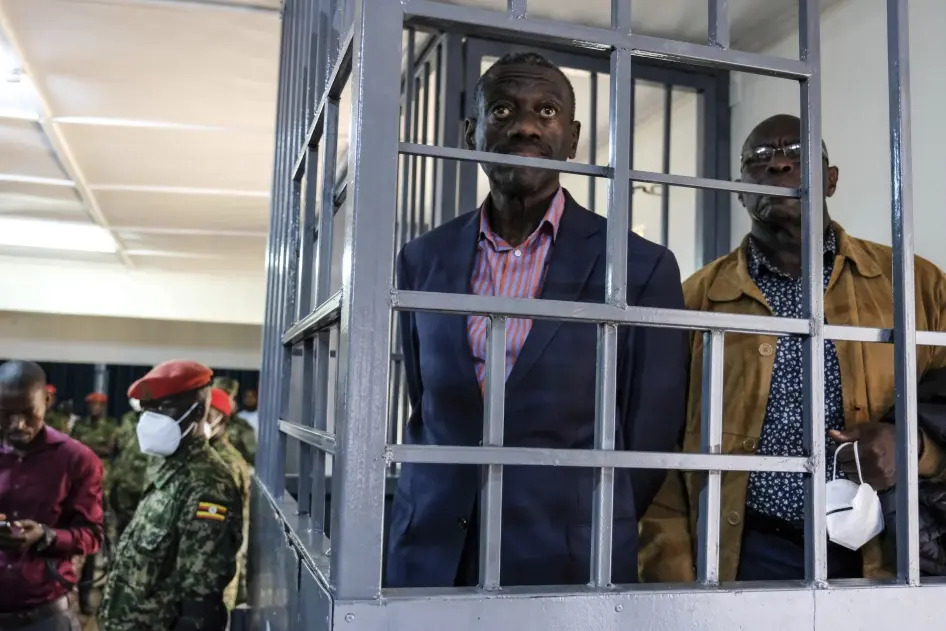
Once a physician to President Yoweri Museveni and later his fiercest critic, Besigye has been arrested over 40 times, tear-gassed, humiliated, and detained without trial
By Sande Evan Ndahura
The Price of Dissent
Across Africa, opposition politics has become a perilous pursuit. In societies where the ballot is often weaker than the bullet, to oppose those in power is not merely an act of courage — it is an act of survival.
Opposition leaders are routinely arrested, beaten, exiled, or worse — erased from public memory through intimidation or violence. In Uganda, for instance, the name Dr. Kizza Besigye evokes both admiration and sorrow. Once a physician to President Yoweri Museveni and later his fiercest critic, Besigye has been arrested over 40 times, tear-gassed, humiliated, and detained without trial. Yet despite years of repression, his resilience has come to symbolize the struggle for democracy itself.
“When the law becomes a weapon against the people, resistance becomes a duty,” Dr. Besigye once remarked during a press conference after one of his numerous arrests.
The African Paradox
In most African nations, the state machinery, from the police to the judiciary, often serves not the constitution, but the regime. Laws are crafted and executed not for equality, but for the protection of the powerful.
To oppose a sitting government in Africa is like trying to wrestle a lion in its own den — both the arena and the referee belong to the lion.The late Nelson Mandela, who spent 27 years behind bars on Robben Island, once said: “It is said that no one truly knows a nation until one has been inside its jails.”
In that one line, he revealed the fate of every African dissenter — that prisons have become classrooms for democracy, and torture chambers the price of reform. From Zimbabwe’s Morgan Tsvangirai, who was beaten into a coma for opposing Robert Mugabe, to Raila Odinga of Kenya, who faced detention without trial for years under Daniel arap Moi’s regime, the African opposition leader is often treated as an enemy of the state rather than a voice of the people.
The Young and the Restless
It is the youth who often bear the brunt. Inspired by revolutionary rhetoric, many young men and women join opposition causes with passion, and pay dearly. Some vanish in custody; others languish in prisons without charge.
In Uganda’s recent years, many young supporters of Robert Kyagulanyi (Bobi Wine) have been imprisoned, abducted, or killed. What began as a youthful call for People Power soon became a battlefield between idealism and brute force.
Tragically, the young discover too late that political courage without protection is a funeral rehearsal.
As the late Congolese leader Patrice Lumumba warned, “Without dignity there is no liberty, without justice there is no dignity, and without independence there are no free men.”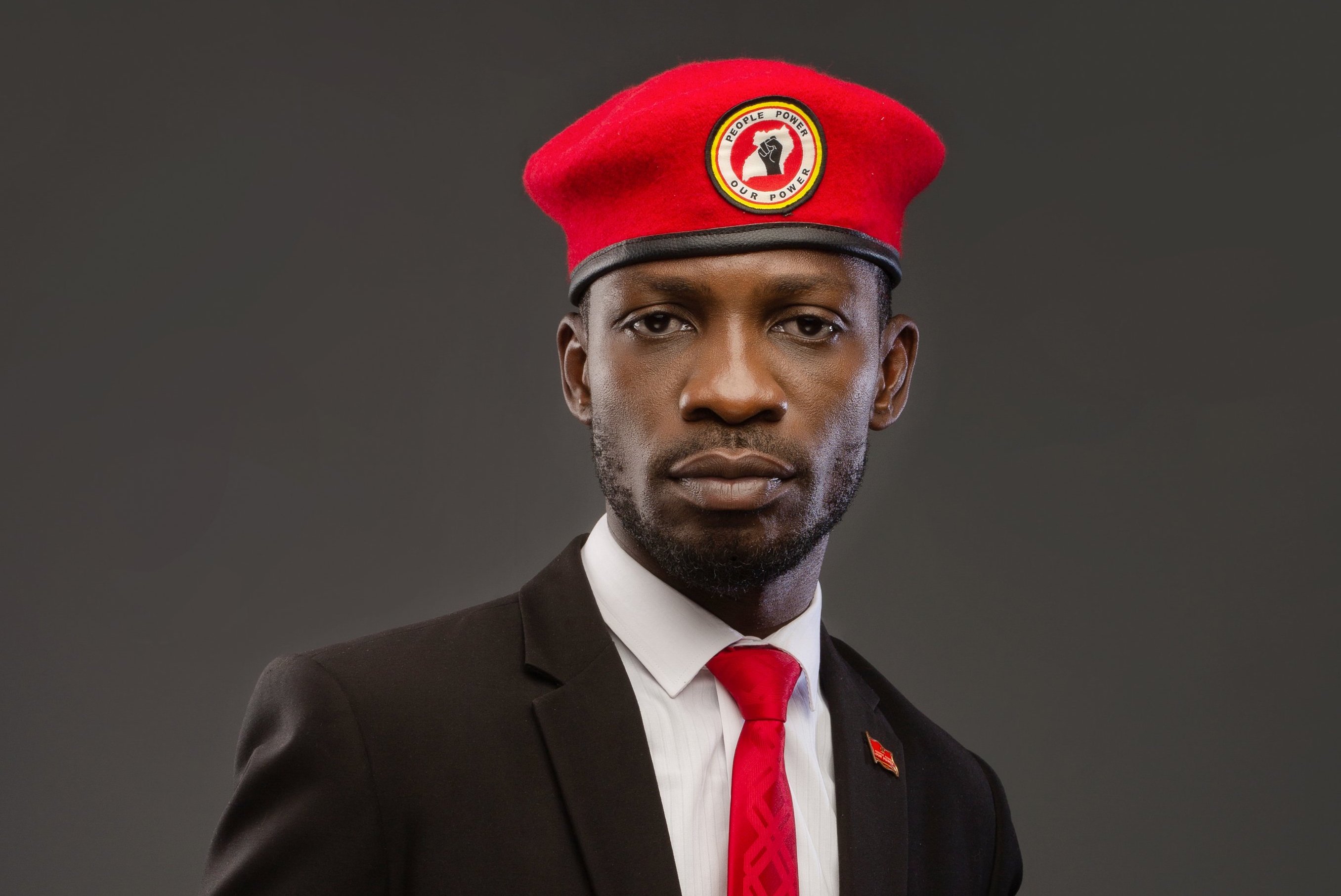
Robert Kyagulanyi
The Ten-Tenth Law of Power
Winning an election or a rebellion in Africa is often “one-tenth of the law,” as your own reflection wisely notes.
The remaining “nine-tenths” lie in controlling the army, the police, the courts, and the narrative — all of which belong to the one in power.
Even when opposition parties score victories at the ballot, they often find themselves suffocated by bureaucratic sabotage, judicial reversals, or electoral commissions that answer to the ruling elite.
In countries like Nigeria, opposition leaders face strategic co-option drawn into power-sharing arrangements that silence dissent. In Rwanda, opposition figures like Victoire Ingabire spent years in jail merely for questioning official history.
The International Lens
In the global arena, African opposition struggles rarely receive sustained international attention unless violence erupts. Foreign powers, too, are selective, often prioritizing stability over freedom.
This leaves opposition leaders with little support, facing regimes equipped not only with weapons but also with well-oiled propaganda machines.
As Thomas Sankara once said, “While revolutionaries as individuals can be murdered, you cannot kill ideas.”
And yet, the graves of Africa’s brave are filled with men and women whose ideas never got the chance to bloom.
Towards a Safer Struggle
Opposition politics in Africa must evolve from mere confrontation to strategic endurance. The modern reformer must learn to protect life as a sacred weapon — to educate citizens, build alliances with the middle class, and cultivate international solidarity. A dead leader inspires songs; a living one builds institutions.
It is therefore not cowardice, but wisdom, to live long enough to see the fruits of the struggle. For indeed, the dead do not wear a crown.
Conclusion
The African struggle for democracy continues — often fought in courts, streets, and hearts. But the lesson remains eternal:
To change the system, one must outlive it.
And to outlive it, one must first value life over martyrdom.
“Courage is not the absence of fear, but the triumph over it.” — Nelson Mandela
Torch Media Africa



