Should I forgive my siblings?
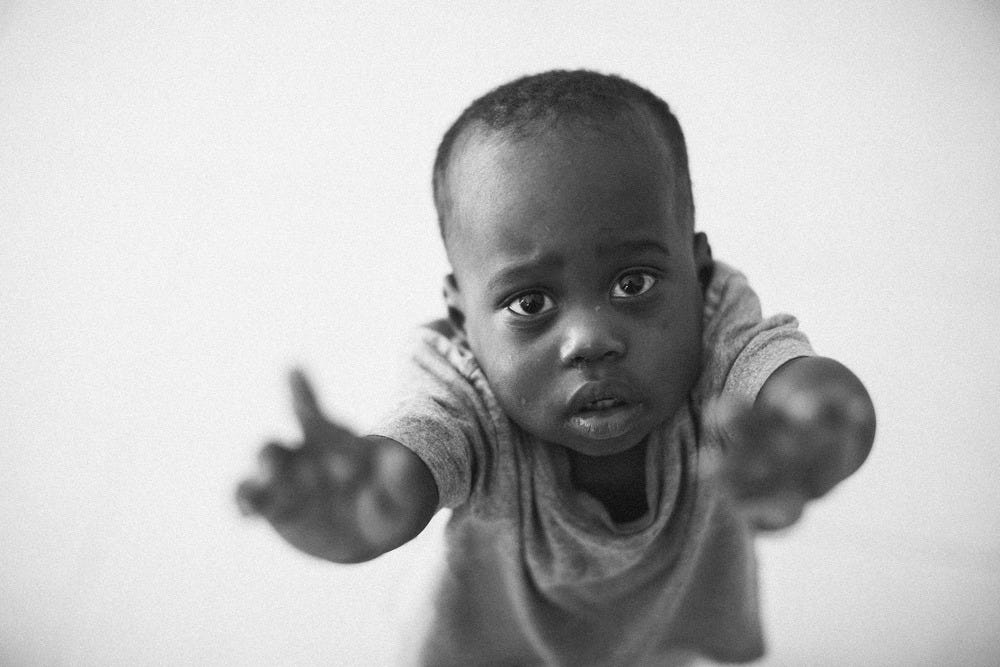
At three years old, she was too young to understand why her mother disappeared. Too young to understand why home suddenly became a series of unfamiliar houses, temporary beds, hostile relatives, hunger, beatings, and fear. Like many abandoned children, she grew up holding onto a quiet hope — the belief that perhaps her mother had left only temporarily, that somewhere out there she was working hard and would eventually return.
She never did. Instead, childhood became survival. She moved from one relative’s home to another, enduring severe mistreatment, physical violence, and eventually sexual abuse. Education became inconsistent. Stability became impossible. While many of her age mates progressed to university and adulthood with family support systems around them, she says neither side of her family truly checked on her.
“I kept thinking maybe one day she would come back,” she says.
Then came the message that changed everything.
A random direct message from someone claiming to be family revealed what she describes as the most painful discovery of all: her mother had built another family. Not years later. Not after circumstances improved.
But only a few years after leaving. The woman had raised three other daughters, giving them what she says she spent her life wishing for — stable homes, vacations, good schools, private university education, family photographs, birthdays, and childhood memories.
Now, one of the siblings wants to reconnect.
But for the survivor, the emotional shock has triggered a severe health crisis and renewed questions that millions of abandoned children ask themselves:
Why do parents abandon their children?
Abandonment Leaves More Than Physical Absence
Psychologists often describe parental abandonment as one of the deepest forms of childhood trauma because it attacks something fundamental: a child’s understanding of love, safety, and self-worth.
Children who experience abandonment frequently report struggling with trust, relationships, identity, depression, anxiety, or feelings of rejection long into adulthood. And while abandonment is often discussed as a single event, survivors describe it differently.
“It never ends,” says another woman who shared a similar story.
She says she was abandoned by her mother at only three months old and raised by her grandmother until she died during her teenage years.
“My mother never even looked for me,” she says.
Years later, when she eventually tracked her mother down herself, she discovered something painful.
“She didn’t fail to find me. She simply never wanted to.”
Even after reconnecting, she says the relationship remained distant and transactional.
“I accepted that she never loved me. That acceptance saved me.”
The Complicated Truth Behind Family Separation
Yet family separation stories are rarely simple.
Some children are abandoned because of poverty.
Others because of domestic violence.
Some because of toxic relationships, forced marriages, migration, mental illness, addiction, or family interference.
In some cases, relatives prevent access. In others, parents willingly disappear. And sometimes, children grow up hearing only one side of events.
Several people reacting to these stories argue that adult children sometimes discover decades later that the narrative they grew up believing was incomplete. Some say grandparents blocked contact. Others say stepfamilies created barriers. Others maintain that some parents simply chose to leave. The problem, many observers note, is that children pay the price regardless.
Should Survivors Reconnect?
Experts often caution against simplistic advice. Forgiveness does not automatically require reconciliation. Boundaries are not cruelty. And reconnecting with biological relatives is not always emotionally safe.
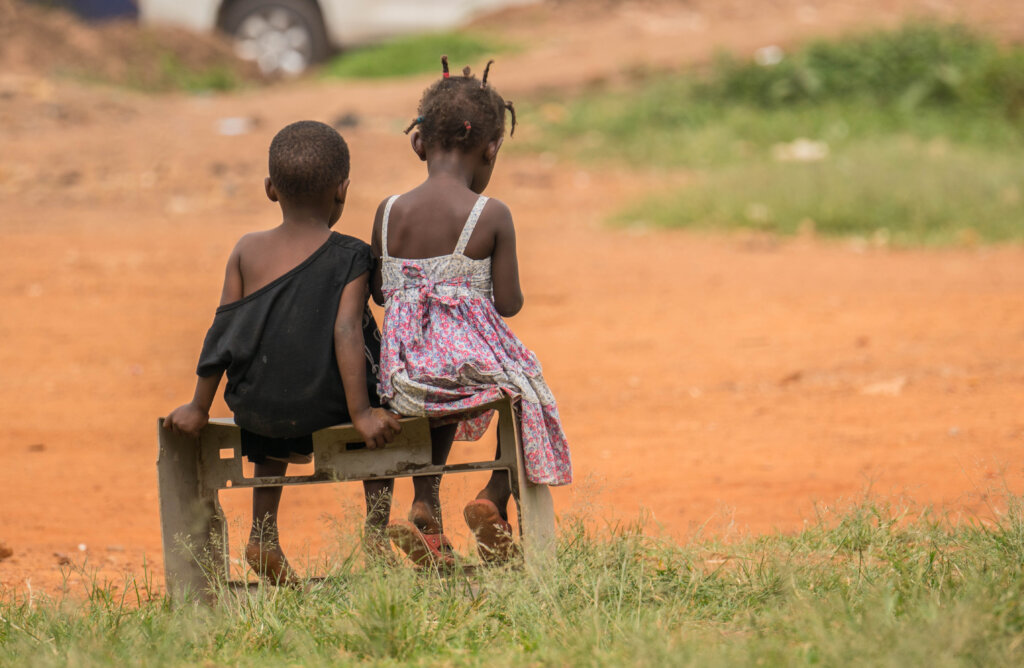
Many survivors choose distance. Others choose limited contact. Some reconnect and rebuild. Some never do.
One survivor offers cautious advice: “If the siblings grew up loved and protected, they may never fully understand the trauma. Sometimes protecting your peace is necessary.”
Healing Without Answers
Perhaps the hardest reality for abandoned children is that many never receive explanations. Some parents deny responsibility. Some avoid difficult conversations. Some die before reconciliation becomes possible. Others return expecting immediate forgiveness.
For many survivors, healing eventually becomes less about receiving answers and more about reclaiming control.
Because while abandoned children do not choose what happened to them, adulthood often becomes the place where they must decide what happens next. The scars may remain.
But survival itself becomes its own form of resistance. And for many children left behind, simply continuing to build a life after abandonment is already an extraordinary achievement.
Torch Media Africa
Published By | Features Editor