Written By |
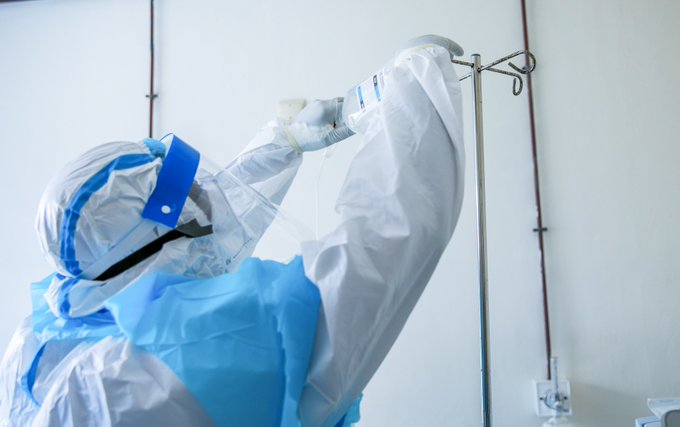
ver the past two to three decades, zoonotic diseases caused by viral pathogens have significantly impacted global health, resulting in widespread illness, death, and economic losses (Courtersy Photo)
As the world grapples with the aftermath of COVID-19 and Marburg Virus Disease (MVD), scientists are raising alarms over the increasing threat of zoonotic diseases—infections that jump from animals to humans. Human activities and climate change are accelerating the spread of these diseases, leading to serious health, economic, and social consequences. Over the past two to three decades, zoonotic diseases caused by viral pathogens have significantly impacted global health, resulting in widespread illness, death, and economic losses.
Dr. Laurien Ntamugabumwe, Director of Research at the Rwanda Veterinary Council, highlights that human activities, particularly agriculture, have brought humans into closer contact with animals, facilitating the transmission of zoonotic diseases.
“About 75% of emerging infectious diseases are zoonotic,” she explains. “Habitat destruction forces animals into new areas, creating interactions between species that would not typically meet.”
Leandre Ishema, a Health Specialist at the Rwanda Biomedical Center, underscores the interconnectedness of human, animal, and environmental health in the spread of zoonoses.
“Animal reservoirs continuously transmit infections to humans, both directly and indirectly,” he says, stressing the importance of safety precautions and timely medical attention to mitigate risks.
“Zoonotic diseases are on the rise due to environmental, social, and biological factors, necessitating a collaborative approach for prevention, detection, and response,” he adds.
Strategies for prevention
Fabrice Ndayisenga, Head of the Department of Animal Resources Research at the Rwanda Agriculture and Animal Resources Development Board (RAB), emphasizes that viruses transmitted between animals and humans can cause illnesses ranging from mild to severe, sometimes resulting in death.
To combat this, Rwanda has deployed veterinarians at the sector level to provide vaccinations and treat diseases promptly. “People should not worry. All medicines and services are free of charge,” he says. “If your animal falls ill, it is considered a national threat, and the government steps in to manage it.”
Ndayisenga also notes that Rwanda prioritizes public awareness, helping citizens understand the risks of zoonotic diseases in both wild and domestic animals, including pets like cats and dogs, which can carry rabies. The government has simplified the process of reporting sick animals, enabling quick responses to potential threats.
Strengthening surveillance
Dr. Ntamugabumwe emphasizes the importance of robust early warning systems to monitor wildlife and domestic animals for potential outbreaks like Ebola, COVID-19, and Marburg.
“Effective control of zoonotic diseases requires closely monitoring wildlife and domestic animal movements and detecting diseases early,” she explains. “With many Rwandans keeping domestic animals, improving veterinary services is critical. Veterinarians play a key role in strengthening sustainable animal disease surveillance systems.” Farmers like Emmanuel Nkurunziza, from Karongi District, attest to the benefits of veterinary services. “Whenever my cows fall sick, I quickly contact a veterinarian. This ensures timely care and minimizes the risk of disease spreading,” he says.
Wildlife monitoring
Akagera National Park management reports that proactive measures are in place to reduce the risk of disease transmission between humans and animals.
Visitors are required to remain inside vehicles, avoid close contact with animals, and are prohibited from feeding them. “We have researchers continuously monitoring and diagnosing potential diseases among animals,” a park representative explains. “Early detection allows us to treat affected animals promptly, reducing the risk of outbreaks and ensuring the well-being of our diverse wildlife populations.”
Positive updates on virus containment
According to the Rwanda Biomedical Center’s (RBC) latest update, Rwanda has gone 35 days without recording any new virus cases. Additionally, it has been 29 days since the last Marburg patient was discharged. Routine surveillance and follow-ups for recovered MVD cases are ongoing.
As Rwanda strengthens its collaborative approach to zoonotic disease prevention and control, the country serves as an example of the critical role human, animal, and environmental health partnerships play in global health security.
Source: The New Times
https://ow.ly/p5UI50Ut5tM



