Written By | Health News Agencies
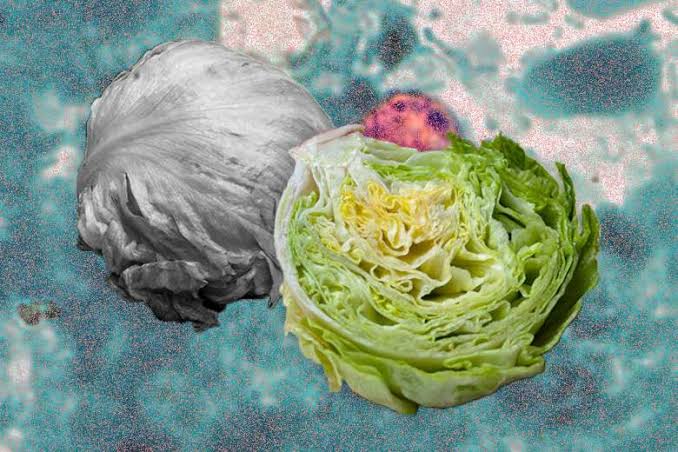
A microscopic bug hiding in shredded lettuce has infected more than 22,000 Americans across 47 states, killed two people, and exposed a hole in the food safety net nobody saw coming.
Health
It started, as so many kitchen-table nightmares do, with a Taco Bell order. A crunchy taco, a side of nacho fries, a handful of shredded iceberg lettuce piled on top. Days later, the stomach cramps hit. Then the diarrhea — the kind the CDC delicately describes as "frequent and sometimes explosive." Then it wouldn't stop. Not for one day, not for a week, but for as long as two months for some victims.
Multiply that story by more than 22,000, spread it across 47 states, and you have what health officials are now calling the largest cyclosporiasis outbreak ever recorded in the United States — a runaway public health crisis traced back to something as ordinary as a bag of shredded lettuce.
As of this week, the Centers for Disease Control and Prevention has confirmed 10,468 laboratory-verified cases and is investigating another 12,255 probable ones, with 517 people hospitalized and two dead in Michigan. And the number keeps climbing — CDC's own Health Alert Network notice warned that this year's domestically acquired case count is outpacing 2025's by more than six to one.
"We have never seen anything like this," one food-safety investigator told reporters as the case count blew past 18,000 in late July, a threshold that already made this the biggest Cyclospora event on record before the tally kept rising into the twenty-thousands.
The Parasite You Can't See, Can't Taste, Can't Smell
Cyclospora cayetanensis is not a bacterium and not a virus — it's a single-celled parasite so small it can only be seen under a microscope, and it takes up residence in the human small intestine after being swallowed in contaminated food or water. There's no vaccine. There's no way to tell it's on your produce by looking at it, smelling it, or even rinsing it off, because the oocysts (the parasite's hardy, egg-like survival form) cling to leafy greens with a tenacity that makes thorough washing nearly useless once contamination has occurred.
Once inside the gut, Cyclospora sets off a wave of misery: watery diarrhea, loss of appetite, weight loss, cramping, bloating, increased gas, nausea, fatigue, and — cruelest of all — a tendency to relapse days or weeks after a person starts feeling better, if it isn't properly treated with the antibiotic combination trimethoprim-sulfamethoxazole. Left untreated, symptoms can drag on for months.
This year's nightmare traces back to iceberg lettuce grown in central Mexico and processed by Taylor Farms, one of the largest fresh-cut produce suppliers in North America. On July 17, Taylor Fresh Foods issued a sweeping recall of iceberg lettuce sourced from that region, after investigators — combing through interviews with sick patients — found a common thread: shredded lettuce, frequently eaten at fast-food chains including Taco Bell, and sold under private labels including Walmart's Marketside brand.
The recalled lettuce didn't stay in one place. According to FDA and CDC tracebacks, it moved through a sprawling distribution web that touched Walmart, Jack in the Box, food service giant Sysco, and other distributors across 27 to 28 states — meaning a single contaminated field, half a world away from most of the people who got sick, could seed a genuinely nationwide outbreak within weeks.
A Death Toll That Keeps Climbing, And A State At The Epicenter
Michigan has borne the worst of it. State health officials there have logged more than 11,500 cases since May 1 — over half of the entire outbreak's confirmed and probable case count nationwide — with a particularly intense cluster spreading across Michigan, Ohio, West Virginia, and Kentucky that investigators believe shares a common food source. Both of the outbreak's confirmed deaths occurred in Michigan, reported by the CDC on August 3.
The numbers have moved so fast that they've been almost impossible to pin down in real time. In mid-July, the running total stood around 1,645 cases in 34 states. Within days it was 6,358 across 15 states. By August 4, reports showed an expansion to at least 15 states with case counts racing past 18,000. Today, the CDC's tally sits at nearly 23,000 confirmed and probable illnesses in 47 states — meaning that in the space of about three weeks, the outbreak grew more than tenfold.
Unlike a bacterial outbreak like Salmonella or E. coli, which typically peaks and fades within days to a couple of weeks, Cyclospora infections often don't show symptoms until one to two weeks after exposure, and the parasite's incubation quirks mean new cases can keep surfacing long after contaminated product has been pulled from shelves — which helps explain why this outbreak has had such stubborn staying power.
Why This One Is Different
Cyclosporiasis outbreaks aren't new to the U.S. — cases tend to cluster every summer, often tied to imported fresh herbs and produce. But food safety veterans say the scale of the 2026 event marks a genuine escalation. Comparing this year's numbers to history, the CDC's own Health Alert Network notice flagged that domestically acquired cases are running more than six times ahead of last year's pace — a jump large enough to prompt the rare step of a formal HAN alert instructing doctors nationwide to consider Cyclospora testing for any patient presenting with prolonged, unexplained diarrhea, even outside the parasite's traditional early-summer season.
Part of the challenge, epidemiologists say, is the produce supply chain itself. Fresh iceberg lettuce moves fast — from field to processing plant to distribution center to restaurant tray, often within days — which means a single contamination event at the source can seed illness across dozens of states before anyone even knows there's a problem. By the time health departments start connecting scattered stomach bugs into a single outbreak, the tainted product has often already been consumed by tens of thousands of people.
"Should you still be worried about getting cyclospora?" was the question put to experts as the outbreak dragged into its third month — and the honest answer from food-safety specialists has been a qualified yes, especially for anyone eating shredded lettuce or salad mixes whose growing origin isn't clearly traceable.
What This Means For You
If you've eaten shredded iceberg lettuce from a fast-food restaurant, grocery deli counter, or bagged salad mix in the past several weeks — particularly anything tied to Taylor Farms or its Marketside private label — and you've experienced watery diarrhea lasting more than a few days along with fatigue, cramping, or unexplained weight loss, the CDC's guidance is clear: don't wait it out. Contact your healthcare provider, tell them specifically that you may have been exposed to recalled lettuce, and ask about testing for Cyclospora. Because standard stool tests don't always screen for this parasite by default, specifically flagging your suspicion to your doctor matters — generic treatment for a garden-variety stomach bug won't touch it, but the antibiotic combination that does work is cheap, effective, and can cut short weeks of misery once correctly prescribed.
In the meantime, the CDC's practical advice is blunt: throw out or return any recalled Taylor Farms iceberg lettuce sitting in your fridge, and when in doubt about the origin of shredded lettuce or salad mix at a restaurant or grocery store, ask. Vulnerable groups — including young children, pregnant women, older adults, and anyone with a weakened immune system — should be especially cautious, since they face higher risk of severe dehydration and complications from a prolonged bout of untreated cyclosporiasis.
Washing produce at home remains good general practice, but food-safety experts are candid that it isn't a reliable defense against Cyclospora specifically — the parasite's oocysts are sticky and can survive standard rinsing, which is exactly why traceability and recalls, not your kitchen sink, are doing the heavy lifting in stopping this outbreak.
The Bigger Picture
Beyond the individual health toll, this outbreak has reignited a long-simmering debate over the safety of the fresh produce supply chain, especially imported leafy greens grown in regions with less consistent water-quality oversight than U.S. farms. Cyclospora has a well-documented history of hitching a ride on imported herbs like cilantro and basil, as well as on fresh berries — but an outbreak of this magnitude tied to a lettuce staple served at one of the country's biggest fast-food chains is forcing regulators to take a harder look at how quickly contaminated product can reach dinner tables nationwide before anyone notices a pattern.
FDA and CDC investigators say the traceback effort — interviewing thousands of sick patients about what they ate and where, then working backward through supplier records — is what ultimately identified Taylor Farms' central Mexico-sourced iceberg lettuce as the common thread. It's a process that, however effective, inherently lags weeks behind the outbreak itself, which is part of why case counts kept multiplying even after the initial recall was announced in mid-July.
The Bottom Line
Nearly 23,000 sick, hundreds hospitalized, two dead, and a recall that reached supermarkets and drive-throughs in almost every corner of the country — the 2026 cyclosporiasis outbreak has become a grim case study in how a single contaminated crop, half a continent away, can turn a routine lunch order into a public health emergency. Health officials say the outbreak appears to be slowing as recalled product works its way out of the supply chain, but with new probable cases still being logged and the CDC actively urging doctors to keep testing, this is one summer stomach bug that isn't finished yet. If your gut has been off for more than a few days and lettuce was anywhere near your plate recently, don't shrug it off — call your doctor and say the word "cyclospora" out loud.



