Written By | Joshua Nahamya
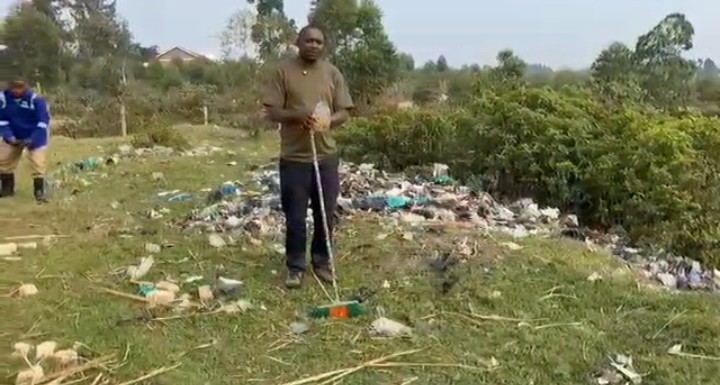
Prosper Tumwebaze, collecting plastics at Bushenyi district stadium
MBARARA
Residents, medical personnel, security agencies, and business owners across Mbarara City and the broader Rwizi Region closed down their businesses and turned out in large numbers to participate in the mandatory National Cleaning Day exercise, marking a successful start to the nationwide sanitation drive.
According to SP Samson Kasasira, the Rwizi Regional Police Spokesperson, the three-hour exercise—which ran from 7:00 AM to 10:00 AM across villages, town councils, municipalities, and city divisions—focused on cleaning residential areas, public markets, school compounds, health centres, urban streets, and blocked drainage channels.
Kasasira confirmed that the exercise concluded smoothly with high rates of public compliance and no major incidents reported across the region's transit and commercial hubs. Similar high turnouts were recorded across neighbouring districts, including Bushenyi, Buhweju, and Mitooma, where community members halted routine activities to clean their immediate surroundings.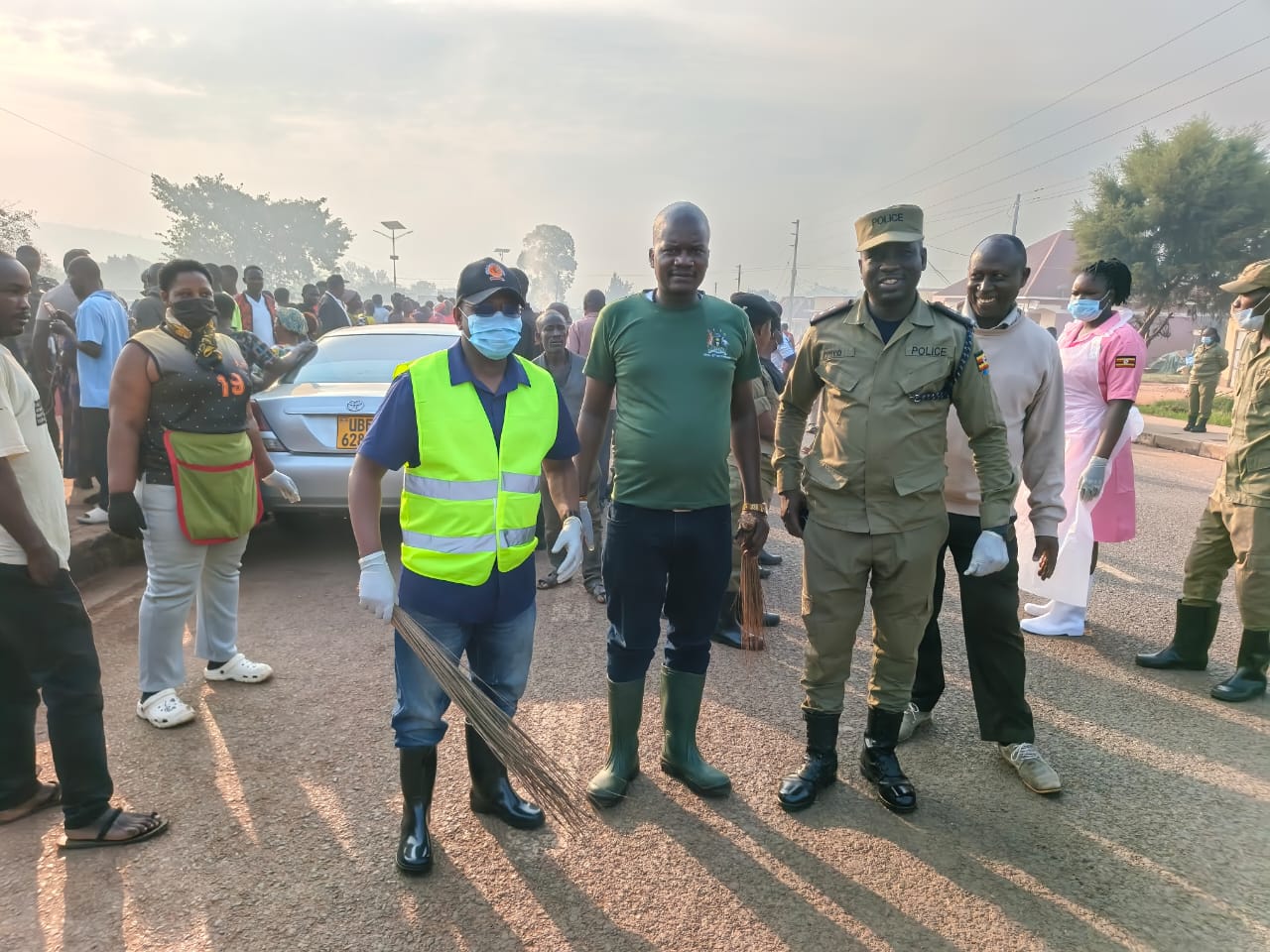
Police officers happily cleaning the streets of Mbarara town
Commending the initiative, the Bushenyi District Chairperson (LC V), Prosper Twebaze, expressed appreciation for the government's decision to institute a monthly national cleaning day, held on the last Saturday of every month in line with guidelines issued by Prime Minister Robinah Nabbanja.
"I am happy today that the government has launched this campaign to keep our living and working spaces clean, and I request the people of Bushenyi and the entire country to fully embrace it," Twebaze stated while joining local residents in the cleanup. "What I am holding right now are plastic wastes collected from Bushenyi Main Stadium, located in the heart of Bushenyi-Ishaka Municipality—our district's premier sporting facility."
Holding up discarded polythene bags and plastic bottles, Twebaze identified non-biodegradable waste as the single most critical environmental threat facing Ugandan communities today, urging Parliament and cabinet ministers to formulate a comprehensive national disposal and management policy.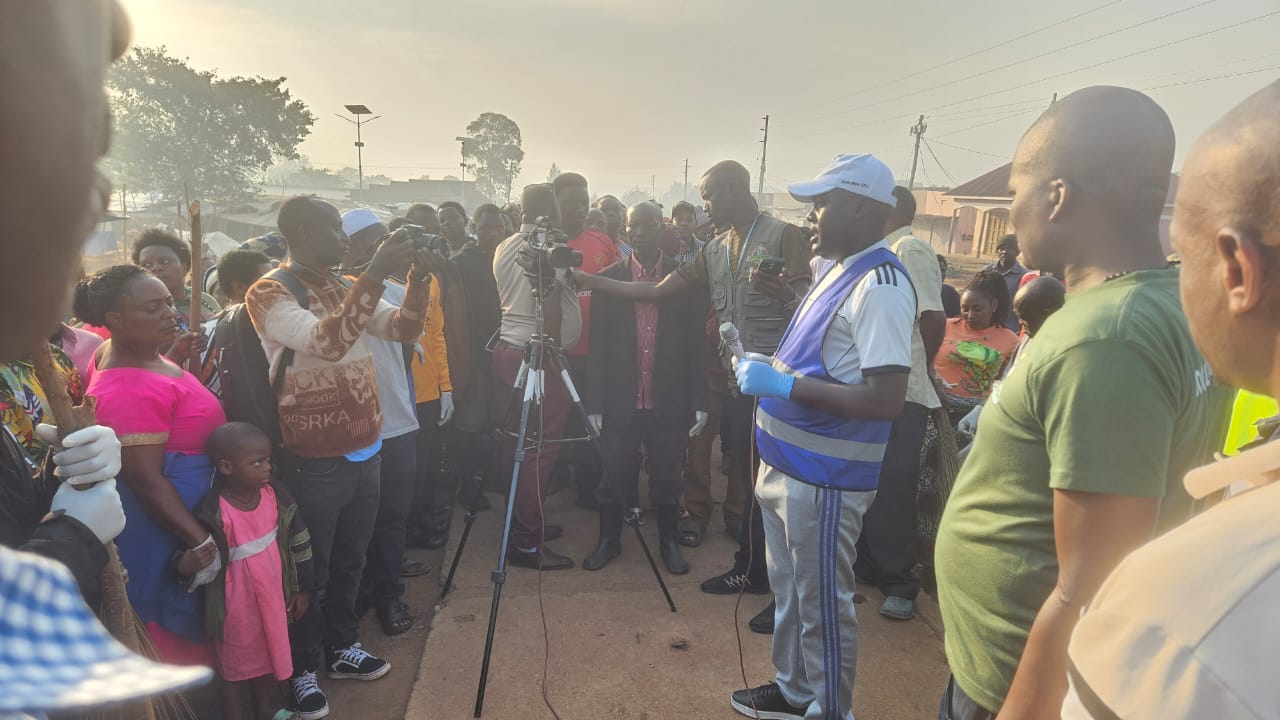
Locals and business community in Mbarara get prepare for the National Cleaning Day
"Plastic waste does not easily decompose and poses a grave danger to our surroundings," Twebaze explained. "Uganda produces approximately 600 metric tons of plastic daily—amounting to nearly 219,000 metric tons annually—yet we lack a structured national disposal policy that mandates centralized collection, recycling, or safe processing. People currently dump plastic wherever they choose, which has been deeply troubling to us as local leaders because these materials block waterways and degrade our land."
The LC V Chairperson noted that municipal authorities, town councils, and sub-county administrations are overwhelmed by the sheer volume of uncollected garbage, which far exceeds local financial and logistical capacities.
"Garbage generation has outstripped the collection capacity of our local governments," Twebaze noted. "While the government has taken a great step with this sanitation campaign, it must be supported by legislation that specifically addresses plastic disposal. Uncontrolled plastics disrupt soil fertility, contaminate water bodies, reduce crop yields, and ultimately trigger food insecurity and prolonged drought conditions."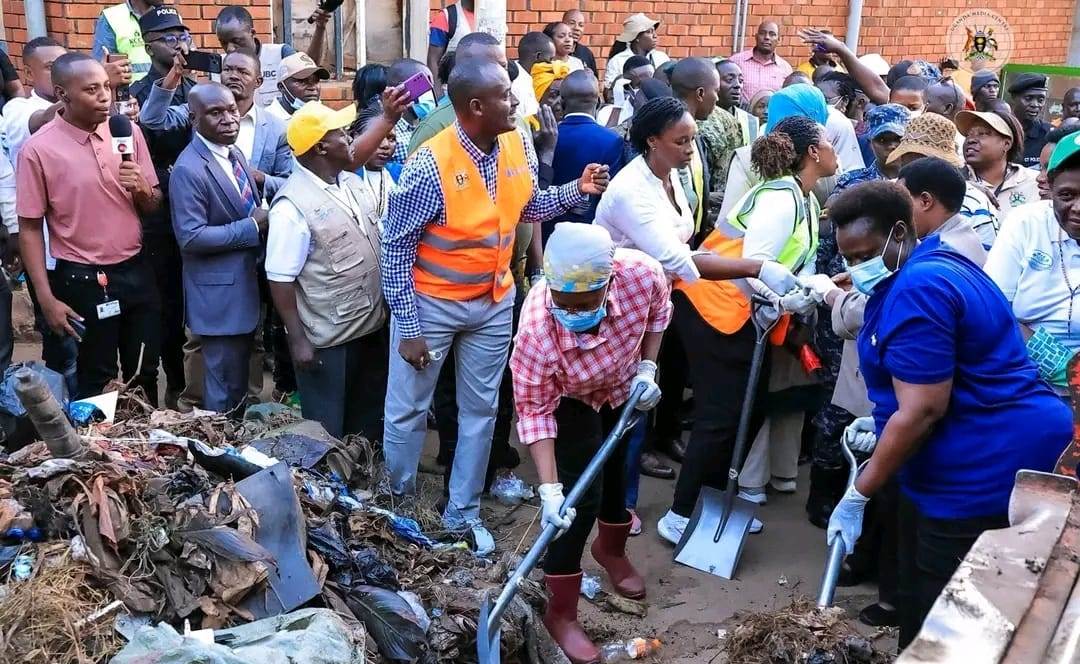
H.E. Vice President Jessica Alupo has also today morning joined the locals to Clean Kisenyi Kampala city in the National Cleaning Day underway on Saturday
Twebaze further highlighted the public health benefits of sustained sanitation efforts, emphasizing that keeping urban centres and homesteads clean serves as a crucial line of defence against non-communicable diseases and vector-borne infections.
"If we clean our surroundings and maintain strict sanitation, we can prevent many avoidable illnesses," Twebaze said. "When plastics degrade over time, they break down into microplastics and microscopic nanoplastics, which enter our water systems and food chain, eventually causing severe long-term health conditions like cancer. Observing proper hygiene will significantly reduce the burden on our health facilities, shifting our healthcare focus toward preventive wellness and ensuring our medical systems function effectively."



