Written By |
Critics of Trump’s directive point out that USAID’s structure is protected by law
By Bosco Bakwatanisa Muto
When President Donald Trump announced his directive to restructure and potentially dismantle the United States Agency for International Development (USAID), reactions worldwide ranged from shock to deep concern. For decades, USAID has played a crucial role in supporting health initiatives, disaster relief, economic development, and infrastructure projects in some of the world’s most vulnerable regions. Experts warn that the consequences of this shift are already being felt, with severe economic, political, and humanitarian repercussions for developing countries.
Immediate disruptions to humanitarian programs
The impact of this policy change is already evident in communities that depend on USAID-funded initiatives for basic survival. In sub-Saharan Africa, health programs that were once lifelines for people living with HIV/AIDS have come to a grinding halt. Clinics that used to distribute antiretroviral medications to thousands of patients now face shortages, threatening to undo years of progress in managing the epidemic. Countries such as Nigeria, Uganda, and South Africa—where USAID has played an instrumental role in health interventions—are grappling with uncertainty as millions wonder whether their next dose of life-saving medicine will arrive.
Similarly, malaria prevention efforts in Ghana and Kenya have been disrupted, with critical supplies of insecticide-treated nets and anti-malarial drugs caught in logistical limbo. In Myanmar, ongoing food security programs face suspension, potentially worsening famine-like conditions. Haiti, which heavily relies on U.S. aid for public health support, is experiencing a crisis in its HIV treatment programs, with stockpiles of essential drugs rapidly dwindling.
Although emergency waivers have been granted for "life-saving" programs, logistical challenges caused by funding uncertainty have crippled their execution. The ripple effect is clear: for millions of people, what was once a predictable support system is now in jeopardy.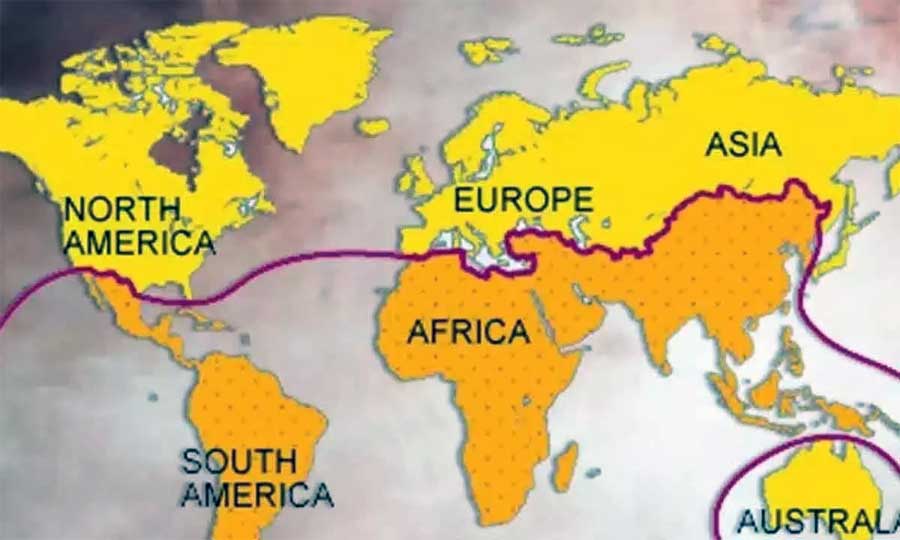
Economic ramifications for developing nations
Beyond the immediate humanitarian concerns, the withdrawal of USAID funding has severe economic implications for developing countries. Many low-income nations rely on U.S. aid to sustain infrastructure projects, education programs, and economic development initiatives. The abrupt cessation of these funds threatens to destabilize economies, exacerbate poverty, and restrict access to essential services.
In South America, countries such as Colombia, Brazil, and Peru have long benefited from USAID-backed initiatives focusing on economic growth, humanitarian assistance, and environmental conservation. With these projects at risk of being defunded, vulnerable populations could face devastating consequences. Small businesses that rely on USAID-supported microfinancing programs may struggle to stay afloat, while environmental conservation efforts—particularly those aimed at combating deforestation—could suffer major setbacks.
Additionally, agricultural development programs across Africa and Asia, which help farmers improve productivity and food security, are now in limbo. Without these investments, food prices are likely to rise, and communities once on the path toward self-sufficiency may slide back into poverty.
Geopolitical Consequences: The rise of alternative influences
Analysts warn that the U.S. withdrawal from international aid will not only harm recipient nations but also diminish America’s global influence. In recent years, China has been expanding its presence in developing countries through foreign aid and infrastructure projects, often structured as loans under the Belt and Road Initiative (BRI). With USAID’s retreat, China is expected to fill the gap, further strengthening its geopolitical reach.
The consequences of this shift are complex. While China’s development assistance brings much-needed investment, it also raises concerns about governance, accountability, and debt dependency. Unlike USAID, which emphasizes democratic governance, human rights, and long-term sustainability, China’s approach often prioritizes infrastructure investments with fewer conditions attached. This shift in influence could reshape the geopolitical landscape, with long-term consequences for U.S. interests abroad.
Former USAID officials argue that by pulling back from international aid, the U.S. is ceding ground to competitors and undermining its diplomatic efforts. Developing nations that once viewed the U.S. as a reliable partner may now turn to other global powers, weakening America’s strategic relationships in key regions.
Expert opinions on the directive
Development economists and foreign policy experts have expressed alarm over the Trump administration’s approach. William Easterly, a prominent economist known for his critiques of foreign aid inefficiencies, warns that abrupt dismantling without a structured transition plan could lead to humanitarian disasters.
"While foreign aid isn’t perfect, the alternative—abandoning these programs without sustainable alternatives—could be catastrophic for millions," he states.
George Ingram, a senior fellow at the Brookings Institution, highlights the dangers of merging USAID into the State Department: "Diplomacy and development require different approaches and expertise. Diplomacy is about government-to-government relations, while development aid is about grassroots engagement and long-term investment in communities. Blurring these lines undermines both missions."
Former USAID administrators have called this decision "one of the most costly foreign policy blunders in U.S. history." They argue that USAID’s work not only benefits recipient nations but also strengthens global stability, ultimately serving U.S. economic and security interests.
Legal and structural concerns
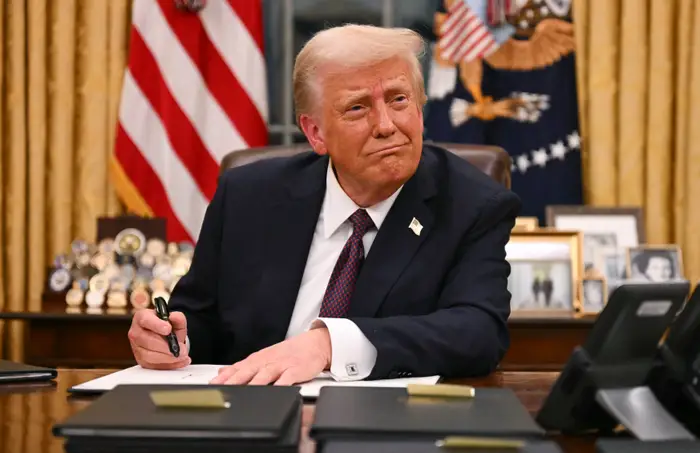
Critics of Trump’s directive point out that USAID’s structure is protected by law. The Foreign Affairs Reform and Restructuring Act of 1998 established the agency as an independent entity, meaning any major restructuring requires Congressional approval. Many lawmakers from both parties have voiced opposition to the directive, arguing that it undermines decades of bipartisan consensus on the importance of international aid.
A future in limbo
The Trump administration’s move to overhaul USAID represents a fundamental shift in U.S. foreign policy. While proponents argue that restructuring foreign aid will improve efficiency and reduce waste, the immediate consequences paint a stark picture of disruption and uncertainty.
For millions in developing countries, the loss of U.S. assistance is not just a bureaucratic change—it is a matter of life and death. As the global development community grapples with these changes, the world watches to see whether the U.S. remains a leader in humanitarian aid or cedes its role to emerging powers.
One thing is certain: the fate of countless lives hangs in the balance.
Torch Media Africa