Written By | Staff Writer
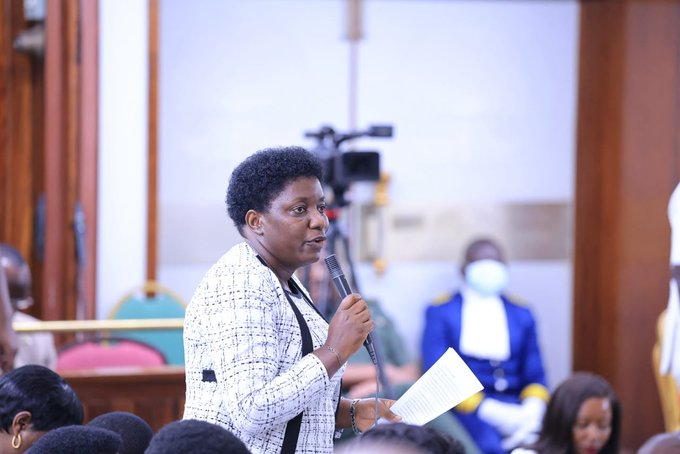
Evelyne Ninsiima Kikafunda urges government action as new study shows Kabale District among Uganda's top five cancer burden hotspots
KAMPALA, Uganda
The newly elected Rubanda District Woman Representative, Hon. Evelyne Ninsiima Kikafunda, has called on the Ugandan government to urgently establish a cancer treatment centre in the Kigezi sub-region, citing alarming statistics that place Kabale District among the five highest cancer burden districts in the country.
The call comes as a comprehensive population-based cancer survey, published in September 2024 in the journal ecancermedicalscience, reveals that Kabale District has a crude cancer incidence rate of 68.1 cases per 100,000 people, surpassed only by Kampala (86.6) and Gulu (73.6). The study, titled "The regional cancer spectrum in Uganda: a population-based cancer survey by sub-regions (2017–2020)," was conducted by researchers from the Uganda Cancer Institute and Gulu Cancer Registry.
'The suffering is immense'
Speaking after being sworn in to the 12th Parliament on May 14, 2026, Kikafunda emphasized that the current healthcare infrastructure in Kigezi is inadequate to handle the growing cancer burden.
"We have many people suffering from cancer in Kigezi, yet patients have to travel to Mulago for treatment. We need a cancer treatment centre in our region to reduce this burden," Kikafunda said.
She noted that families are forced to travel hundreds of kilometers to Kampala or Mbarara for treatment, with many unable to afford the transport costs. "Most of these patients don't even have enough money for their treatment, let alone the transport costs to and from Mbarara," she stated during a previous address in March 2026.
Cancer burden in Kigezi
The survey, which registered 25,576 cancer cases across ten Ugandan sub-regions between 2017 and 2020, identified Kigezi as one of the regions with a distinct cancer profile. According to the findings, esophageal cancer and stomach cancers are emerging as significant health concerns in both males and females in the Kigezi, Rwenzori, and Bugishu sub-regions.
Nationally, the top five female cancers are cervical cancer (43%), breast cancer (22%), esophageal cancer (5.6%), ovarian cancer (5.2%), and Kaposi Sarcoma (4.7%). In males, prostate cancer (25.1%), esophageal cancer (15.1%), Kaposi Sarcoma (12.4%), liver cancer (8.8%), and stomach cancer (4.8%) are most prevalent.
Kikafunda revealed that nearly nine out of every ten calls she receives daily are from individuals seeking assistance for cancer treatment, highlighting the urgent need for accessible services in the region.
National context
Uganda currently has limited cancer treatment facilities, with the Uganda Cancer Institute (UCI) in Mulago handling over 54,000 patients annually, including 35,968 new cases and 24,629 deaths each year. Cancer accounts for approximately 5% of all deaths in Uganda.
In October 2025, Parliament approved government loans totalling approximately US$47 million (sh167.5 billion) to establish regional oncology centres in Mbale and Arua. According to the Ministry of Health, additional plans include a facility in Mbarara.
However, Kikafunda argues that Kigezi has been overlooked in these plans despite its high cancer burden. She has pledged to work closely with government agencies, health stakeholders, and development partners to advocate for the region's inclusion in the national cancer control strategy.
What is needed
A proposed cancer centre in Kigezi would offer screening, imaging, surgery, chemotherapy, and palliative care services, supported by multidisciplinary teams capable of providing individualized treatment plans. Early detection and timely diagnosis would significantly improve survival rates, as cancer-related mortality in Uganda currently stands at 80%, with only 20% of patients surviving.
Kikafunda has also called for stronger national health promotion programs, wider access to cervical and breast cancer screening, and the integration of cancer care into Uganda's essential healthcare packages.
Moving forward
As Kikafunda begins her parliamentary term, she has made the cancer centre a central pillar of her legislative agenda. "We cannot continue losing our people simply because they cannot afford the long journeys to Kampala or Mbarara for cancer treatment. A cancer centre in Kigezi will save lives through early detection, timely diagnosis, and better treatment," she said.
The study's authors emphasized that their findings "emphasize the need for the establishment and support of additional regional PBCRs and periodic population-based cancer surveys to accurately determine the burden of cancer, inform the establishment of regional cancer centers and guide national and sub-national cancer control programs in Uganda".



