MILAN, Italy
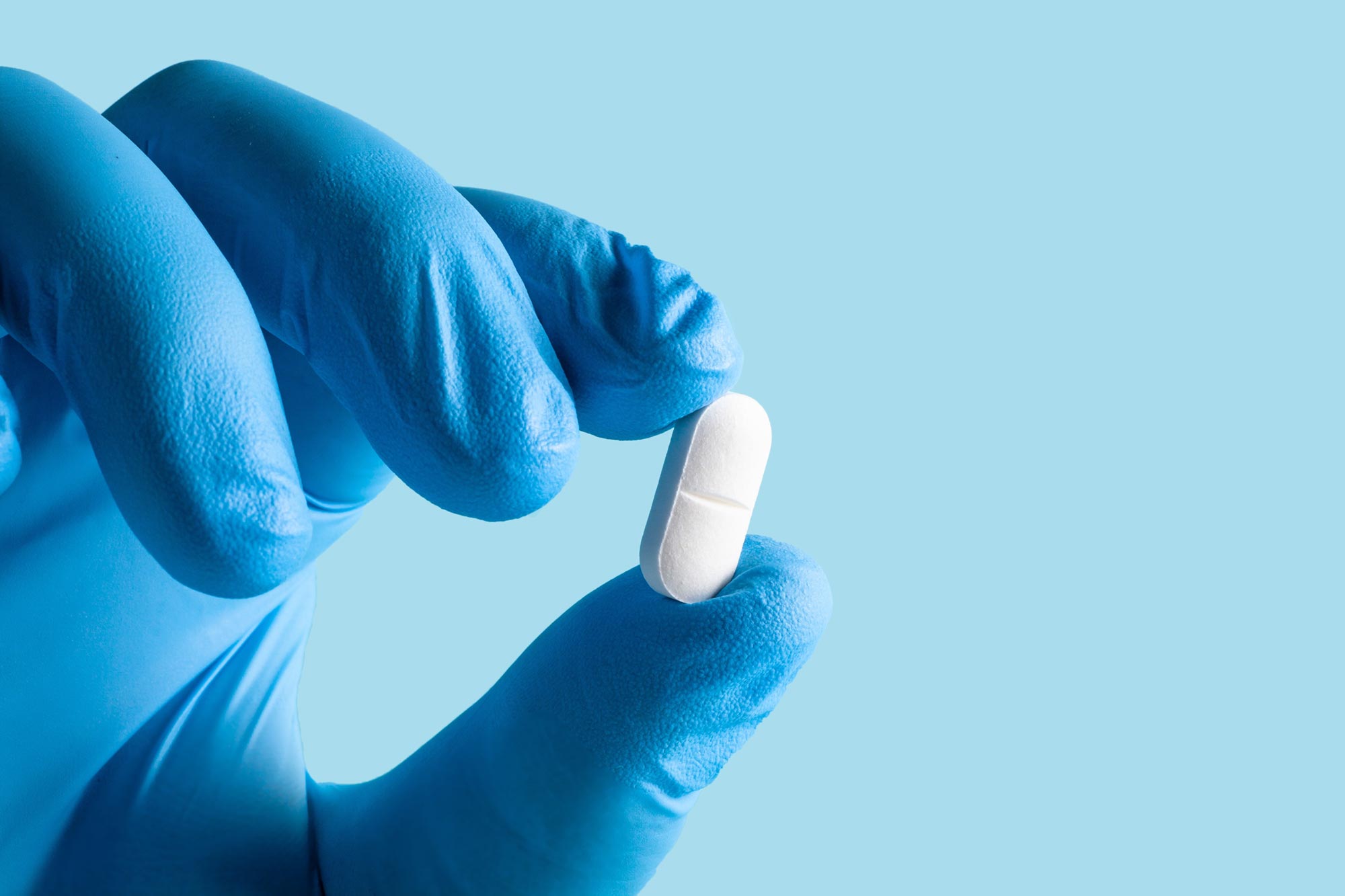
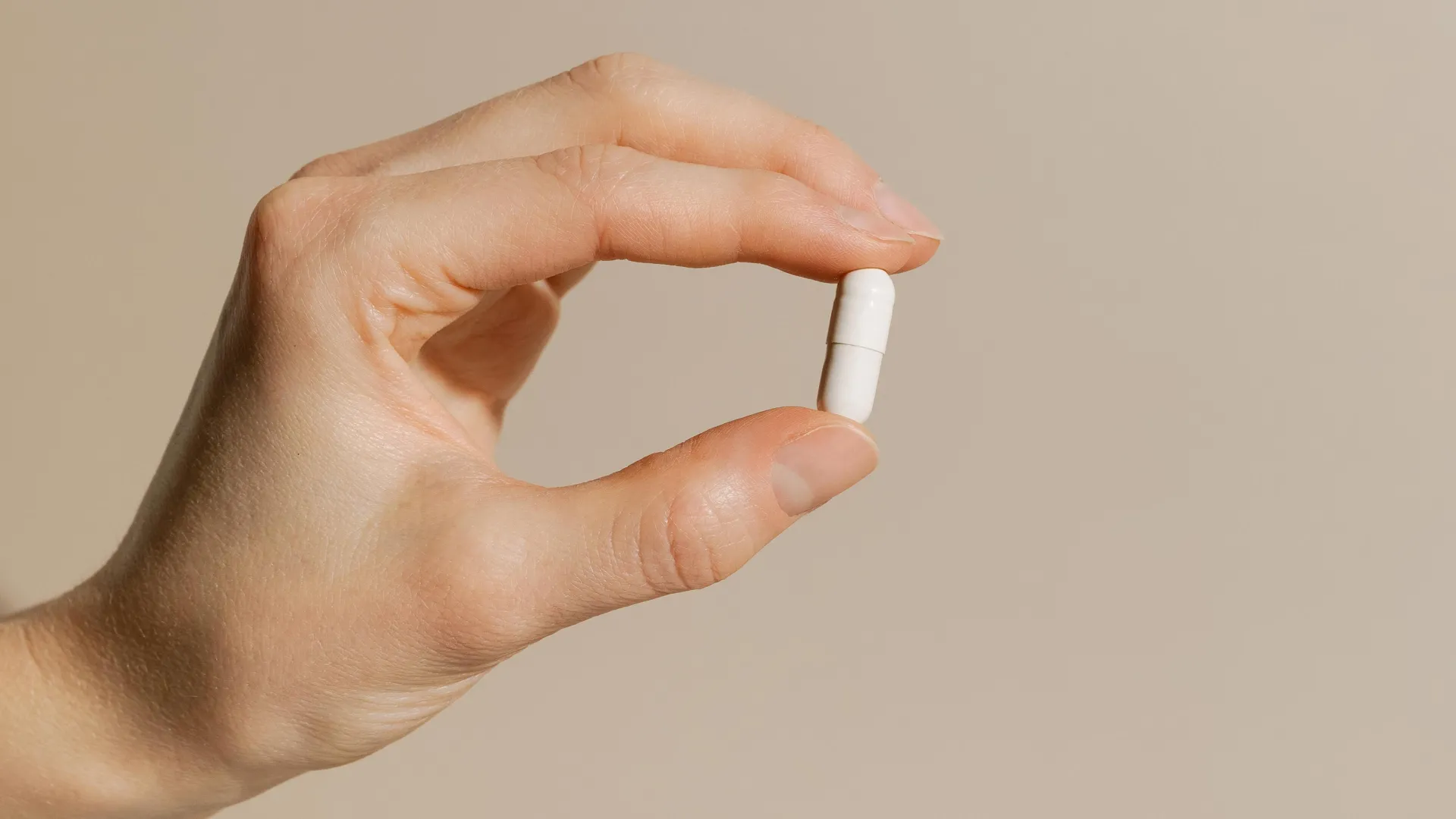
There is no active ingredient. No chemical compound. No molecule built in a lab. Just a small, inert pill—sugar, starch, nothing that should do a single thing to a human body. And yet, in a tightly controlled study out of the Università Cattolica del Sacro Cuore in Milan, dozens of healthy older adults who swallowed that nothing-pill for three weeks walked away with sharper memories, better balance, faster reaction times, and noticeably less stress.
The twist that has researchers reaching for words like "stunning": some of these people were told, point blank, exactly what they were taking. No deception. Just an honest sentence—"this is a placebo, it contains no medicine, but placebos can still trigger real changes"—and the improvements showed up anyway, in some measures even more strongly than in the group that was lied to.
The findings, published in the International Journal of Clinical and Health Psychology, are being called one of the clearest demonstrations yet that the mind has far more leverage over the aging body than most people, doctors included, ever gave it credit for.
The Experiment: Ninety Seniors, Three Groups, One Fake Pill
The study was designed by psychology researcher Diletta Barbiani, working alongside professors Alessandro Antonietti and Francesco Pagnini at the Università Cattolica in Milan.
They recruited 90 healthy community-dwelling adults, all between 65 and 90, none with dementia or major illness. Volunteers were split into three groups.
- Group 1 got nothing—no pill, no ritual—serving as the baseline.
- Group 2 received the classic "deceptive placebo." They were told the pill contained active ingredients clinically shown to improve memory, mood, and physical functioning. It was a lie. The pill was inert.
- Group 3 got the radical version: the open-label placebo. Researchers told them, with full honesty, that the pill had absolutely nothing in it—but explained that the ritual of taking a pill, paired with expectation, can trigger genuine biological responses. Take it anyway, knowing it's fake.
All three groups were tested before and after three weeks using memory tests, attention tasks, physical performance measures (grip strength, balance), plus self-reported stress, well-being, and attitudes toward aging.
The Results That Have Scientists Double-Checking Their Data
Both placebo groups—the deceived and the fully-informed—showed measurable gains over the do-nothing control group. Memory scores ticked up. Selective attention sharpened. On physical performance, the deceptive group improved by roughly 7%, while the open-label group—the one that knew the truth—improved by 9.2%, actually edging out the secretly-dosed group.
That detail is the gut-punch of the whole study. Conventional wisdom about placebos has always rested on deception. Take away the lie, and the logic should collapse. Instead, the group told the unvarnished truth did just as well—arguably better—than the group that was fooled.
The open-label group also reported lower perceived stress than either of the other two groups. These were people who, by their own account, felt calmer and more capable after three weeks of swallowing pills they knew were empty.

Why This Isn't Just a Parlor Trick
Aging is frequently accompanied by a quiet erosion of self-belief—the assumption that memory lapses are inevitable, that physical decline is a one-way street. Prior research, including Yale's long-running work on "age beliefs," has already shown that people with more positive views about aging tend to live longer and stay healthier. This new study adds a mechanism: even a completely transparent, harmless intervention—one that costs almost nothing and carries zero side effects—can nudge the body in a better direction by interrupting that narrative of inevitable decline.
For a healthcare system constantly hunting for ways to support aging populations without piling on more prescriptions and side effects, an "honest placebo" that measurably improves memory and physical function is about as close to a free lunch as clinical science gets.
There's also a quieter implication: if a fake pill, openly labeled as fake, can produce a 9.2% jump in physical performance, then a meaningful chunk of whatever benefit patients report from real interventions—supplements, "brain health" gummies, wellness routines—may be riding on this same expectation effect rather than on any active ingredient at all. The ritual of care, the ceremony of "doing something for your health," carries real measurable weight on its own.
What the Researchers Are Saying
The Milan team frames their findings as part of a deliberate effort to find placebo applications that don't require lying to patients—a genuine ethical sticking point that has limited placebo-based interventions for decades. Doctors can't ethically hand a patient a sugar pill and claim it's a real drug. But an open, honest placebo, described as a tool that "leverages the mind-body connection," sidesteps that problem entirely.
Independent psychologists reviewing the publication have noted that while 90 participants is a modest sample, the rigorous three-arm design is exactly the kind of head-to-head comparison the placebo research field has needed to settle the deception question.
What This Means for You
If you're north of 65—or caring for someone who is—this study isn't a license to start hawking sugar pills. The researchers themselves are careful: this was a study of healthy adults over a short three-week window, and it should not be read as a replacement for actual medical treatment.
But it does offer something rare: a low-risk, zero-cost, side-effect-free lever that ordinary people might be able to pull on their own. The mechanism runs through expectation, ritual, and the deliberate act of doing something for well-being—daily walks taken with intention, a consistent self-care routine framed as "this will help me," mental exercises approached with genuine optimism. None of that requires a prescription.
It's also a quiet rebuke to the pervasive cultural script that aging is purely decline. The control group—the one that did nothing—didn't improve. The two groups that engaged in some form of intentional, hope-inflected ritual did. The body, it turns out, may be listening to the story far more closely than scientists assumed.
The Bottom Line
A pill with nothing in it just outperformed doing nothing at all—and in some respects, outperformed being lied to. For a field that has spent a century treating the placebo effect as a nuisance to be controlled out of drug trials, this study flips the script: maybe the placebo effect, used honestly and deliberately, deserves a seat at the table as a legitimate, low-cost tool for healthy aging. Scientists caution there's more work to do—larger samples, longer follow-up, replication in people with actual impairments—but for now, the headline holds: knowing it's fake didn't stop it from working.
Published By | Features Editor