Written By |
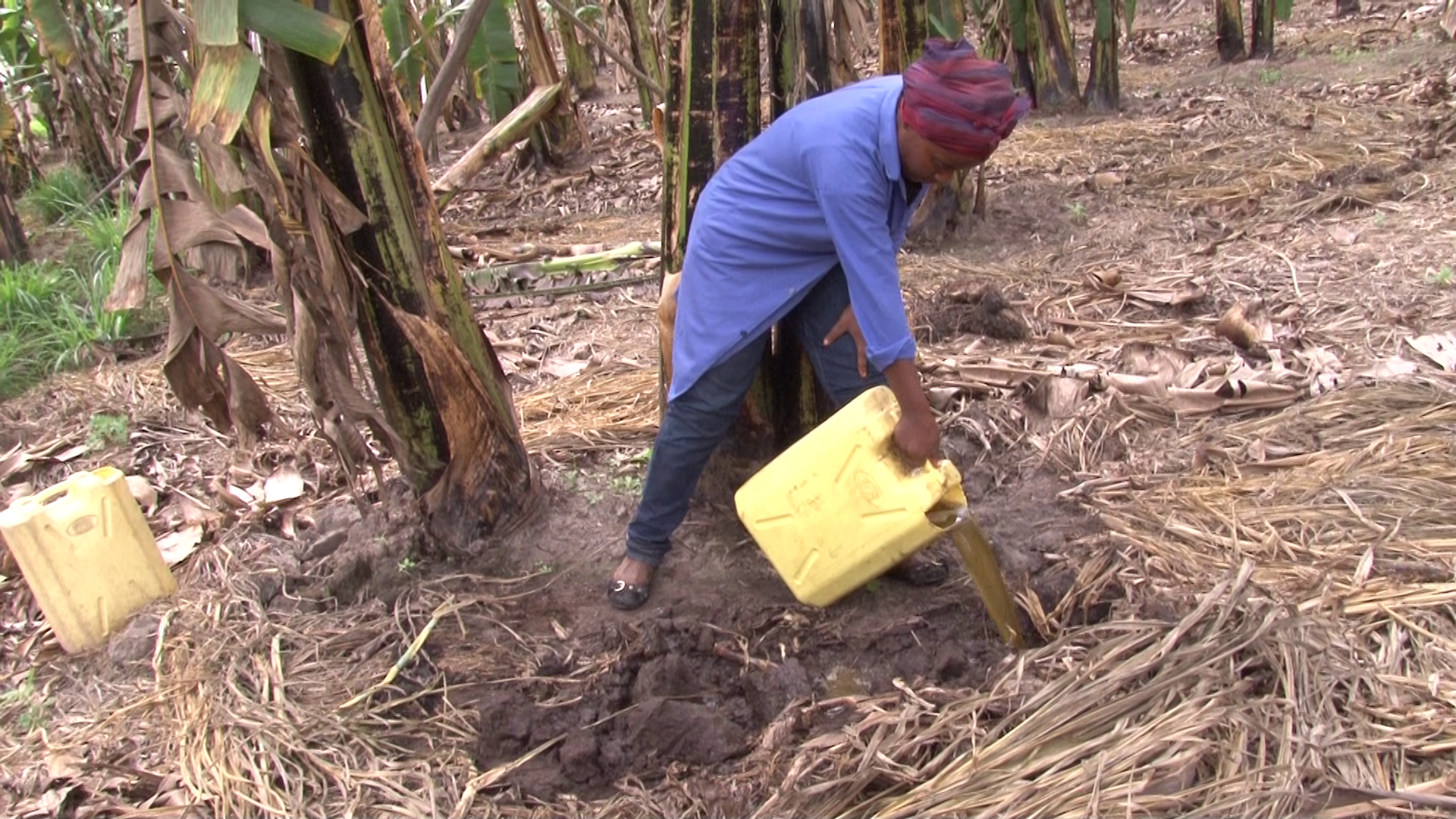
Katushabe demonstrates how she uses organic manure which she makes out of weed
By Stuart Twinomujuni
Rachel Katushabe graduated in 2017, a tough time for young Ugandans as youth unemployment was at 64%, forcing many into volunteer work. With a bachelor’s degree in agriculture, she quickly discovered that Uganda’s job market was highly competitive. However, as a graduate, she realized she needed minimal capital to make products from western Uganda’s staple crop: bananas.
After struggling to find full-time employment, Katushabe, from Sheema District, saw an opportunity in producing products like wedding cakes, burgers, daddies, and pancakes using banana flour.
"The reason I focused on matooke is because it was readily available as a primary resource, but it also posed challenges like price fluctuations and seasonality, with production peaking during the dry season," she explains. "These challenges led me to explore value addition for bananas."
Katushabe adds value by drying various types of bananas—ripe, raw, and others—to make flour, which she then further processes into different products.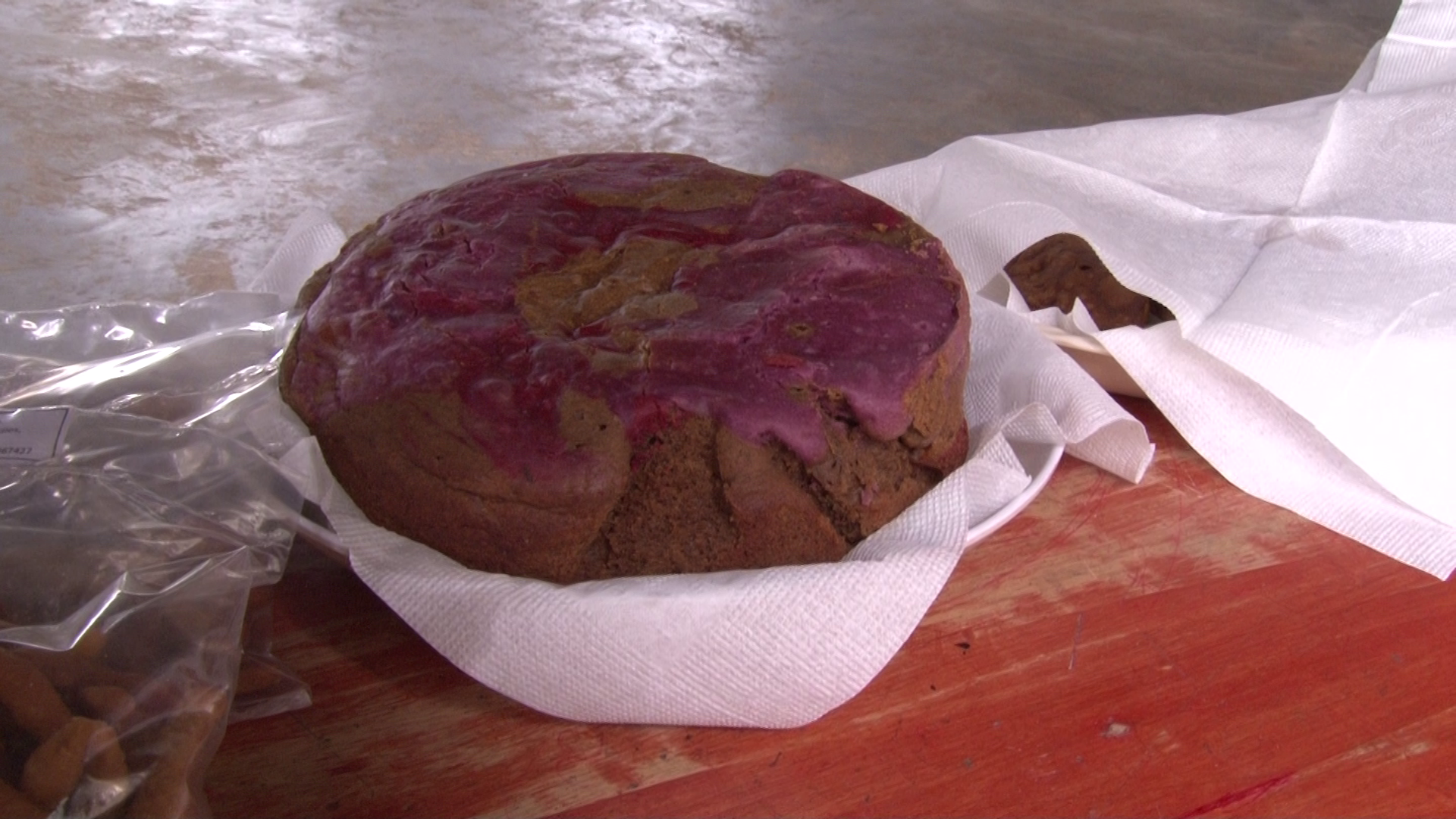
A banana cake she makes. (Photo by Stuart Twinomujuni)
Together with her husband, Davis Rusoke, she owns a five-acre banana plantation from which she harvests fresh matooke for her products. As an agriculture expert, Katushabe knows that quality products come from well-nourished banana plants, so she started making organic manure from weeds, partly due to limited funds for chemical fertilizers and to leverage climate-friendly practices.
Weeds, though competitors with banana plants, are turned into organic manure by Katushabe. "I make two types of organic manure to suit different seasons. During the dry season, I use a liquid organic manure, and in the wet season, I apply compost. This allows me to adapt to climate changes," she explains. "I use weeds, water, live soil, and animal waste, mostly cow dung, as ingredients for the manure."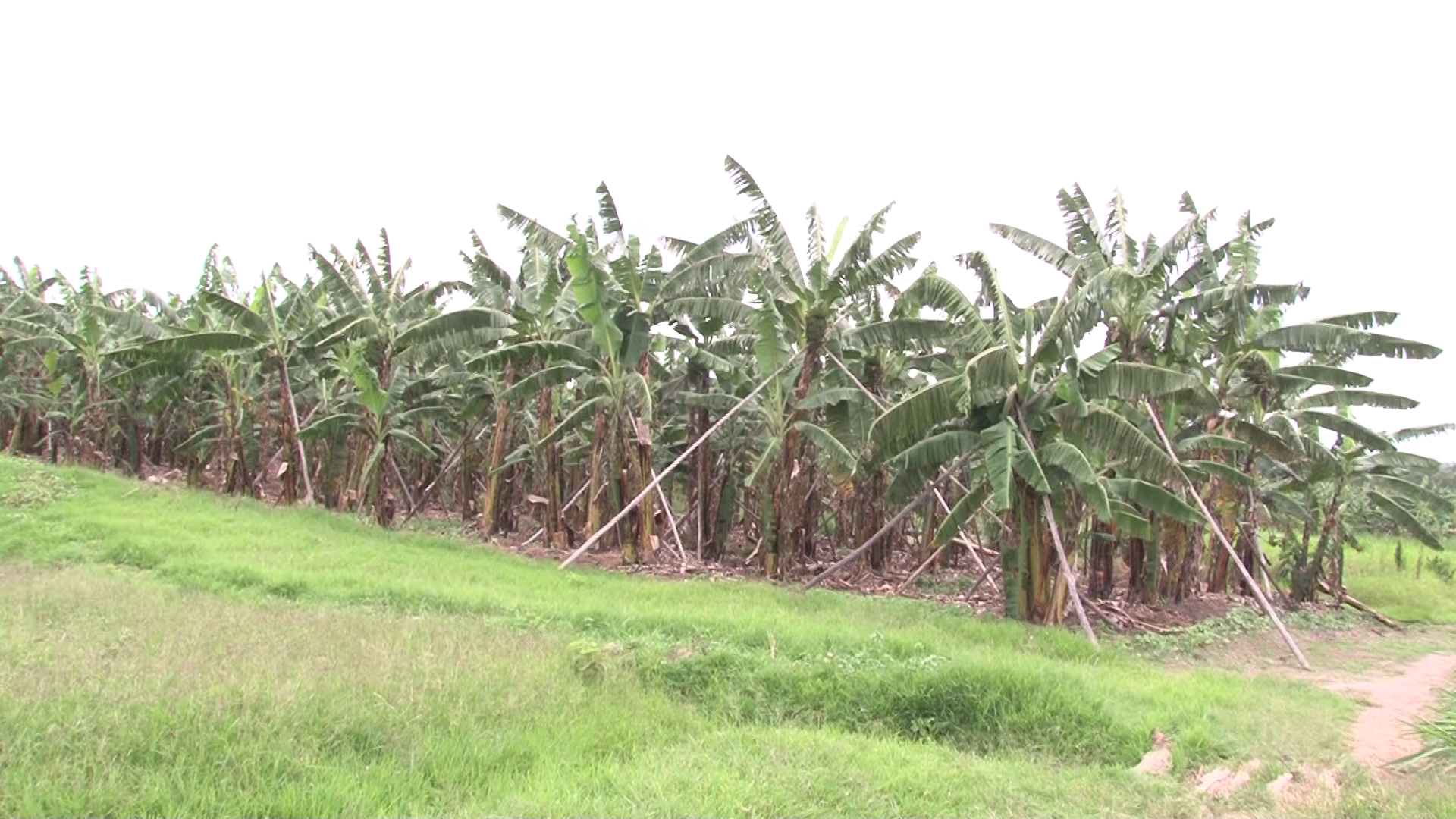
A banana plantation from which Katushabe harvests matooke to make flour. (Photo by Stuart Twinomujuni)
She also adds ash and other nutrients as needed for specific plants, focusing particularly on her banana and vegetable crops. To apply the liquid manure, she dilutes a 5-liter jerrycan of the mixture into four jerrycans of water to enrich the soil. "Liquid manure should be applied every three months, as it is quickly absorbed by the plant roots, and results are visible within six months," she says.
Additionally, Katushabe produces liquid manure from rabbit urine, which she sells to other farmers. She packages the urine in containers of various sizes, selling a 10-liter jerrycan for UGX 50,000 and 1 liter for UGX 2,500.
Starting with UGX 35,000, she bought a pregnant rabbit for UGX 20,000 and used the remaining UGX 15,000 for banana processing costs. She now produces products like meat pies, crisps, sausages, and pizza using rabbit meat and matooke.
"Because of my location, I mostly sell locally," she explains. "I prepare crispy meat, deep-fried meat pies, and roasted meat, especially for weekend customers."
Over time, she has also developed a rabbit breeding program, focusing on the Black New Zealand breed, selling a pair for UGX 100,000. Katushabe not only uses banana flour in her products but also sells it to schools and individuals to make porridge. She sells a kilogram of flour for UGX 7,000, and a bunch of bananas costing UGX 10,000 can yield flour worth UGX 70,000, which has a longer shelf life.
"Rather than selling bananas as fresh produce, it’s more profitable to add value by making flour, which opens up various product possibilities," she emphasizes.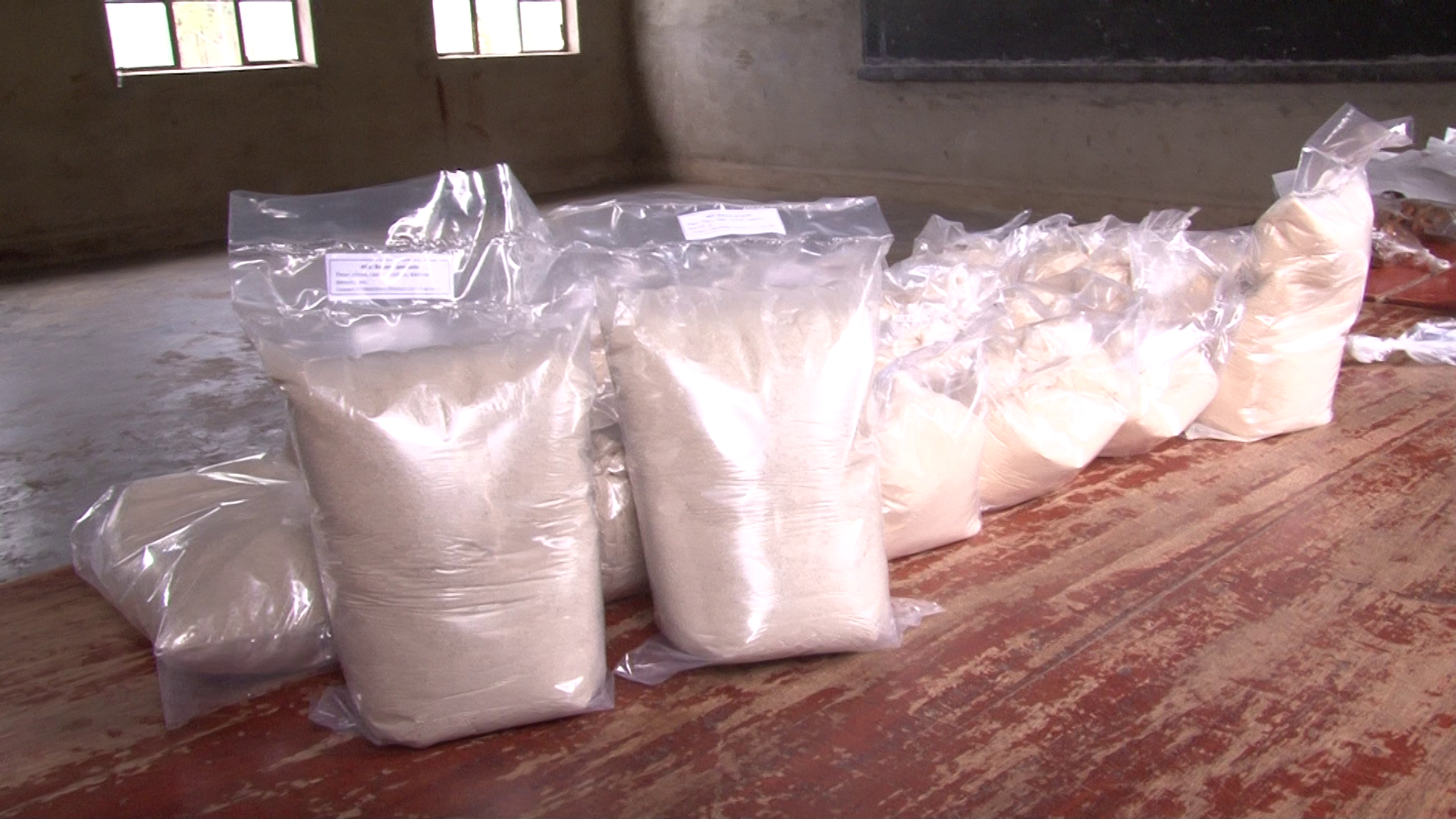
She sells a kilogram of flour for UGX 7,000. (Photo by Stuart Twinomujuni)
Each 37-banana yield produces around 10 to 12 kilograms of flour, while a single bunch of matooke can make crisps and daddies worth about UGX 50,000. This income, she says, makes her glad she didn’t rely on finding a salaried job.
"Taking up a job would be fine, but it’s not a priority now. I prefer to expand my business, invest in production improvements, and eventually provide employment to others," she says.
Impact of COVID-19
Katushabe's business was hit hard by COVID-19, as schools, her main market, closed abruptly. "My market was disrupted as schools closed, and labor became scarce as people were afraid to work," she reflects. "However, I learned to package my products to reach a wider market, which prepared me for future uncertainties."
Working without electricity
Operating in a remote area without electricity is challenging, but Katushabe uses biogas as an alternative. "Electricity would help me with preservation and drying my bananas faster," she notes. "If I had electricity, I could significantly increase production."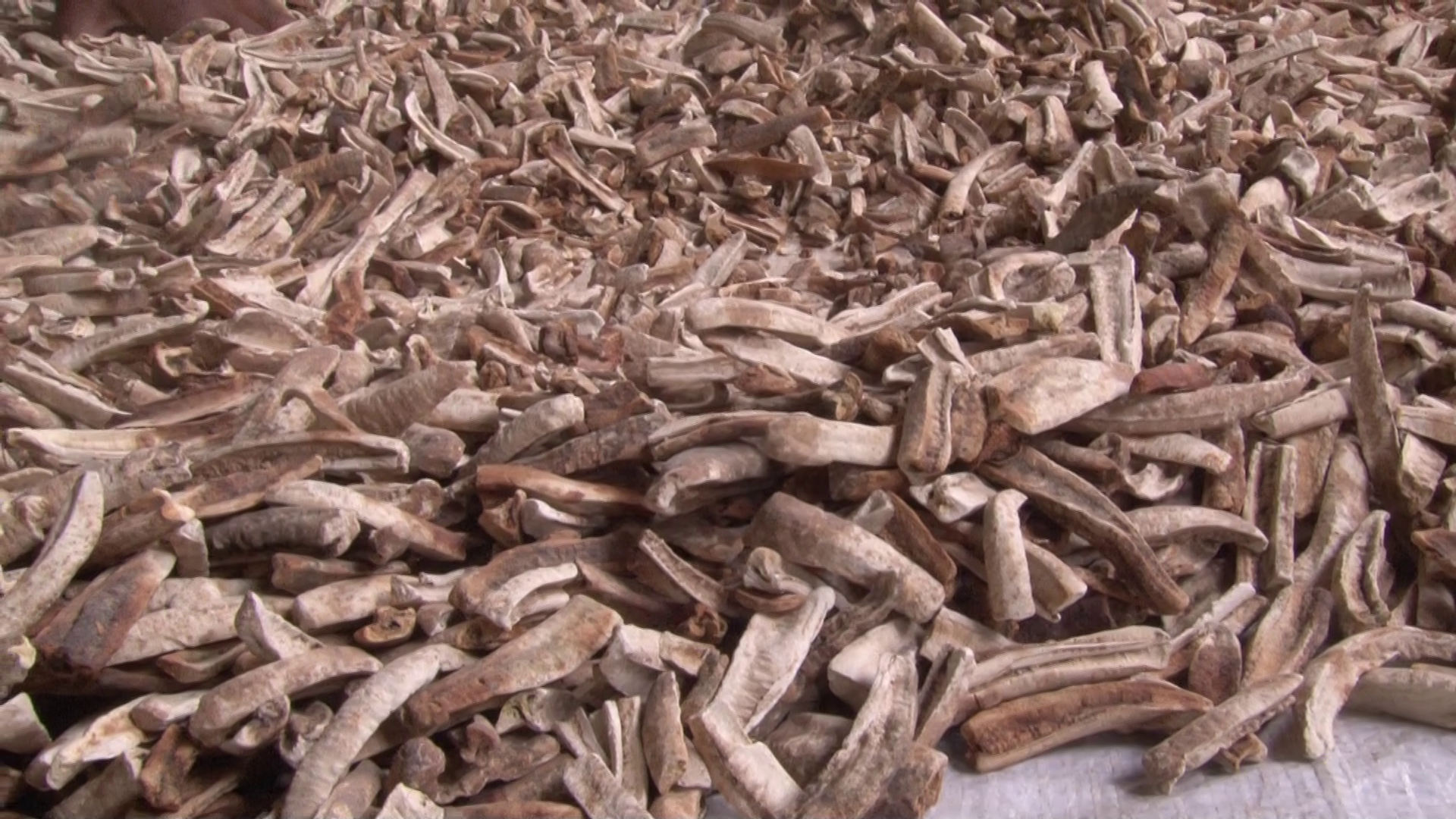
Peeled matooke after sun-drying to make flour. (Photo by Stuart Twinomujuni)
Keeping hope alive
Looking to the future, Katushabe sees potential in agriculture, the backbone of Uganda's economy. "Within the next three to four years, I aim to satisfy local and East African markets, and eventually expand beyond. In the short term, I want my business to be self-sustaining."
A vision for the future
"In ten years, I hope to establish a demonstration farm. Agriculture doesn’t require large land plots; with the right practices, I aim to make an impact on climate change and environmental conservation," she says optimistically.
Advice to the youth
Katushabe urges young people to be open-minded and avoid shortcuts to wealth. "Don’t undermine any opportunity. Have a broad vision and think beyond immediate gains. Youth often focus on short-term rewards without considering the long-term potential."
Torch Media Africa



