Written By | Health News Agencies
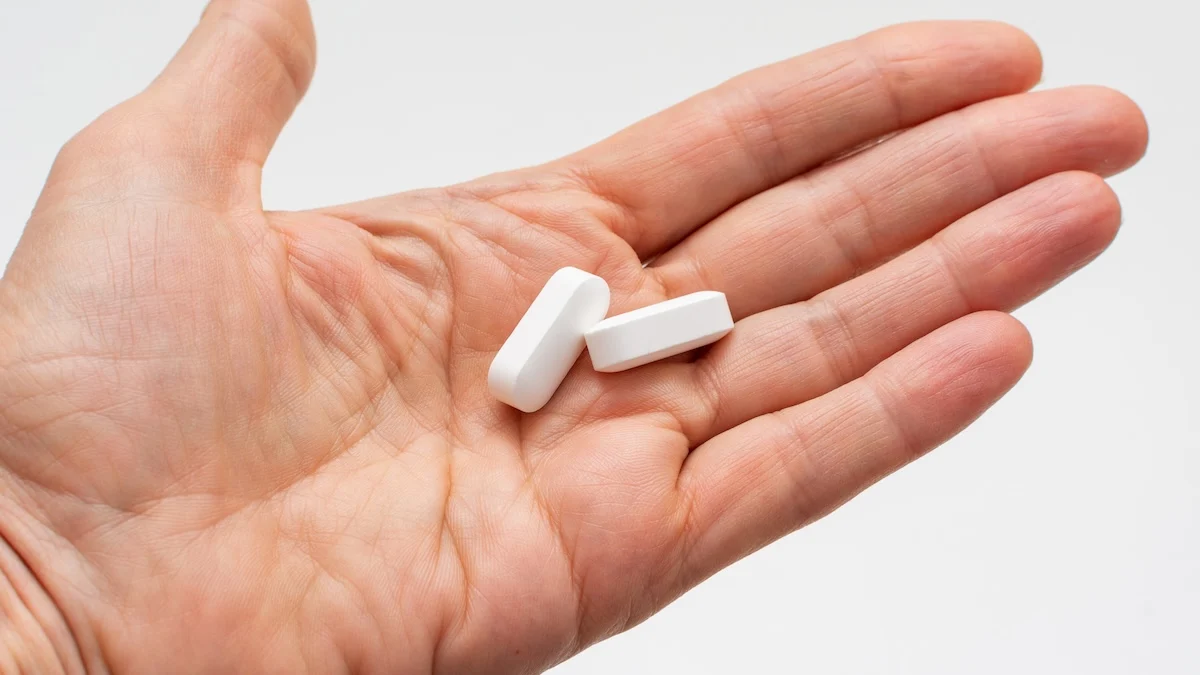
A small biotech's oral GLP-1 drug just posted eye-popping weight-loss numbers with none of the injections — and it's racing toward Phase 3 with Big Pharma's giants right on its heels
HEALTH
For four years, the story of weight-loss medicine has been written in needles. Ozempic. Wegovy. Zepbound. Mounjaro. Household names built on weekly injections that reshaped bodies, drug-company balance sheets, and the entire cultural conversation about obesity. Now a scrappier challenger wants to rewrite that story with something far less intimidating: a pill you swallow once a day, no syringe required, no refrigerator storage, no pharmacy trip to learn how to jab yourself in the stomach.
The drug is called aleniglipron, and the company betting its future on it, South San Francisco-based Structure Therapeutics, just published results that have obesity researchers sitting up straight. In a Phase 2b trial newly detailed in the journal Nature Medicine, patients with obesity or overweight who took aleniglipron lost as much as 12.1% of their body weight in just 36 weeks — and in a longer open-label extension of the same study, weight loss climbed even further, hitting 13.3%, 16.2%, and 15.3% of body weight across the drug's 45, 90, and 120 milligram dose groups after a median follow-up of 20 additional weeks.
Those aren't just good numbers. For an oral small-molecule GLP-1 drug — a fundamentally different, cheaper-to-manufacture class of medicine than the injectable peptides currently dominating the market — they're numbers that put aleniglipron in serious contention to be the pill that finally makes needle-based weight loss optional.
HOW A PILL CAN DO WHAT ONLY INJECTIONS COULD BEFORE
To understand why this matters, it helps to understand what's actually different about aleniglipron. Drugs like semaglutide (Ozempic/Wegovy) and tirzepatide (Mounjaro/Zepbound) are peptides — chains of amino acids that mimic the body's natural GLP-1 hormone, which regulates appetite and blood sugar. The problem with peptides is that your stomach treats them like food: digestive enzymes break them down before they can work, which is why they have to be injected directly into fatty tissue to survive intact.
Aleniglipron is a small molecule — chemically more like aspirin or ibuprofen than like a natural hormone — engineered to bind to and activate the same GLP-1 receptor, but built from a structure that survives the trip through your digestive system and gets absorbed into the bloodstream from a swallowed tablet. That's the entire appeal in one sentence: same biological target, radically simpler delivery.
The trial that produced these numbers, part of Structure's ACCESS clinical program, enrolled 230 adults with overweight or obesity and at least one weight-related health complication across dozens of medical centers, randomly assigning them to once-daily oral aleniglipron at escalating doses, or to a placebo, over 36 weeks. According to the study's authors, the drug's safety profile tracked with what's already well known about the entire GLP-1 drug class — mostly gastrointestinal side effects like nausea and vomiting, concentrated during the early weeks as the dose is ramped up.
What stood out to researchers wasn't just that patients lost weight — it was how well they tolerated getting there. The overall discontinuation rate due to side effects came in at just 10.4% in the Phase 2b data, and in a related analysis, only 3.7% of patients on therapeutic doses dropped out due to adverse events — notably lower than discontinuation rates that have plagued some earlier oral GLP-1 candidates, including Pfizer's now-abandoned danuglipron. Structure's scientists say a more gradual dose-escalation schedule, starting patients at a cautious 2.5 milligrams before ramping up, is a big part of why fewer people are quitting the drug mid-trial. Researchers also noted something that could matter enormously for real-world use: when patients who'd paused or reduced their dose because of vomiting restarted or re-escalated treatment, the vomiting rarely came back — suggesting the drug may be more forgiving of the dose interruptions that happen constantly in real life, when patients get sick, travel, or simply need a break.
THE CROWDED RACE TO BUILD THE FIRST BLOCKBUSTER GLP-1 PILL
Structure Therapeutics is not alone in chasing this prize, and the company knows it. Eli Lilly's orforglipron — another oral, non-peptide GLP-1 receptor agonist — is significantly further along in development, already deep into Phase 3 trials and widely expected to be among the first oral GLP-1 pills to reach the market. In head-to-head comparisons of trial data (with the important caveat that cross-trial comparisons are inherently imperfect, since the studies differ in duration, dosing, and patient population), aleniglipron's roughly 16% weight loss in its Phase 2 open-label extension actually edges out orforglipron's approximately 12–13% figures from Phase 3 — a genuinely striking result for a drug that's earlier in development than its chief rival.
That's the tension defining this entire corner of the pharmaceutical industry right now: Structure appears to have built a drug with potentially best-in-class efficacy, but Lilly has the enormous head start, the manufacturing scale, and the regulatory experience of a company that's already ushered tirzepatide through FDA approval and a global rollout. Being the better drug and being the first drug to market are two very different races, and pharma history is littered with technically superior products that lost to faster-moving competitors.
Structure isn't wasting time closing that gap. The company has said it is on track to kick off its pivotal Phase 3 program for aleniglipron in the third quarter of 2026, using the more conservative 2.5-milligram starting dose that appeared to smooth out tolerability in the Phase 2 data. Industry analysts tracking the drug's development timeline peg a realistic path to FDA approval at no earlier than 2028 — meaning aleniglipron, if everything goes right in Phase 3, is still a multi-year bet rather than a next-year arrival.
WHAT EXPERTS ARE SAYING
Obesity medicine researchers involved in publishing the ACCESS program data have described the tolerability profile as one of the most encouraging signals yet that an oral small-molecule GLP-1 drug can deliver injectable-level weight loss without the dropout rates that have sunk earlier oral candidates. That's a meaningful shift in tone for a category that, until recently, was viewed skeptically by many in the field — oral GLP-1 drugs have a track record of underwhelming compared to their injectable peptide cousins, both on efficacy and on how many patients can actually stomach staying on them long enough to see results.
The company's own statements have been notably confident, framing the extended open-label data — where weight loss kept climbing well past the initial 36-week readout — as evidence the drug's ceiling hasn't been reached yet within the doses tested. Whether that trajectory holds up in a much larger, more diverse Phase 3 population, tracked for a longer duration against a backdrop of real-world adherence, is the multi-hundred-million-dollar question Structure now has to answer.
WHAT THIS MEANS FOR YOU
If you're currently on an injectable GLP-1 drug, or have avoided starting one specifically because of needle anxiety, cost of cold-chain storage, or the practical hassle of injections, aleniglipron represents a genuine glimpse of where obesity medicine is headed — but not a treatment you can access today. This is a Phase 2 drug; Phase 3 trials haven't started yet, and full FDA approval realistically remains at least two years away, likely longer given how regulatory timelines tend to slip.
For patients weighing their options right now, the calculus hasn't changed: currently approved injectable GLP-1s and dual agonists remain the only options with the years of real-world data, established insurance coverage pathways (however imperfect), and FDA approval that a Phase 2 pill simply doesn't have yet. Anyone considering starting or switching GLP-1 therapy should be having that conversation with their doctor based on what's actually available now, not on trial results still years from the pharmacy shelf.
What aleniglipron's data does signal, though, is that the "pill versus injection" fight in obesity medicine is going to be genuinely competitive rather than a foregone conclusion in Lilly's favor. A cheaper-to-manufacture, room-temperature-stable, swallow-it-with-water pill that can match or beat injectable efficacy would be a seismic shift for accessibility — particularly for the millions of patients globally who live in places without reliable cold-chain pharmacy infrastructure, or who simply can't afford or won't tolerate a weekly injection regimen that, for the current generation of drugs, can run over a thousand dollars a month without insurance.
THE BOTTOM LINE
Aleniglipron isn't approved. It isn't available. It hasn't even started the Phase 3 trials that will determine whether its promising Phase 2 numbers hold up at scale. But in an obesity-drug market currently worth tens of billions of dollars and expanding fast, a mid-stage biotech just served notice that the injectable giants dominating the conversation may not have the pill format to themselves for long. Eli Lilly's orforglipron is still the frontrunner in the race to market — but Structure Therapeutics just proved it belongs in the conversation, and the numbers it posted this week are the kind that make rival drug-company boardrooms pay very close attention. The needle isn't disappearing yet. But for the first time in a while, it's got real competition.



