Written By | Health News Agencies
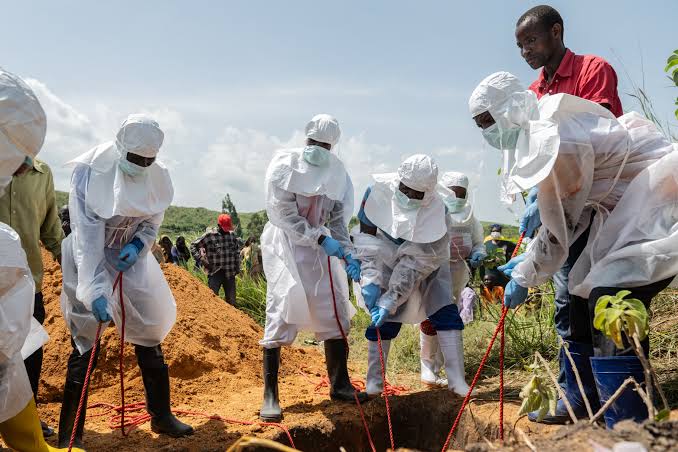
The outbreak's trajectory has alarmed epidemiologists because of its speed
Background
On May 15, 2026, the Democratic Republic of the Congo's Ministry of Health confirmed the country's 17th Ebola outbreak, this time in Ituri province, a conflict-scarred region in the northeastern part of the country. The outbreak arrived only about five months after the previous one had been declared over, underscoring how frequently the disease now resurfaces in a country that has recorded more Ebola outbreaks than any other in the world. Laboratory testing confirmed that the culprit is Bundibugyo ebolavirus, a rarer species of the virus than the Zaire strain that drove the catastrophic 2014-2016 West African epidemic and the 2018-2020 outbreak in North Kivu. Genomic analysis found the Bundibugyo strain in eight of thirteen samples collected from clusters of severe illness and death in the Mongbwalu and Rwampara health zones.
Two days after the DRC's confirmation, on May 17, the World Health Organization's Director-General determined that the outbreak, which by then had also produced cases in neighboring Uganda, constituted a Public Health Emergency of International Concern (PHEIC) — the WHO's highest level of alarm, reserved for events judged to pose a risk of international spread requiring a coordinated global response. That declaration set in motion emergency funding appeals, cross-border surveillance arrangements between Kinshasa and Kampala, and a wave of travel-related precautions in countries far from Central Africa, including the United States.
Key Developments
The outbreak's trajectory has alarmed epidemiologists because of its speed. In the 2018-2019 Kivu outbreak — the second-largest in history — it took more than ten months for confirmed cases to reach 2,000. This time, that threshold was crossed within roughly two months of the initial confirmation. By mid-May, the case count stood at 246 suspected infections and 80 deaths. By early July, WHO and DRC health officials were reporting more than 1,000 confirmed cases and over 250 deaths. By July 19, the DRC's health ministry put the confirmed case count at roughly 2,300 to 2,344, depending on the reporting source, with related deaths estimated in a range from about 796 to 930; other snapshots in the same week cited 2,145 confirmed cases and 830 deaths. The discrepancies reflect the pace of the outbreak and the lag between successive situation reports rather than any single authoritative figure, but every account agrees on the same underlying story: cases are accumulating faster than in any previous DRC Ebola outbreak on record, and the country's health ministry recorded 37 new deaths in a single recent 24-hour period alone. WHO has publicly characterized the outbreak as now the third-largest in the history of Ebola virus disease.
Transmission has concentrated in Ituri province, one of the most difficult places in the world to run an epidemic response. The region has for years been destabilized by militia violence, including attacks attributed to the Allied Democratic Forces (ADF) and other armed groups, which has displaced hundreds of thousands of people and left much of the local health infrastructure degraded or inaccessible. Contact tracing and safe burial practices, both essential to interrupting Ebola transmission chains, are far harder to sustain in areas where humanitarian workers face security risks and where population movement driven by conflict complicates the picture. Uganda, which shares a porous border with Ituri, has also registered cases, and the WHO's regional office in Africa has been coordinating a joint response with Kampala; UN News reported in mid-July that Uganda had reached what officials described as a milestone in its own outbreak response, even as the situation in the DRC continued to deteriorate.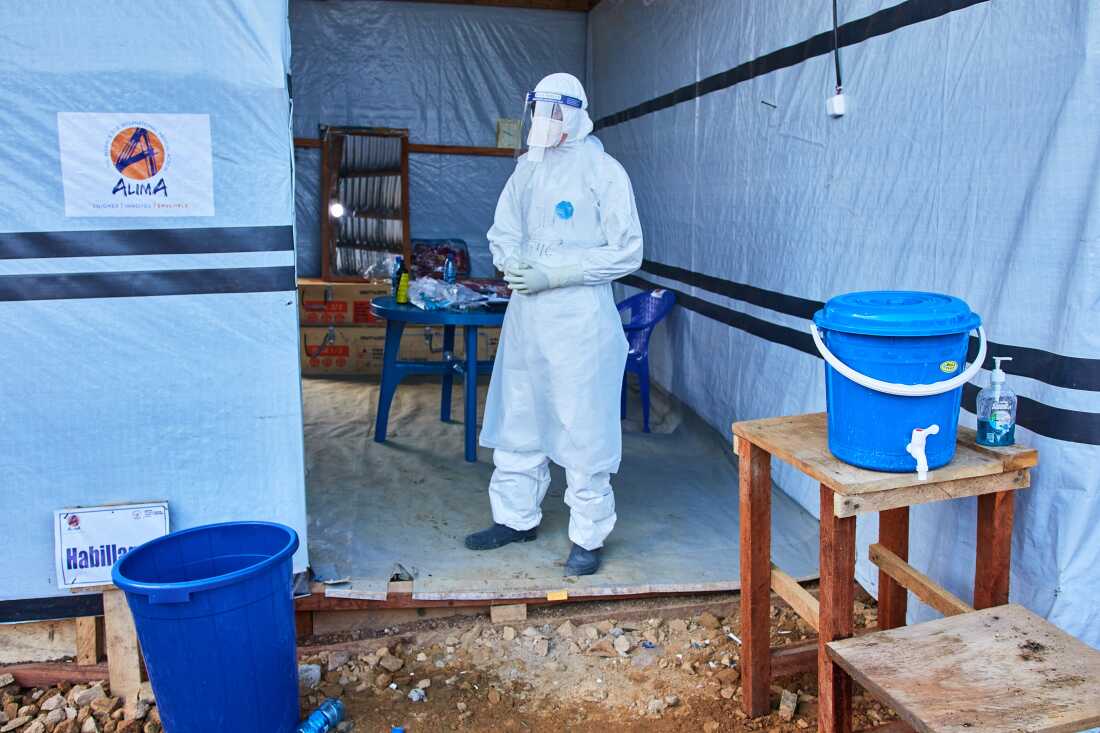
The response effort has been hampered by a funding shortfall that officials describe as unusually severe relative to past outbreaks. The WHO's joint continental preparedness and response plan, developed together with the Africa Centres for Disease Control and Prevention (Africa CDC), faces a gap of more than $400 million. Separately, the WHO has said it has received only about 40 percent of the roughly $115 million it estimates it needs for the direct emergency response. UNICEF, which handles much of the community engagement, water and sanitation, and child-protection work in outbreak zones, has said only about 25 percent of the funding it requires for its own Ebola response has materialized. Analysts tracking the funding picture have connected part of the shortfall to broader cuts in international humanitarian and health assistance over the past year, including reductions in U.S. foreign aid spending, which historically supported a significant share of global outbreak response capacity.
In the United States, the response has taken the form of entry restrictions rather than direct outbreak funding increases. Beginning May 18, 2026, the Centers for Disease Control and Prevention and the Department of Homeland Security implemented enhanced airport screening and entry restrictions for travelers arriving from the DRC, Uganda, and South Sudan. On July 13, the administration extended, for another 30 days, an order suspending entry for foreign nationals who have been present in those three countries within the preceding 21 days. American citizens leaving the DRC are advised they may only return to the United States after spending 21 days outside the affected area, and the CDC and DHS have implemented a “Do Not Board” process aimed at travelers departing the DRC who may be at risk of exposure. The CDC has repeatedly emphasized that the risk to the American public remains low and that no case linked to the outbreak has been confirmed inside the United States.
Reactions
WHO officials have been unusually blunt in describing the response as “outpacing” containment efforts, a framing meant to convey that the outbreak is spreading faster than health authorities can currently track and interrupt it. Doctors Without Borders (MSF), which has deployed treatment and support teams to the affected health zones, has published its own situation updates describing the scale of need on the ground, including the challenge of establishing Ebola treatment units and ensuring safe, dignified burials in areas with active insecurity. Global health commentators, including analysts writing for outlets such as Think Global Health, have drawn direct comparisons between the funding and staffing available for this response and the far larger mobilizations that followed the 2014-2016 West African epidemic, which killed more than 11,000 people, and the 2018-2020 Kivu outbreak, which killed roughly 2,300. The comparison has become a talking point for advocates arguing that shrinking international aid budgets are colliding with a genuinely fast-moving epidemic at the worst possible moment.
Within the DRC and Uganda, national health authorities have continued to work with WHO's regional Africa office on case management, ring vaccination where vaccine supply allows, and cross-border coordination, even as officials acknowledge the strain on already thin resources in a region also contending with ongoing conflict-driven displacement.
What's Next
The central question hanging over the outbreak is whether the funding gap can be closed before transmission accelerates further. WHO, Africa CDC, and UNICEF have all issued public appeals in recent weeks, and the pace of the outbreak — already the fastest first-month spread on record for a DRC Ebola event — means that further delay in resourcing the response is likely to translate directly into additional cases and deaths. Whether the outbreak ultimately approaches the scale of the 2018-2020 Kivu epidemic or the far larger 2014-2016 West African epidemic will depend heavily on whether the current trajectory can be bent downward through vaccination, treatment center capacity, and community engagement in a region where insecurity already complicates every element of the response.
On the international side, the U.S. travel and entry restrictions imposed since May are likely to remain in place, and potentially be extended again, for as long as the outbreak continues to expand. Other governments may follow with their own screening or entry measures if case counts continue to climb or if transmission is confirmed beyond Uganda's borders. For now, the outbreak remains centered in Ituri, but its speed, the severity of the funding shortfall, and the fragility of the surrounding security environment mean the situation is likely to remain a live international concern well beyond this week.