Written By | Entertainment Desk
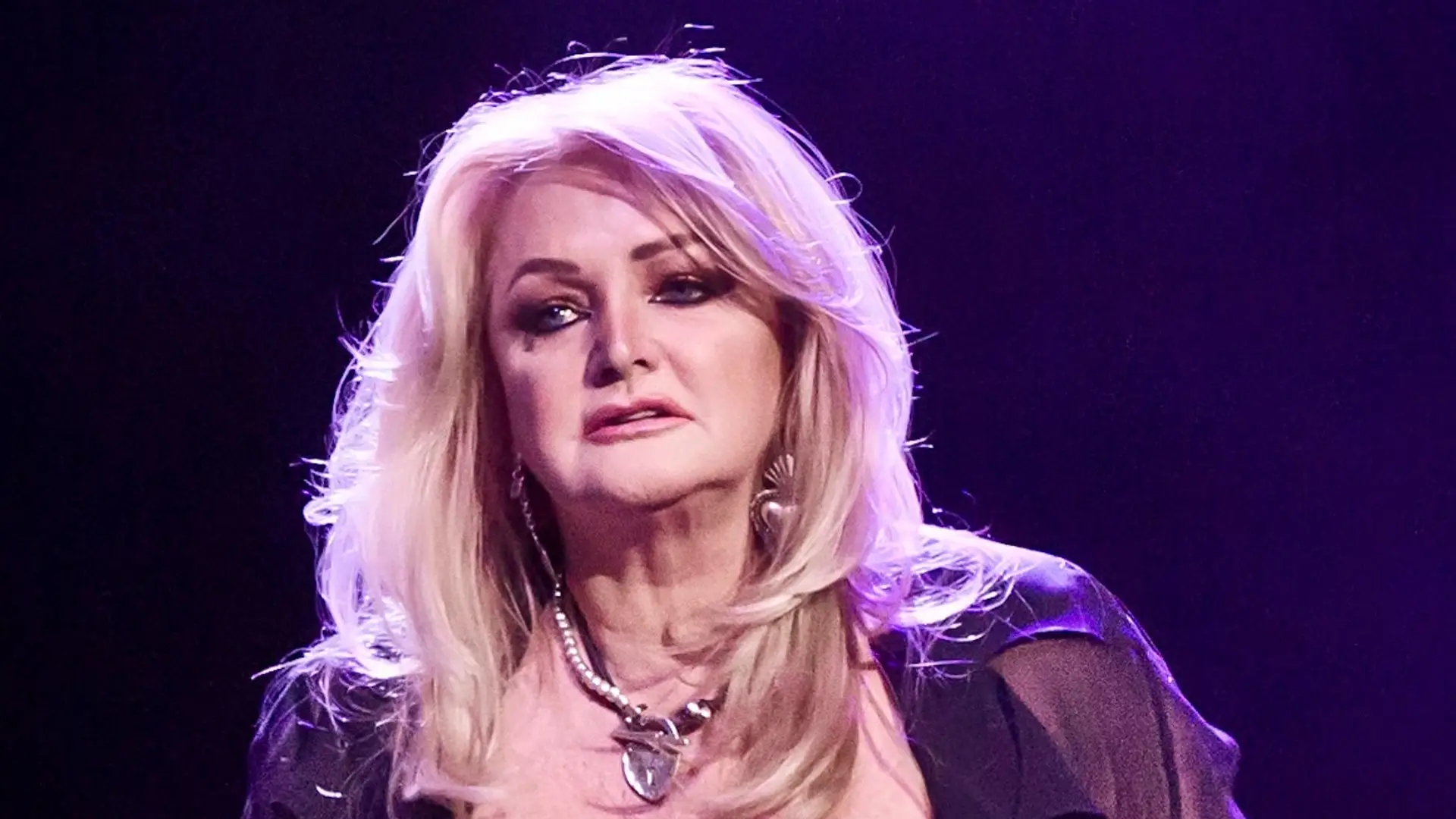
Bonnie Tyler died Wednesday night in a Portuguese hospital after a monthslong health battle, leaving behind one of pop music’s most enduring voices.
CARDIFF, WALES
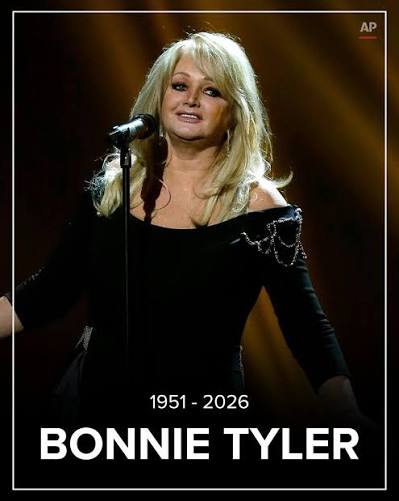
Bonnie Tyler, the Welsh singer whose smoky, powerhouse voice turned “Total Eclipse of the Heart” into one of the most recognizable songs of the 20th century, has died at 75. According to her manager and family, Tyler passed away unexpectedly Wednesday night in a hospital in Portugal, where she had been receiving treatment for an ongoing illness. The news, confirmed by outlets including NBC News and ITV, landed hard across the music world and among generations of fans who grew up belting her biggest hits at karaoke bars, weddings and, more recently, on TikTok.
A Difficult Final Chapter
Tyler’s death capped a difficult several months. In June, she emerged from a monthlong medically induced coma after undergoing emergency surgery to treat a perforated intestine, a health crisis that kept her hospitalized for weeks as she fought to recover. Reports at the time described a community of fans and fellow musicians sending messages of support, hopeful she would pull through as she had through earlier career and health setbacks over her five-decade career. Ultimately, her body could not sustain the recovery, and she died still under hospital care in Portugal.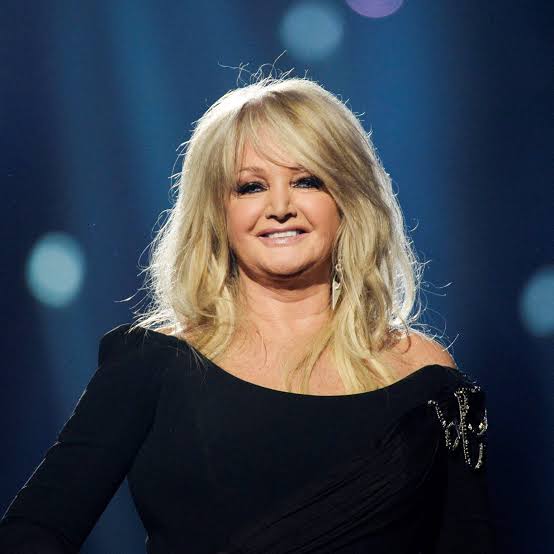
From Wales to the Top of the American Charts
Born Gaynor Hopkins in Skewen, Wales, Tyler broke into the British music scene in the 1970s before her career reached its zenith in the following decade through a partnership with songwriter and producer Jim Steinman, best known for his operatic, larger-than-life pop-rock compositions. Steinman wrote both of Tyler’s signature hits: 1983’s “Total Eclipse of the Heart,” which made her the first Welsh artist ever to top the American charts, and 1984’s “Holding Out for a Hero,” written for the film Footloose and later immortalized in countless movies, commercials and viral internet moments. Both songs endure today as staples of classic-rock radio, karaoke nights and, increasingly, a new wave of Gen Z listeners discovering them through film soundtracks and short-form video.
“I never get tired of singing it,” Tyler once told the BBC of “Total Eclipse of the Heart.” “I love it because everyone can’t wait to sing it.” That sense of communal joy — a song built for shared, full-throated singalongs — may be exactly why it has never left the cultural bloodstream more than four decades after its release.
Tributes Pour In
In the hours after news of her death broke, tributes flooded social media from fans, fellow musicians and public figures. Wales Secretary Jo Stevens posted a personal tribute calling Tyler “a Welsh music icon, Grammy and Brit award winner and the sound of my teenage years,” a sentiment echoed by thousands of fans across platforms. Many described her voice as one that “defined an era of music,” pointing to its rare combination of grit and vulnerability that set her apart from the polished pop vocalists of her time.
“Legends may leave us, but their songs live on forever.” — social media tribute
A Career Longer Than One Hit
While “Total Eclipse of the Heart” and “Holding Out for a Hero” remain her defining songs, Tyler’s career spanned more than fifty years and multiple Grammy nominations, along with a devoted European fanbase that kept her touring well into her seventies. She continued releasing new material and performing live in recent years, resisting easy categorization as a nostalgia act and instead maintaining an active recording career even as her most famous songs became inescapable cultural touchstones performed by tribute acts, television talent-show contestants and, in one memorable modern twist, a viral wave of TikTok creators reinterpreting her biggest hits for new audiences.
Tyler also built a reputation within the industry as a survivor in the most literal sense — her signature rasp was itself the product of a botched vocal-cord surgery in her youth, which she later credited with giving her voice its distinctive texture rather than derailing her career. That resilience became something of a throughline in later interviews, where she described her decades-long partnership with Jim Steinman not just as a professional collaboration but as a creative kinship that shaped the operatic, larger-than-life sound she became known for long after their most commercially successful years together had passed.
What Her Music Still Means
For casual listeners, Tyler’s catalog might seem to begin and end with two songs. But that undersells the specific alchemy she brought to those recordings — a voice roughened by nodule surgery early in her career into something unmistakably her own, paired with Steinman’s maximalist, cinematic songwriting. The result was music built to be shouted, not merely sung, which is precisely why it has survived changing musical fashions for more than forty years. Readers who grew up with her songs on the radio, or who discovered them more recently through film needle-drops and viral clips, are likely to find themselves reaching for those tracks again this week — not out of obligation, but because the songs still deliver exactly the emotional release they were built for.
A Voice That Outlasts Its Singer
Tyler’s death closes the book on one of pop music’s most distinctive careers, but her songs show no signs of fading from cultural relevance. As tributes continue to circulate and radio stations around the world mark her passing with dedicated airplay, the likeliest outcome is the one she herself predicted in interviews over the years: that as long as people want a song to sing together at full volume, “Total Eclipse of the Heart” will be there waiting. If you or someone you know is grieving the loss of an artist whose music mattered deeply to you, it can help to talk about it — whether with friends, family or a professional — rather than carrying that loss alone.



