Background
The Strait of Hormuz, the narrow chokepoint through which roughly a fifth of the world's seaborne oil normally passes, has been at the center of global anxiety since the 2026 Iran war erupted on February 28, when U.S. and Israeli forces launched nearly 900 strikes in twelve hours against Iranian missile sites, air defenses, military infrastructure and leadership, killing Supreme Leader Ali Khamenei in the opening salvo. Iran responded with retaliatory missile and drone strikes on U.S. and allied military installations, embassies and oil infrastructure across the region, and within days declared the strait closed to shipping, stranding hundreds of vessels and thousands of mariners inside the Persian Gulf.
In the six months since, the war has moved through repeated cycles of ceasefire and collapse. A June 17 memorandum of understanding briefly halted hostilities, only for fighting to resume after a series of tanker attacks and strikes on Gulf allies including Bahrain, Kuwait, Qatar, Jordan and the UAE. By mid-August, with the MOU's 60-day deadline expired and no durable deal in place, President Trump escalated rhetorically, posting a map on August 18 labeling the Strait of Hormuz "NEW U.S. TERRITORY" and threatening to bomb Oman if it interfered with U.S. efforts to keep the waterway open, a claim Iranian officials dismissed as having no basis in international law. The U.S. Navy has maintained a blockade of Iranian ports through much of this period, and Treasury Secretary Scott Bessent has pursued what he called an "economic D-day" campaign of sanctions against Iran's trading partners and enablers.
Key Developments
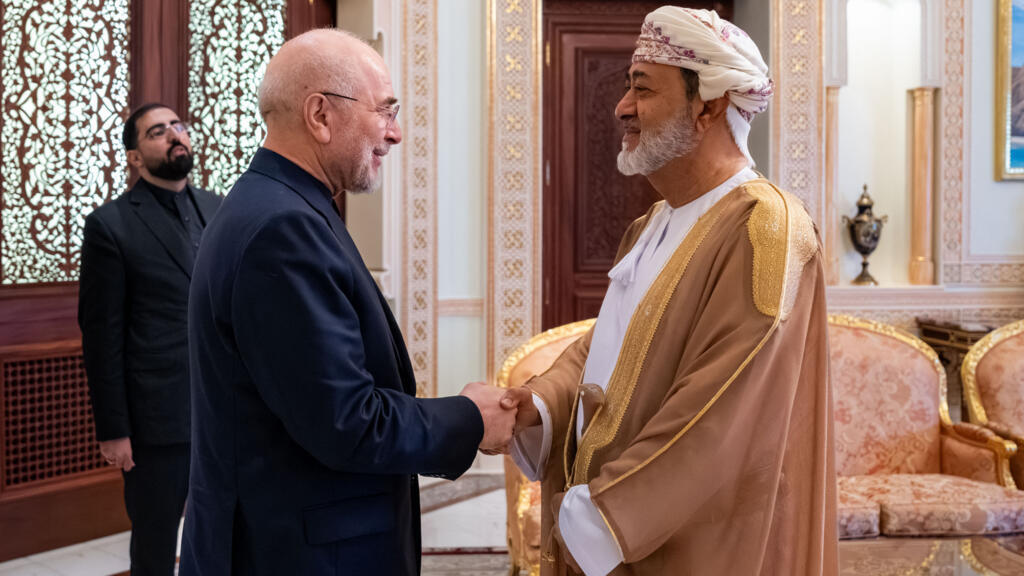
Against that backdrop, Iran and Oman announced on August 26 that they had reached an agreement to share revenue generated from a proposed temporary shipping route through the strait, according to a statement from Iran's IRGC-linked military command reported by Bloomberg and other outlets. The arrangement builds on a broader "phased framework" the two countries have been negotiating since early August for a joint project to reopen safe passage: inbound traffic from the Gulf of Oman into the Persian Gulf would travel entirely through Iranian waters, while outbound traffic would pass partly through Iranian waters and partly through Oman's territorial waters. Iranian Deputy Foreign Minister Kazem Gharibabadi said the framework would explicitly exclude military vessels from the arrangement, and the proposal also includes a joint mine-clearing initiative to remove ordnance left in the waterway during the conflict.
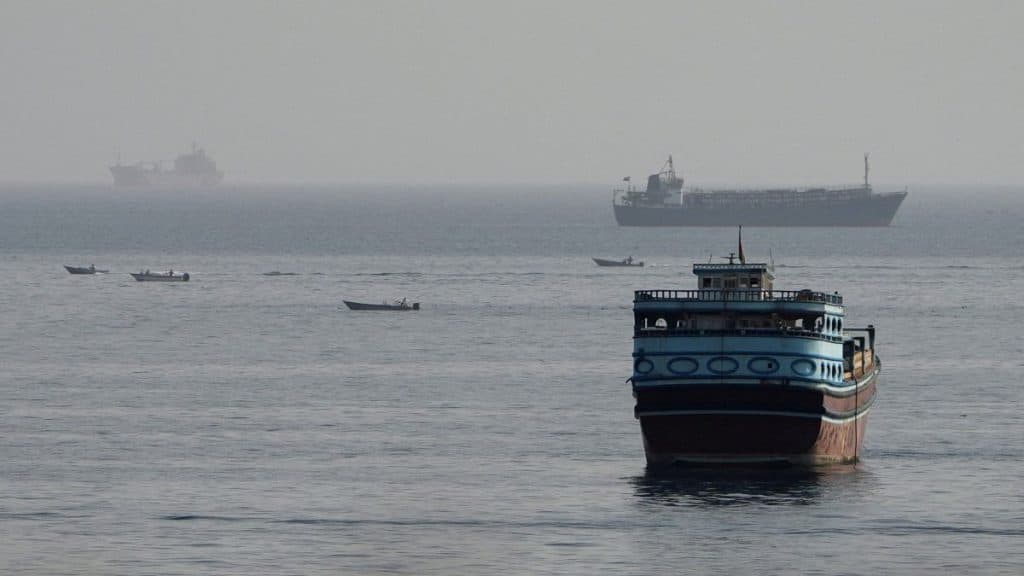
Oman's foreign minister said he was "hopeful" the arrangement would soon be formalized, and officials from both countries indicated that technical negotiations would continue toward a permanent shipping corridor and a longer-term framework for administering the strait. The announcement came as fresh violence underscored how fragile the situation remains: on August 24, an unidentified projectile struck and disabled a tanker off the coast of Oman, damaging its engine room, according to the UK Maritime Trade Operations agency, part of a continuing pattern of attacks on commercial vessels near the Musandam peninsula that has kept war-risk insurance costs elevated and discouraged many shippers from attempting the route regardless of any diplomatic progress. Brent crude has traded near $90 a barrel amid the uncertainty.
The diplomatic track received another boost on August 27, when Qatar's prime minister, Sheikh Mohammed bin Abdulrahman al-Thani, traveled to Tehran to relaunch broader mediation efforts, according to Iran's foreign ministry. Qatar, a U.S. ally that has served as a back-channel negotiator throughout the conflict and helped broker the short-lived June ceasefire, is seeking to use the Iran-Oman shipping progress as a foundation for wider talks between Washington and Tehran, which have been stalled since mid-August.
Reactions
The Trump administration's response to the Iran-Oman agreement has been openly hostile. Trump has warned that the United States would consider military action against Oman if Muscat's role in managing the strait "gets in the way" of American objectives, and the administration has told Oman directly that it opposes key elements of the evolving deal, particularly the prospect of joint Iranian-Omani management of the strait's exit route, according to CNBC reporting. Trump has continued to insist publicly that "there are no talks or conversations going on, or scheduled, with the Islamic Republic of Iran," that the U.S. naval blockade "remains in full force and effect," and that the strait is "open and operating" with mines already cleared by American forces — an account Iranian officials dispute, saying Washington is the primary obstacle standing in the way of a workable transit agreement.
Iranian officials, for their part, have cast the deal with Oman as evidence that Tehran can restore regional shipping without American involvement, while continuing to insist that the strait will remain effectively unusable for U.S.-linked shipping until Washington meets a broader set of conditions: lifting sanctions, releasing frozen Iranian assets abroad, paying war reparations, ending the naval blockade, withdrawing U.S. troops from the region and halting further strikes on Iran's regional allies. Gulf states that depend heavily on Hormuz-transiting trade, including Saudi Arabia and the UAE, have offered only cautious public comment, wary of being caught between Washington's objections and a deal that could, if implemented, meaningfully de-escalate a crisis that has repeatedly spilled onto their own territory through tanker attacks and stray strikes.
Shipping industry analysts have reacted with skepticism tempered by cautious interest, noting that previous rounds of Hormuz diplomacy this year — including an earlier round of talks that produced initial reports of a breakthrough in early August — have collapsed or stalled without producing any actual increase in traffic through the strait. Insurers and shipowners say they are unlikely to resume normal operations until a durable, internationally recognized arrangement is in place and verified safe in practice, rather than announced in principle.
What's Next
The most immediate test will be whether Iran and Oman can convert their revenue-sharing and routing framework into an operational corridor that shippers are actually willing to use, particularly given the continued attacks on vessels near Oman's coast and the absence of any U.S. sign-off. Technical negotiations on a permanent corridor and long-term strait administration are expected to continue in the coming weeks, and Qatar's mediation push, beginning with Thursday's visit to Tehran, could determine whether Washington is drawn back into direct or indirect talks with Iran or continues to treat the Iran-Oman framework as a rival arrangement to be resisted.
Much will also depend on whether the Trump administration follows through on its threats toward Oman, a long-standing U.S. partner and one of the few regional states to maintain working relationships with both Washington and Tehran throughout the war; any American action against Muscat would risk alienating one of the last credible mediators in the conflict. Meanwhile, the underlying military standoff remains unresolved: the U.S. blockade of Iranian ports continues, sporadic strikes and tanker attacks persist, and neither side has offered a clear pathway back to the kind of ceasefire that held, however briefly, in June. With the war approaching its sixth month, the Iran-Oman shipping deal represents one of the few concrete diplomatic developments in weeks, but its significance will ultimately be measured by whether tankers actually start moving through the strait — or whether it becomes another announced framework that fails to survive contact with the conflict's underlying dynamics.
For the global economy, the stakes of that question are considerable. Energy analysts note that even a partial, verified reopening of Hormuz could ease upward pressure on oil and gas prices that have weighed on consumers worldwide since the war began, while a further collapse of talks would likely reinforce the elevated war-risk premiums insurers have already priced in. Asian economies that rely heavily on Gulf crude, including Japan, South Korea, China and India, are watching the Iran-Oman framework closely, as are European governments still managing energy-security concerns left over from the disruption of Russian gas supplies earlier in the decade. Whether Thursday's Qatari mediation trip to Tehran can bridge the gap between Iran's shipping arrangement with Oman and Washington's insistence on its own terms may determine whether the coming weeks bring the war's first genuine off-ramp or simply another round of announcement and reversal.
Published By | News Editor