What happened
Uganda's government this week asked citizens not to buy foreign currency in a panic, as the shilling fell to roughly Shs4,500 per US dollar in late October from about Shs3,604 in March, a decline of around 20 percent in the shilling's value, or about 25 percent more shillings needed to buy a dollar. Finance Minister of State Henry Musasizi made the appeal in a ministerial statement on the economy to Parliament on 27 October, according to Nile Post and Uganda Online. He said the government was worried about the speed of the fall as well as its effect on prices, businesses and household welfare.
What is driving the pressure
The government points first to energy. Higher international petroleum prices have lifted demand for dollars: Uganda Online, citing Parliament, reports that net foreign exchange demand from the energy sector rose from US$360 million to US$620 million year on year. Falling global prices for coffee and cocoa, key agricultural exports, have reduced dollar inflows, and tourism has been hit by setbacks linked to health-screening measures. The World Bank, in its October Africa Economic Update, said the Middle East conflict has hurt African economies mainly through fuel, fertiliser, food and transport costs, and flagged pressure on Uganda's external balance from higher fuel and import costs.
Uganda Business News reports that the current-account deficit widened by $1.4 billion to $4.6 billion in the 12 months to August, reflecting higher oil prices, freight and insurance costs, weaker tourism receipts and lower portfolio inflows, with importers' dollar buying adding to the strain.
The policy response
The Bank of Uganda (BoU) raised its Central Bank Rate by 2.25 percentage points, from 9.75 percent to 12 percent, in an emergency move on 14 October. Earlier in 2026 it also lifted the cash reserve requirement, the share of eligible deposits banks must hold in reserve, from 11 percent to 13.5 percent. The shilling paused briefly after the rate rise, then weakened again within days.
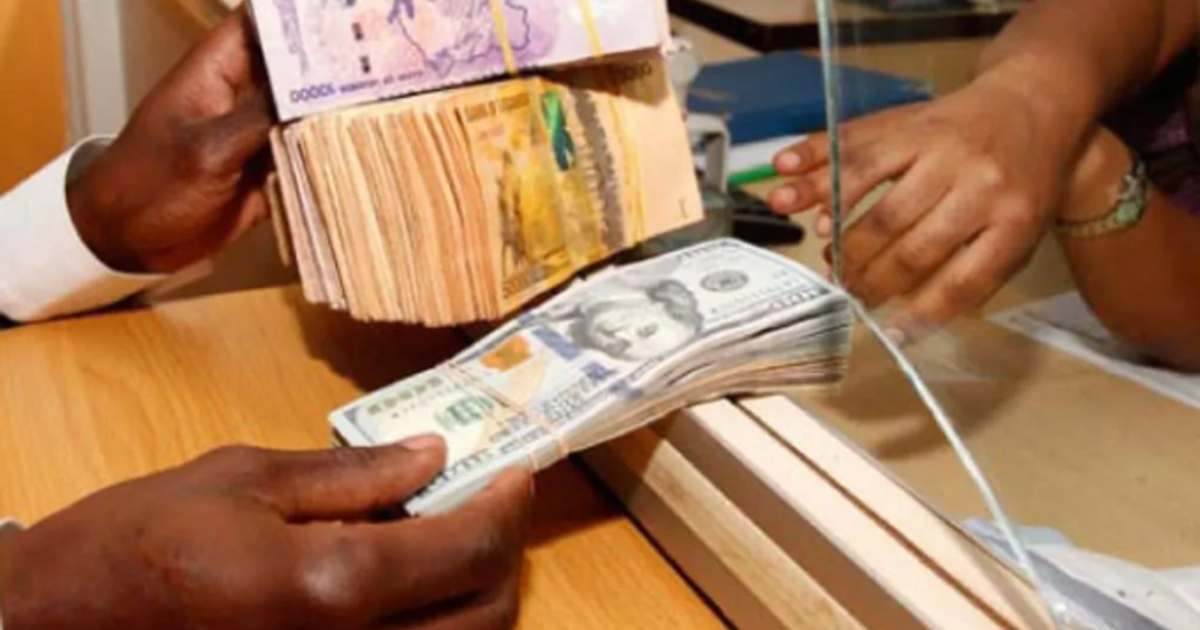
On Thursday 22 October the BoU sold dollars in the market, according to Uganda Business News, which said a notice to commercial banks stated the central bank was on the sell side without giving an amount. The interbank mid-rate closed that day at Shs4,301.90, up from Shs4,208.10 the previous close, a record low at the time. Two market participants told Bloomberg on 15 October that the BoU had already sold dollars after the rate decision, with one estimating up to $30 million; the BoU did not confirm this.
On the fiscal side, the government is cutting non-essential spending such as workshops, meetings and administrative activities while protecting critical services and development investment. Ramathan Ggoobi, permanent secretary at the Ministry of Finance, said planned spending was cut by almost Shs3 trillion in the second quarter. The Energy ministry and the Uganda National Oil Company are working on securing supply and cutting avoidable fuel costs.
A public disagreement over reserves
The episode exposed differences over using reserves. President Museveni rejected selling dollars to lower the exchange rate, saying "I don't agree with that, it's not correct," and arguing that a weaker shilling raises exporters' local-currency earnings. Ggoobi urged the central bank not to "donate our reserves to speculators." The BoU has said it does not target a specific exchange rate and aims to reduce excessive volatility, and its governor said direct dollar sales remain an option if needed.
The cushion is not unlimited: the latest published reserves were $6.7 billion at end-June, equal to 3.7 months of import cover. Members of Parliament proposed avoiding depleting reserves, building them through gold acquisitions, improving relations between tax authorities and business, and stepping up diplomacy to confirm Uganda's Ebola-free status to revive tourism.
The wider growth picture
The World Bank cut its growth forecast for Uganda for the financial year 2025/26 to 6.4 percent and for 2026/27 to 7.4 percent from 8.5 percent, while raising 2027/28 to 9.2 percent. It also raised its 2026/27 inflation projection to 5.5 percent from 4.2 percent, the fiscal deficit to 5.2 percent of GDP and public debt to 55.3 percent of GDP. The government's budget assumes 10.2 percent growth, well above the Bank's figure. Much of the upside rests on oil: officials told Parliament's finance committee that production is expected before the end of June 2027 and that the export pipeline should be ready to receive crude by mid-December 2026. A delay would weigh on both growth and the foreign-exchange picture.
Why it matters and what to watch
A weaker shilling raises the cost of imported fuel, machinery and other goods, feeds inflation and increases the shilling cost of dollar debt. Higher interest rates, meanwhile, make borrowing dearer for businesses and households. The squeeze lands on both sides at once.
Key indicators ahead include the next BoU move on rates or dollar sales and whether it discloses the amounts, the trend in the interbank rate after the government's appeal, the next reserves figure, inflation readings, and whether the pipeline timetable holds. The unresolved question is whether the policy mix of tight money, spending cuts and verbal reassurance is enough, or whether the pressure persists until oil export receipts arrive.
Figures are as reported by the cited outlets as of 28 October 2026; the late-October rate of about Shs4,500 is as stated in the minister's reported remarks.
Published By | News Editor