Written By |

Adeke and Odur clashed over whether the mouth and anus should be explicitly recognized as body organs where sexual violence can be committed
By Our Reporter
PARLIAMENT - A heated debate unfolded in Parliament as MPs Anna Adeke (Soroti District Woman Representative) and Jonathan Odur (Erute South) clashed over whether the mouth and anus should be explicitly recognized as body organs where sexual violence can be committed.
The discussion occurred during the scrutiny of the Sexual Offences Bill 2024 before the Joint Committee of Legal and Gender Affairs on Monday. The controversy centered on the implications of expanding the definition of sexual organs in Ugandan law, with Odur expressing concerns about potential conflicts with the Anti-Homosexuality Act.
Maintain the status quo - Odur
MP Odur argued that including the anus as a sexual organ could create loopholes for legitimizing homosexuality, which is outlawed in Uganda. He advocated for maintaining the traditional definitions of sexual organs—penis and vagina—as previously upheld by the law.
"If you read this law carefully, you seem to give another window for homosexuals in relation to the Anti-Homosexuality Act," Odur stated. He questioned whether expanding the definition to include other body parts would create ambiguity, citing potential confusion over whether organs such as breasts or even hands could be classified as sexual.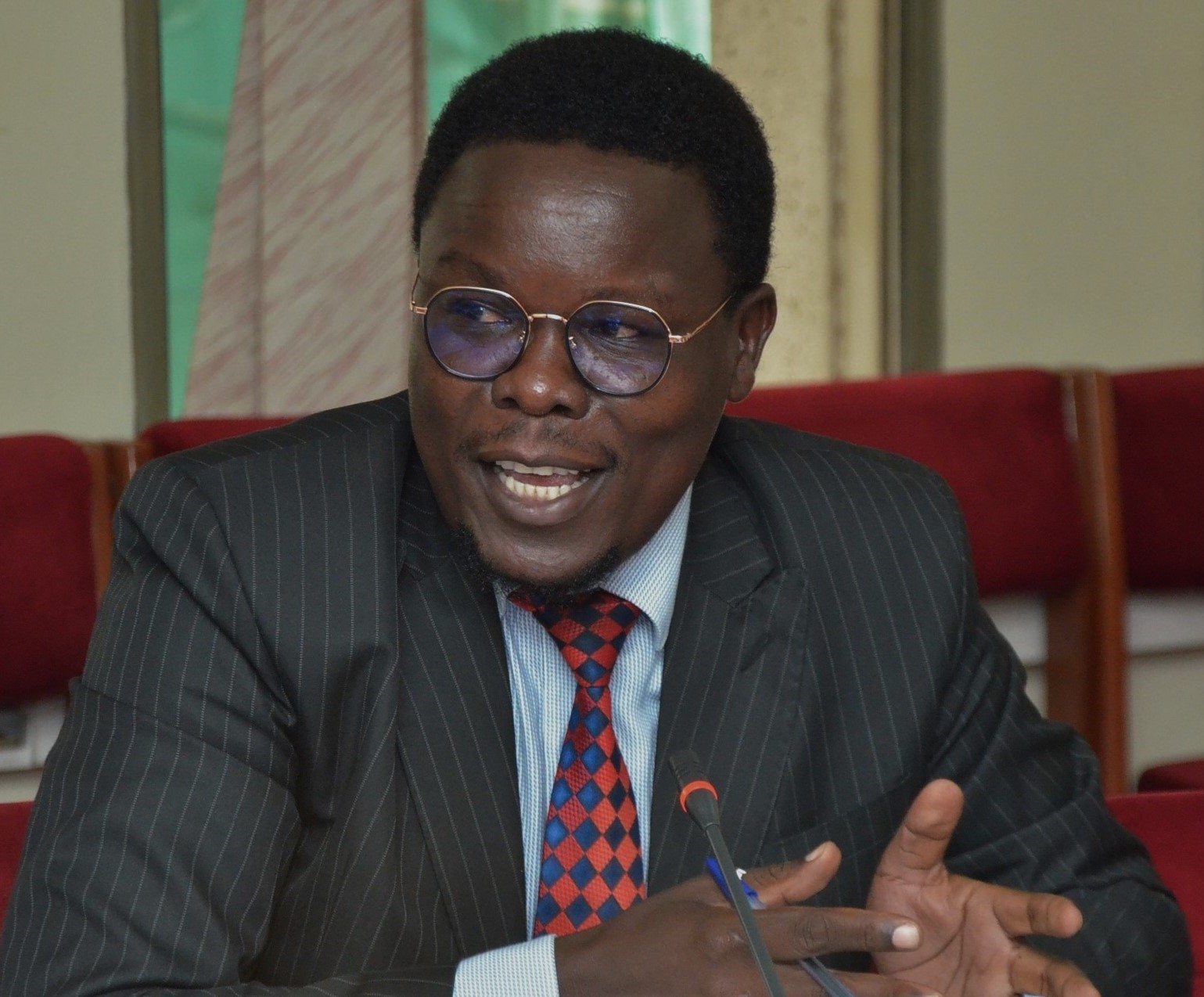
Jonathan Odur (Photo: Parliament Watch)
Address all forms of sexual violence -Adeke
In response, MP Adeke emphasized the need for inclusivity in the law to address sexual violence comprehensively. She highlighted that heterosexual couples could engage in anal or oral acts, which should not automatically be conflated with homosexuality.
"Even heterosexual couples can or even have anal sex, making the anus a sexual organ doesn’t drive us into condoning homosexuality," Adeke asserted. She argued that failing to recognize acts involving the mouth or anus as sexual acts leaves victims without legal recourse.
"We have men forcing their penises into women’s mouths—is it a lie? No. That is rape under this law," she added, emphasizing that sexual violence can occur in ways that are not confined to the traditional understanding of intercourse.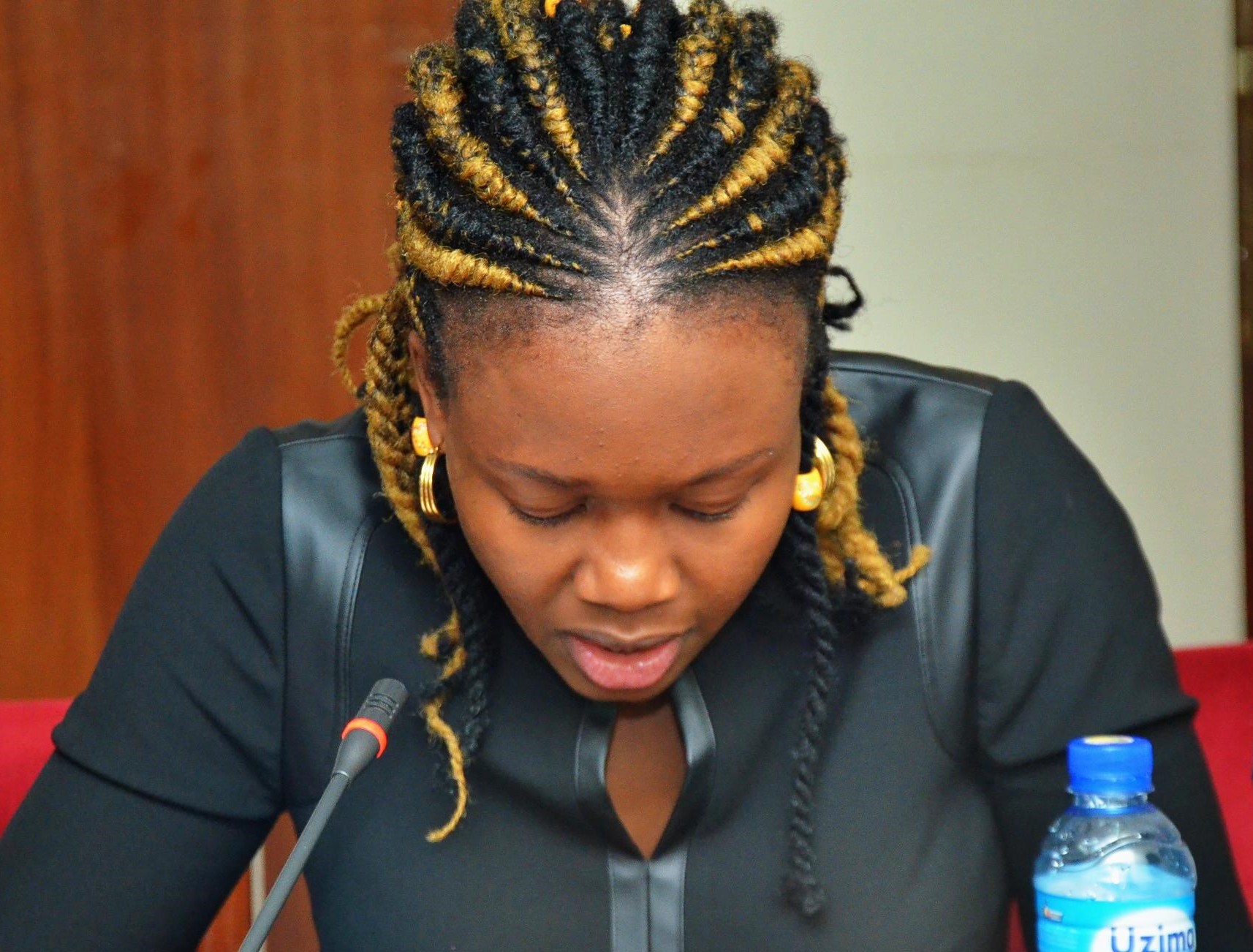
Anna Adeke, Soroti District Woman Representative. (Photo: Parliament Watch)
Consent and criminality
The debate also delved into the issue of consent. Odur questioned whether acts involving consent could be excluded from punishment under the law. Adeke countered, explaining that the presence of a complainant would typically indicate the absence of consent, which is central to prosecuting sexual violence cases.
"You know there has to be a complainant. If there is no complainant, then there is consent; how shall we know?" she asked.
Moral and legal implications
The exchange culminated with Odur expressing discomfort with categorizing the anus and mouth as sexual organs, suggesting alternative language to address such acts without redefining the organs themselves. "The anus and mouth aren’t sexual organs, but a sexual act can be committed with that organ," Adeke clarified, advocating for clear legal definitions to ensure justice for victims of sexual violence.
Next steps
The Joint Committee on Legal and Gender Affairs will continue to deliberate on the contentious provisions of the Sexual Offences Bill 2024, which seeks to overhaul Uganda's legal framework on sexual crimes.
The bill remains a lightning rod for debates on morality, legality, and human rights, reflecting broader societal tensions on these issues.
Torch Media Africa



