Written By |
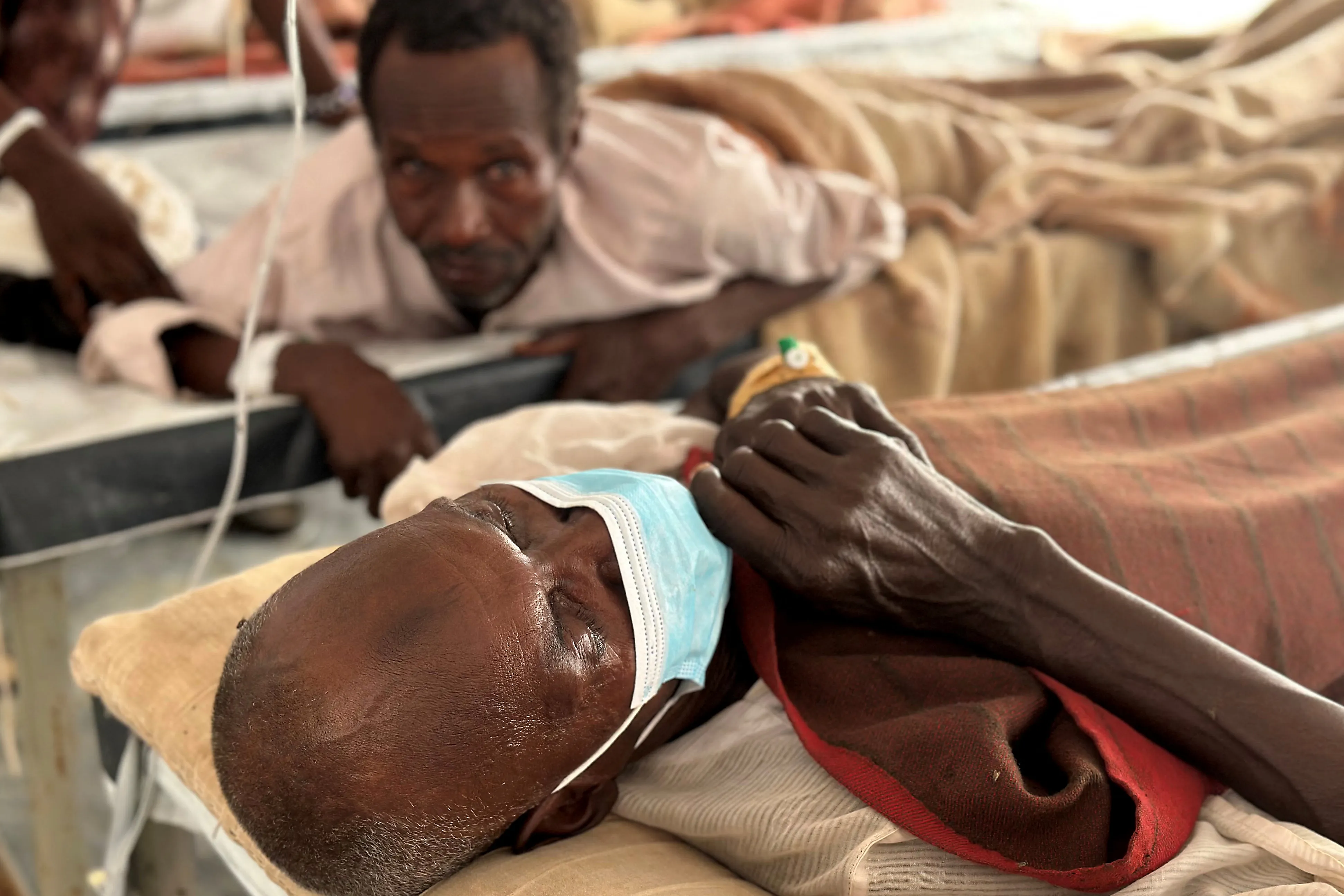
Patients receive treatment in the cholera isolation centre at the refugee camps of western Sudan, in Tawila city, Darfur [AFP]
Sudan War
Cholera is spreading rapidly through refugee camps in western Sudan, causing severe illness and deaths amid a deepening humanitarian crisis and severe aid shortages. In Tawila, Darfur, fear spreads as quickly as the disease. Flies swarm over food and water sources faster than residents can boil them, and contamination is constant. “We mix lemon in the water when we have it and drink it as medicine,” said Mona Ibrahim, who has lived for two months in a makeshift camp in Tawila. “We have no other choice.”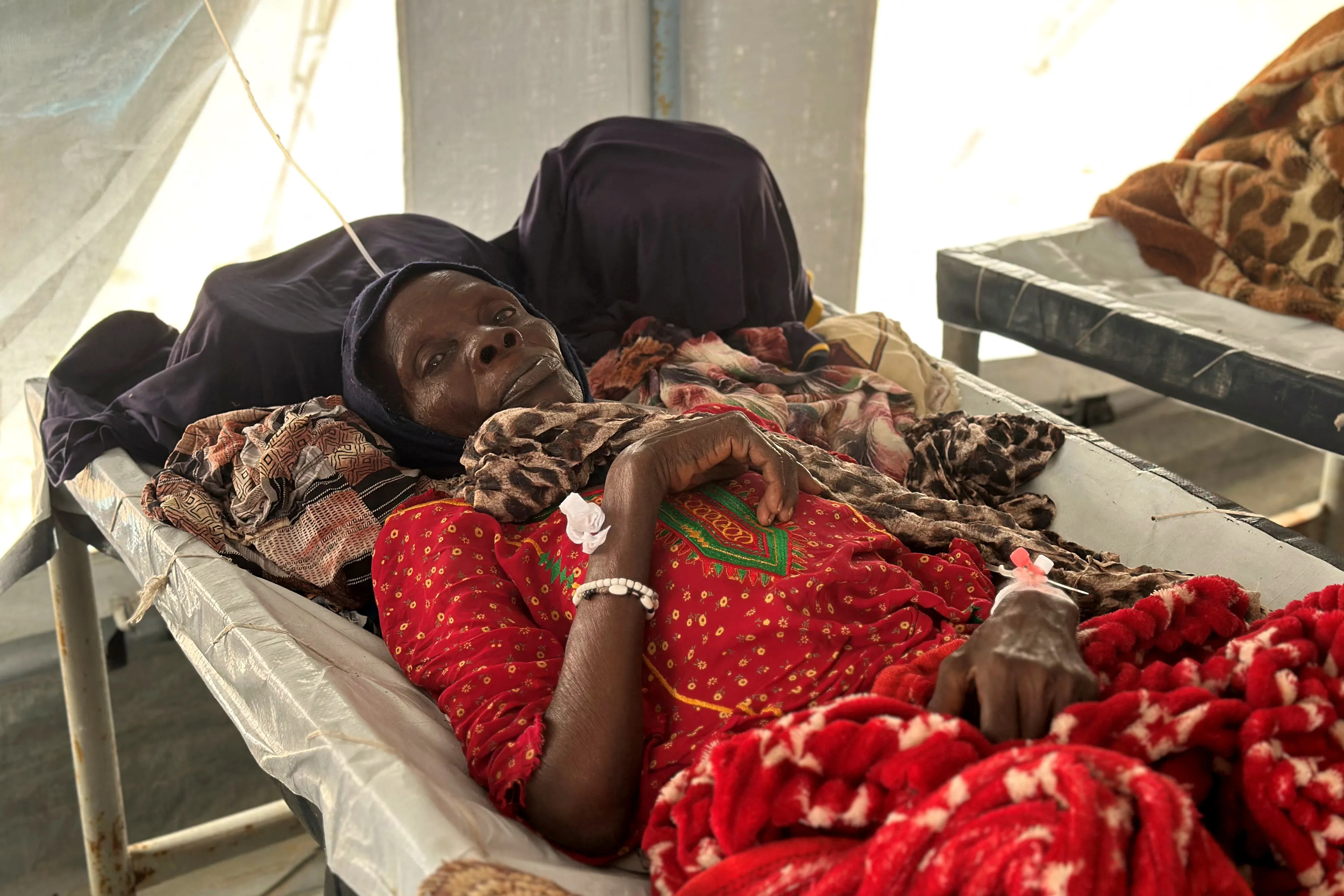
MSF has opened a 160-bed cholera treatment centre in Tawila, with plans to expand to 200 beds. [AFP]
Nearly half a million people fled to Tawila and its surroundings in April after attacks by the paramilitary Rapid Support Forces (RSF) on the nearby city of El-Fasher and the Zamzam displacement camp. The RSF has been fighting Sudan’s army since April 2023.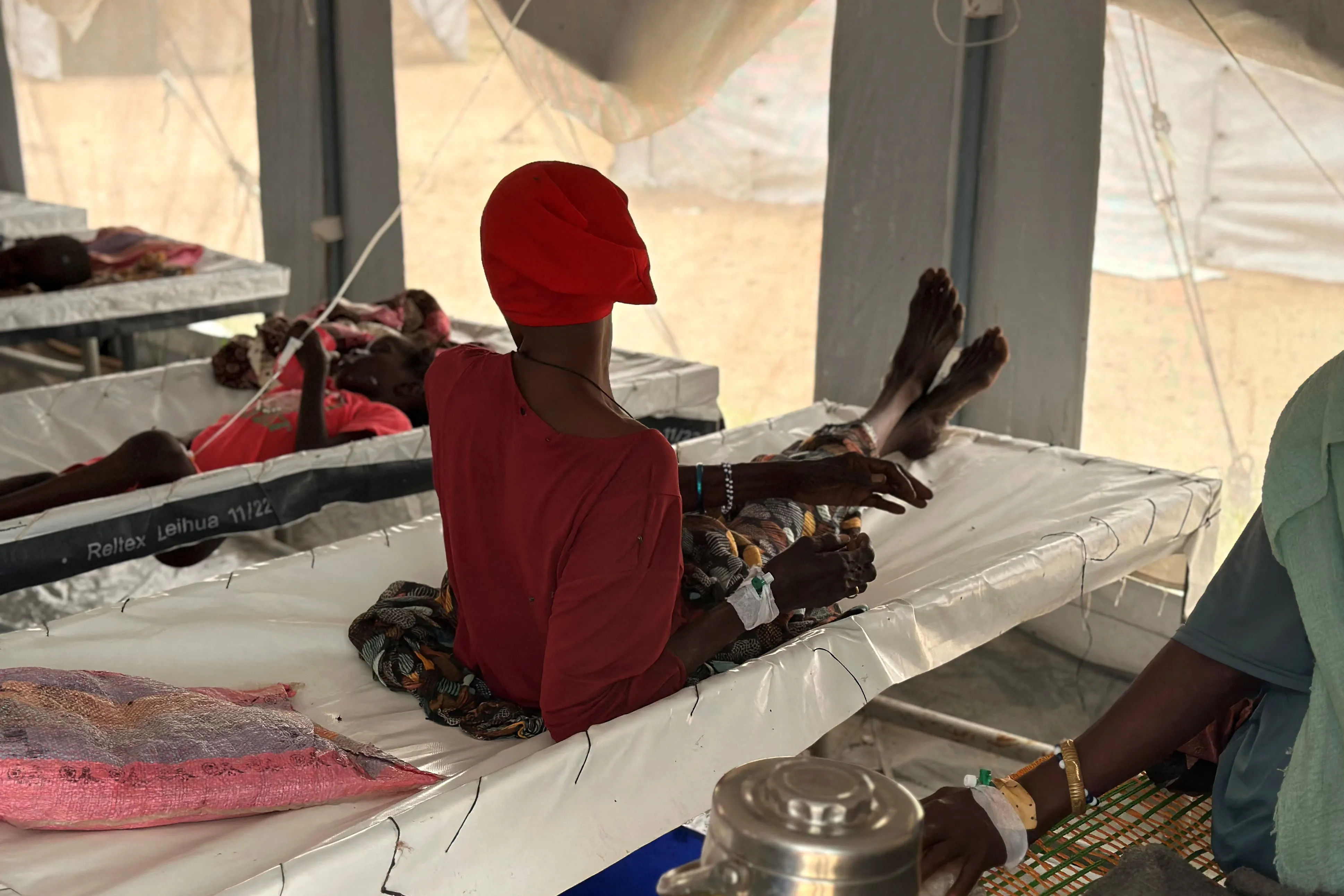
Cholera is a highly contagious bacterial infection that causes severe diarrhoea and spreads through contaminated water and food. [AFP]
The first cholera cases in Tawila were detected in early June in the village of Tabit, about 25km (16 miles) south, according to Sylvain Penicaud, project coordinator for Doctors Without Borders (MSF). “After two weeks, we started identifying cases directly in Tawila, particularly in the town’s displacement camps,” he said.
In the past month alone, MSF has treated more than 1,500 cases in Tawila, while UNICEF reports that about 300 children in the town have contracted the disease since April. Across North Darfur, more than 640,000 children under the age of five are at risk.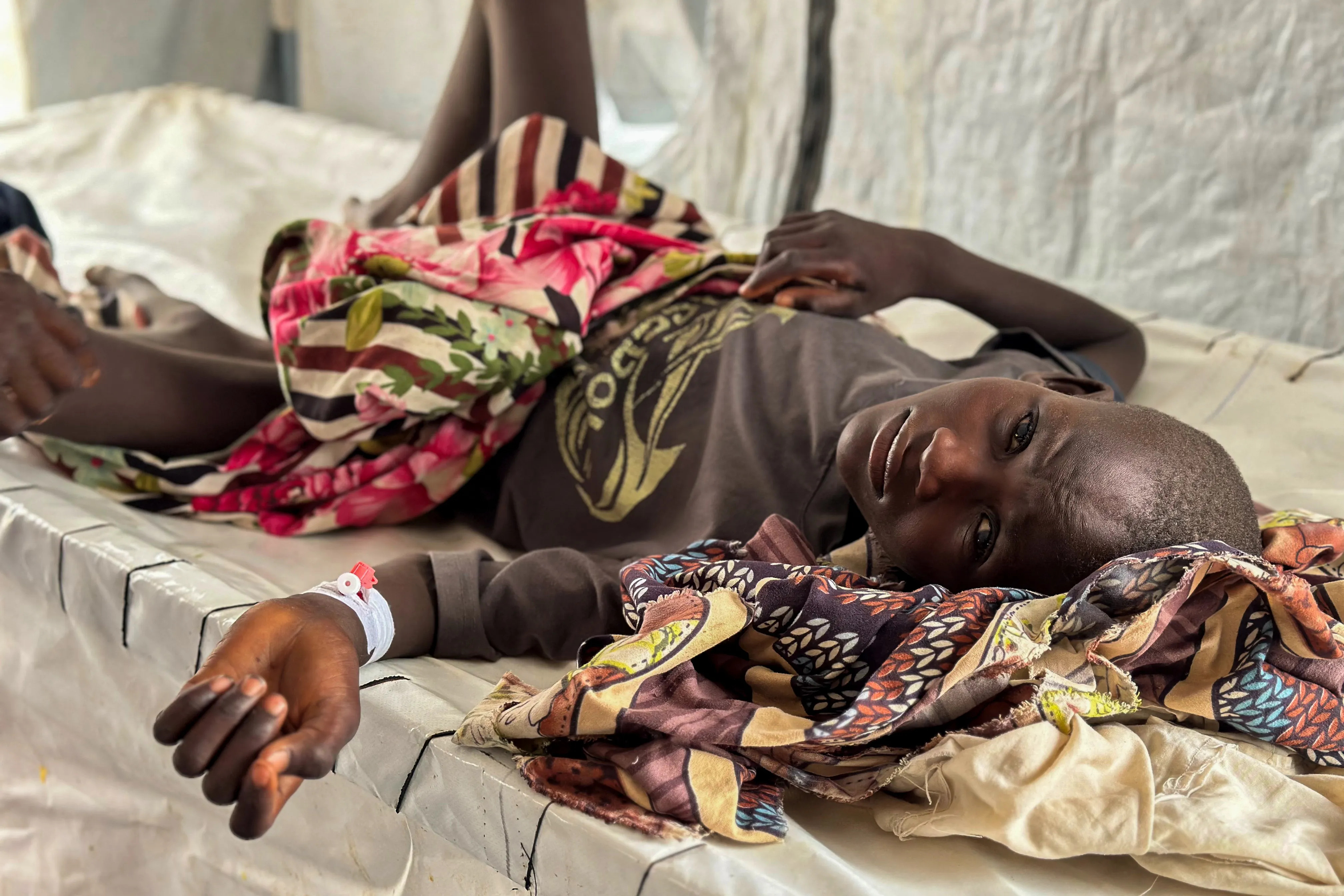
Causing rapid dehydration, Cholera can kill within hours if left untreated, yet it is preventable and usually easily treatable with oral rehydration solutions. [AFP]
By July 30, UN figures recorded 2,140 infections and at least 80 deaths across Darfur. Cholera, a highly contagious bacterial infection spread through contaminated water and food, can kill within hours if untreated. While it is preventable and treatable with oral rehydration solutions, more severe cases require intravenous fluids and antibiotics—resources that are in short supply.
“We advise people to wash their hands with soap, clean their blankets and tarpaulins, and use clean water,” said Ibrahim Adam Mohamed Abdallah, UNICEF’s executive director in Tawila. “But here, even those basic precautions are out of reach.”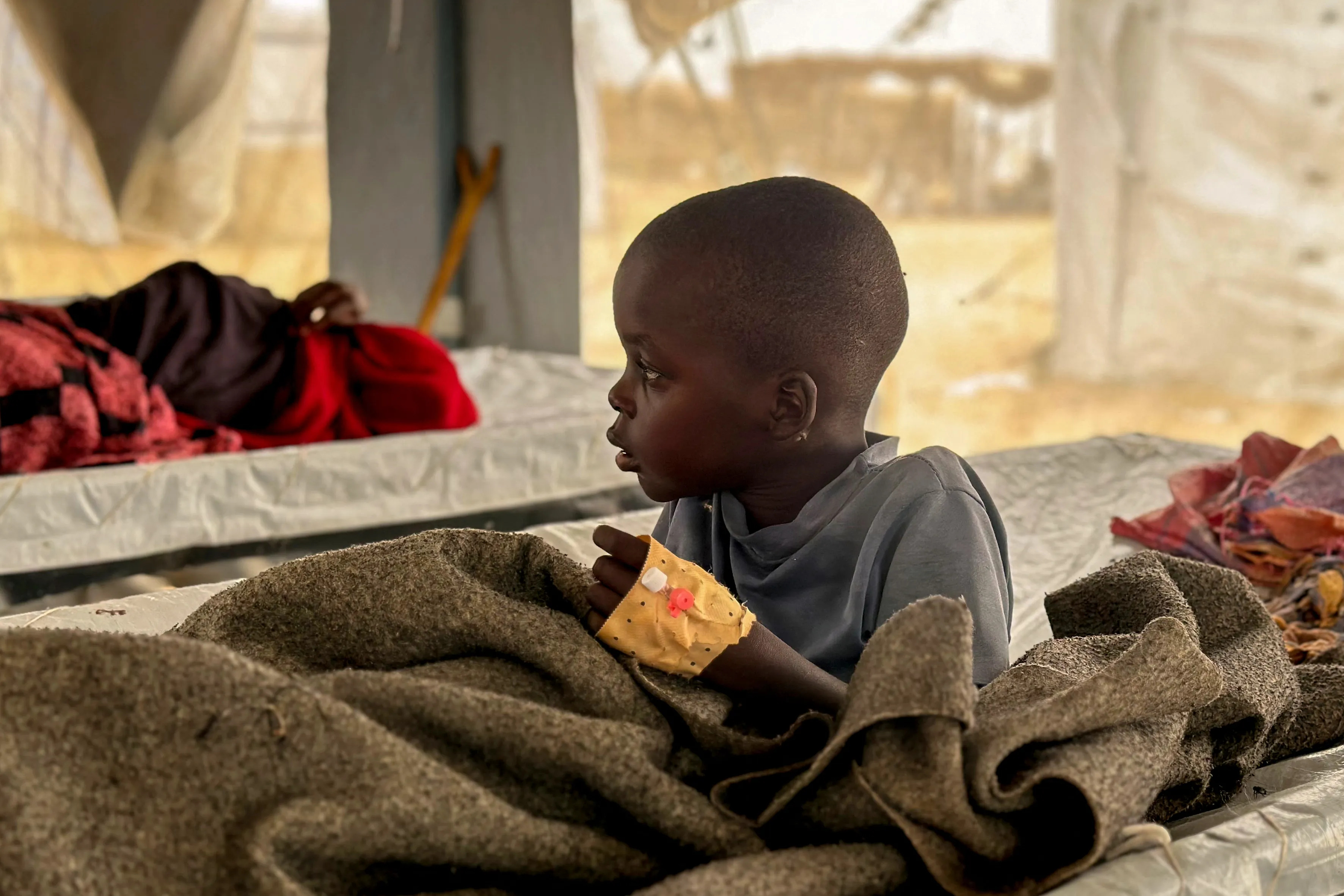
Across North Darfur state, more than 640,000 children under the age of five are at risk, according to UNICEF. [AFP]
Water is often drawn from contaminated natural sources or a handful of shallow, functional wells. Food supplies are also critically low, with the UN warning of severe shortages as aid trickles in far below the needs of hundreds of thousands of displaced people.
Sudan’s war, now in its third year, has killed tens of thousands and triggered the world’s largest displacement and hunger crisis, according to the UN. MSF has opened a 160-bed cholera treatment centre in Tawila, with plans to expand to 200 beds, and another in Daba Nyra—one of the worst-hit camps—but both are already overwhelmed.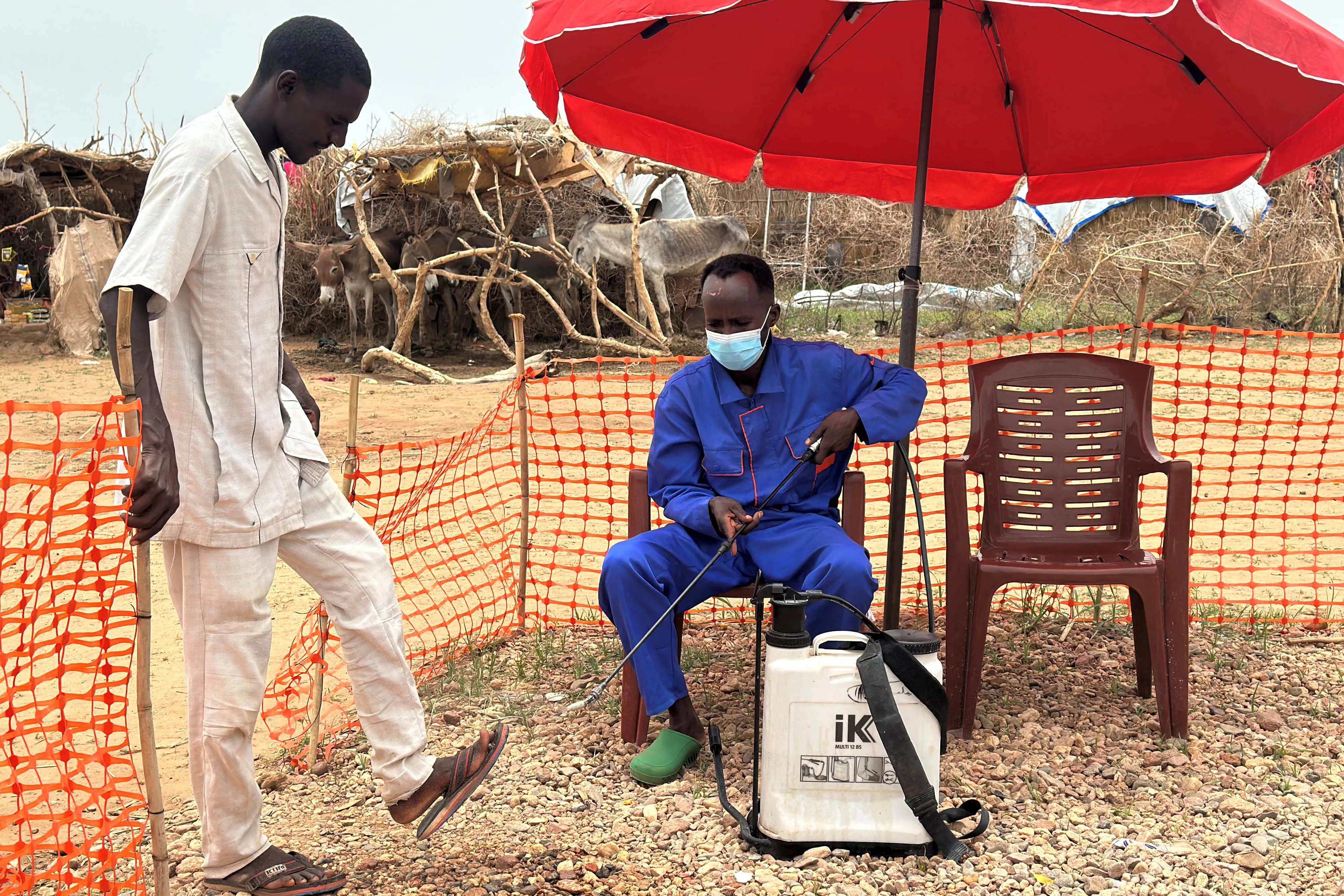
A worker disinfects a man at the entrance to a cholera isolation centre at the refugee camps in Tawila city. [AFP]
Meanwhile, aid convoys are largely blocked by fighting, with armed groups, particularly the RSF, preventing deliveries. The rainy season, peaking this month, threatens to flood water sources and accelerate the outbreak. “This is extremely worrying,” said Penicaud. “But these people have no other choice.”
Source: ALJAZEERA



