JUBA, South Sudan
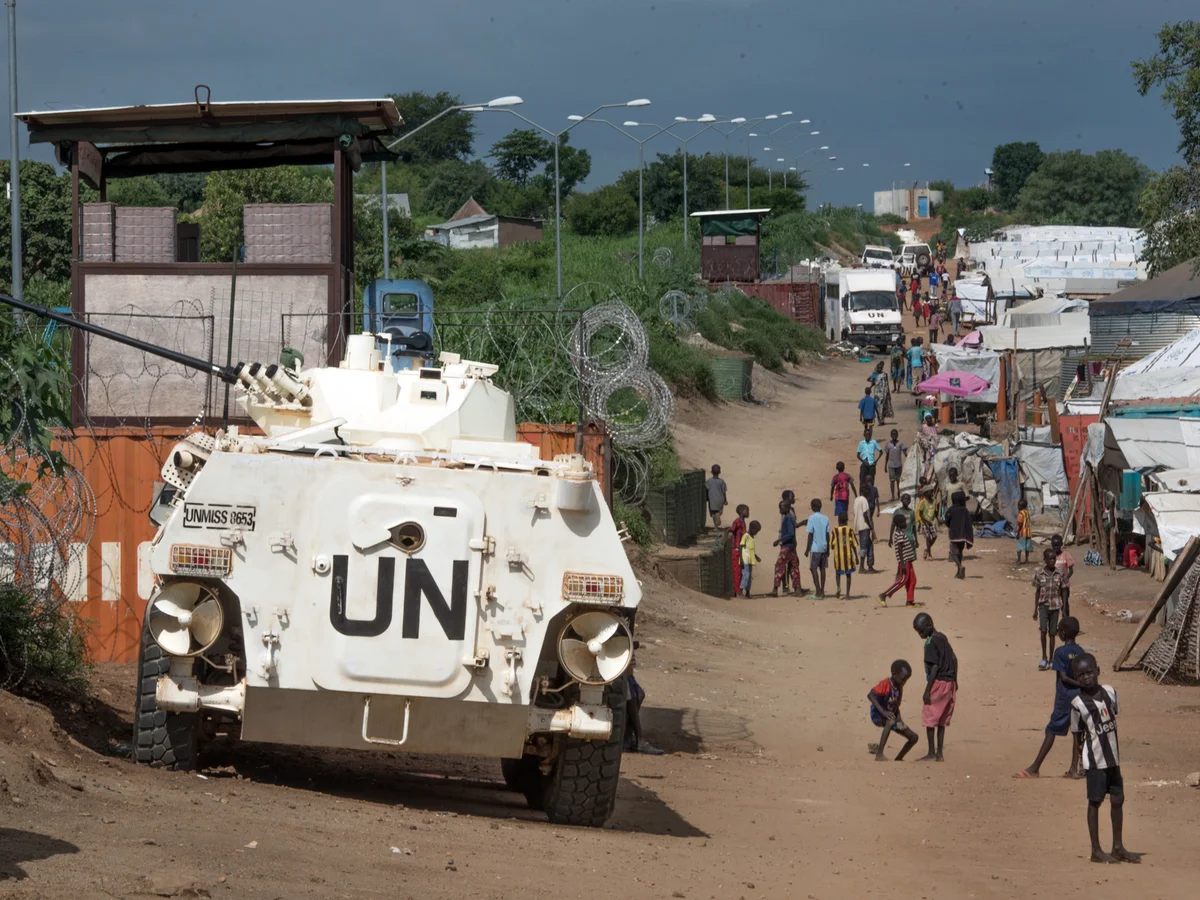
South Sudan spent this week caught between two irreconcilable messages about its own future. On Thursday, a United Nations-backed panel of independent experts warned that the country's first national elections since independence, scheduled for Dec. 22, could reignite the kind of mass violence that killed hundreds of thousands of people between 2013 and 2018 unless the government urgently restores safeguards that have been allowed to erode. Less than 24 hours later, the presidency of President Salva Kiir issued its own statement rejecting what it called external interference in the country's domestic affairs — a direct rebuff, delivered to a list of Western partners that includes the United States, the United Kingdom, Germany, Canada, Japan and Norway, of the very kind of international pressure the UN panel's warning represents. The back-to-back statements crystallize the central tension now defining South Sudan's political trajectory: a government moving toward a historic, long-delayed election while resisting the international scrutiny that rights monitors say is essential to holding that election safely.
The warning came from the UN Commission on Human Rights in South Sudan, an independent body established by the UN Human Rights Council in March 2016 and renewed annually since, made up of three unpaid, independent experts in human rights and international law: Chair Yasmin Sooka, Barney Afako and Carlos Castresana Fernández. In a statement issued Thursday from Geneva, the Commission said that "multiple risk factors for atrocity crimes are converging" in South Sudan and that "the window to prevent a return to the scale of atrocities and displacement South Sudan endured between 2013–2018 is closing, but it has not yet completely shut." The Commission's language was unambiguous about the stakes: it said that "rushing to elections" without essential safeguards for inclusive political participation risks deepening existing conflicts and heightening the risk of the very atrocity crimes recognized under international law — genocide, crimes against humanity, war crimes and ethnic cleansing.
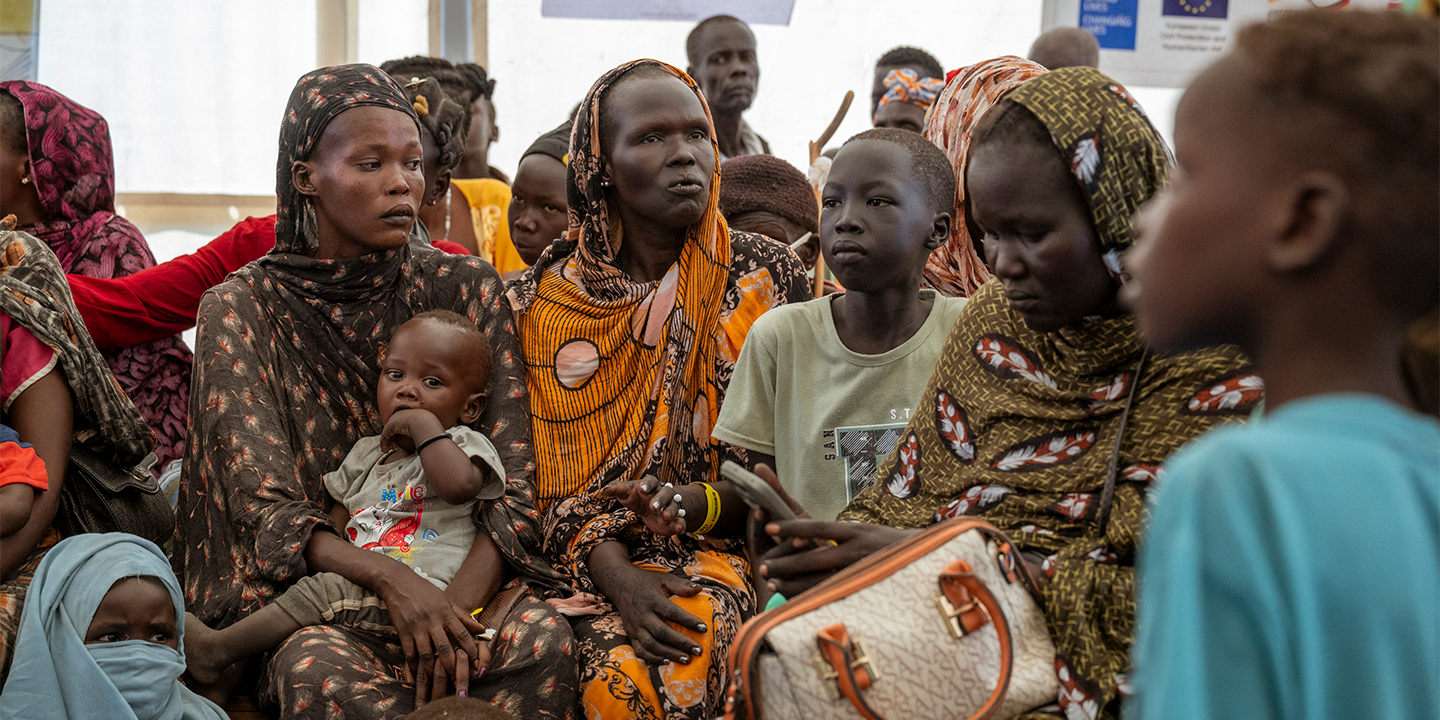
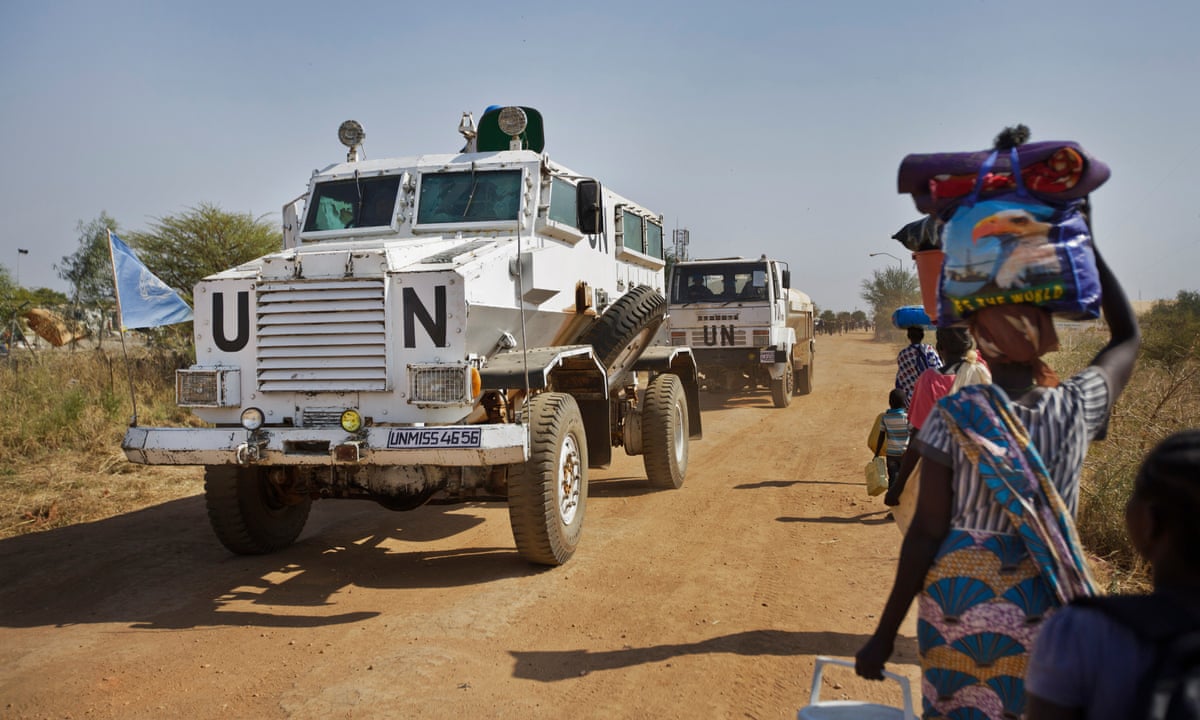
The Commission's assessment is grounded in data as much as rhetoric. It documented 407 ceasefire violations recorded between August 2025 and January 2026 alone, and pointed to a resumption of armed conflict in Upper Nile, Jonglei and Unity states, along with clashes and civilian deaths recorded in Western and Central Equatoria. Those figures matter because South Sudan's 2018 peace agreement — the Revitalized Agreement on the Resolution of the Conflict in South Sudan, known as R-ARCSS, which formally ended the country's devastating 2013–2018 civil war — remains, by the Commission's own account, almost half unimplemented nearly eight years after it was signed, including its central provision calling for the unification of the country's rival security forces. Measured against the UN's own Framework of Analysis for Atrocity Crimes, which lays out eight recognized warning signs of genocide, crimes against humanity, war crimes and ethnic cleansing, the Commission said "most are present and intensifying at once in South Sudan" — citing renewed armed conflict, weakened institutions, entrenched impunity, exclusionary governance, corruption, shrinking civic space and inflammatory rhetoric as the specific factors converging simultaneously.
Sooka, the Commission's chair, framed the moment in terms of a promise nearly a decade and a half in the making: South Sudanese citizens, she said, have "waited 15 years to cast their first ballots" and retain the right to choose their government through elections that are free, peaceful and democratic — a nod to the fact that South Sudan, which won independence from Sudan in 2011, has never held a national election as a sovereign state, with successive planned votes postponed in 2018, 2021, 2023 and 2024 amid civil war, weak institutions and what the Commission and outside analysts alike describe as President Kiir's steady consolidation of personal power. Commissioner Afako was blunter about the immediate danger: "The guns are returning while the safeguards for peaceful political competition are disappearing," he said. "That is a profoundly dangerous trajectory." Commissioner Fernández, for his part, articulated what the panel views as the actual test of legitimacy for the December vote: "An election cannot be credible simply because it is held on schedule," he said. "It is credible when citizens can vote without fear, political opponents can participate freely, courts can resolve disputes independently, and institutions can constrain the exercise of power."
That last point — the ability of political opponents to participate freely — is not abstract in South Sudan's current political climate. First Vice President Riek Machar, Kiir's longtime rival and the leader of the country's main opposition bloc under the 2018 peace deal, remains detained in Juba, where he has been held under measures his supporters describe as house arrest and has periodically appeared before proceedings his party characterizes as a politically motivated treason trial. UN experts have separately warned that Machar's prosecution is further eroding the already fragile peace agreement, and his continued detention stands as perhaps the starkest illustration of the "exclusionary governance" the Commission cited among its list of converging risk factors. With the country's most prominent opposition figure effectively sidelined from the political process ahead of a landmark election, the Commission's concerns about whether the vote can be genuinely inclusive take on immediate, concrete weight rather than remaining a matter of abstract institutional critique.
The government's response, delivered late Thursday through the presidency in a statement addressed to South Sudan's Western partners, did not directly rebut the Commission's findings but instead asserted a broader principle of sovereignty over the terms of the debate itself. "However, partnership does not mean accepting directives from other countries," the presidency said, adding that "international support for the peace process must therefore be grounded in respect for South Sudan's sovereignty and its right to determine its own political future." The statement went on to say that constitutional, judicial, security and economic reforms "must be owned and driven by South Sudanese institutions and citizens," and that while international partners could provide expertise and support, "political decisions belong to the people and institutions of South Sudan." Juba-based commentator Arok Lual, speaking to CAJ News Africa, characterized the statement as "a pre-emptive pushback designed to assert control over the country's domestic political calendar and legal matters, signalling to foreign governments and international organisations that Juba intends to set its own terms" — a response, he said, to years of international actors tying financial, humanitarian and development aid to specific reform benchmarks and governance milestones that the government is "increasingly unwilling to accept."
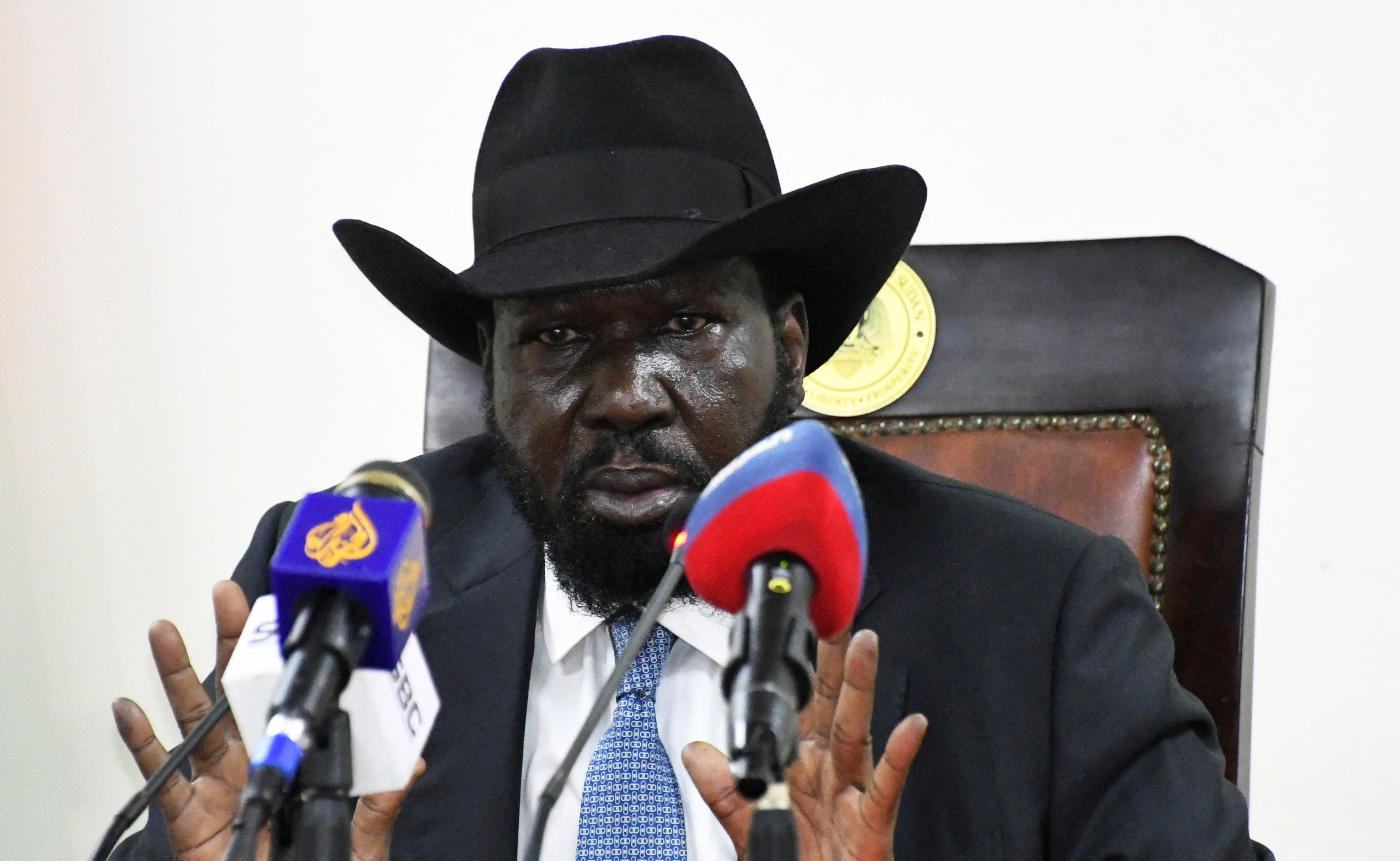
The timing of the two statements — the UN Commission's atrocity warning on Thursday and the presidency's sovereignty declaration by Thursday evening — is unlikely to be coincidental, even if South Sudanese officials have not explicitly linked the two. It reflects a government that appears determined to proceed toward its Dec. 22 election on its own terms and its own timeline, even as the international human rights architecture charged with monitoring the country's fragile peace warns that proceeding without addressing the underlying drivers of conflict amounts to a serious gamble with civilian lives. Kiir himself met this week with his Presidential Advisor for Peace, Peter Charleman Cawach, in a session the presidency said focused on "strengthening peace initiatives and ensuring that the country's peace efforts move in step with preparations for the December 2026 general elections" — language that suggests the government views the electoral timeline as fixed and is now managing the peace process around that date rather than the reverse.
What happens over the next four months will determine whether South Sudan's first election as an independent state becomes the democratic milestone its 12 million citizens have waited a generation for, or the trigger for a renewed conflict that both the UN Commission and independent analysts increasingly view as a live possibility rather than a remote one. Key indicators to watch include whether the government moves to unify the country's rival security forces as called for under the 2018 peace deal, whether Machar's legal status changes in a way that allows genuine opposition participation, whether the rate of ceasefire violations continues its documented rise, and whether South Sudan's increasingly public friction with Western partners translates into reduced international election monitoring capacity at precisely the moment the Commission says such oversight is most needed. For a country whose peace deal itself was born out of catastrophic civil war, the coming months will test whether Juba's assertion of sovereign control over its political calendar can coexist with the basic safeguards that independent monitors say are the only thing standing between a historic election and a return to atrocity.
Published By | News Editor