Written By |
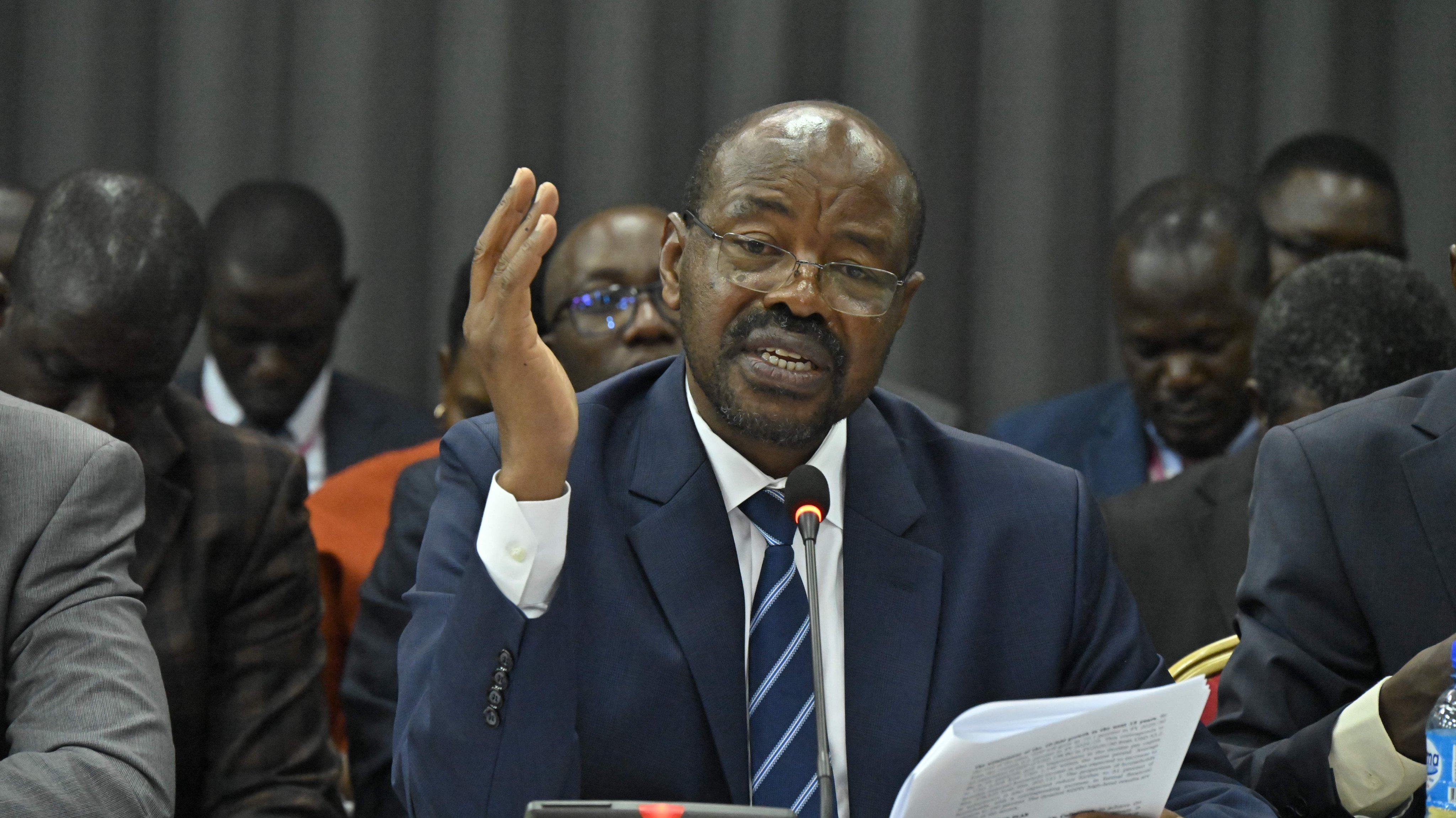
Lugoloobi noted that the country is incurring substantial costs due to delayed projects stemming from prolonged court battles over land compensation disputes
By Our Reporter
Amos Lugoloobi, Uganda's Minister of State for Planning, has called on Members of Parliament to support government-proposed land reforms that would enable the acquisition of land in the public interest for critical projects. He noted that the country is incurring substantial costs due to delayed projects stemming from prolonged court battles over land compensation disputes.
Minister Lugoloobi made the appeal while presenting the Fourth National Development Plan (NDP IV) to Parliament’s Budget Committee. The plan, set to guide Uganda’s development agenda between 2025 and 2030, emphasizes the need to address bottlenecks in project implementation.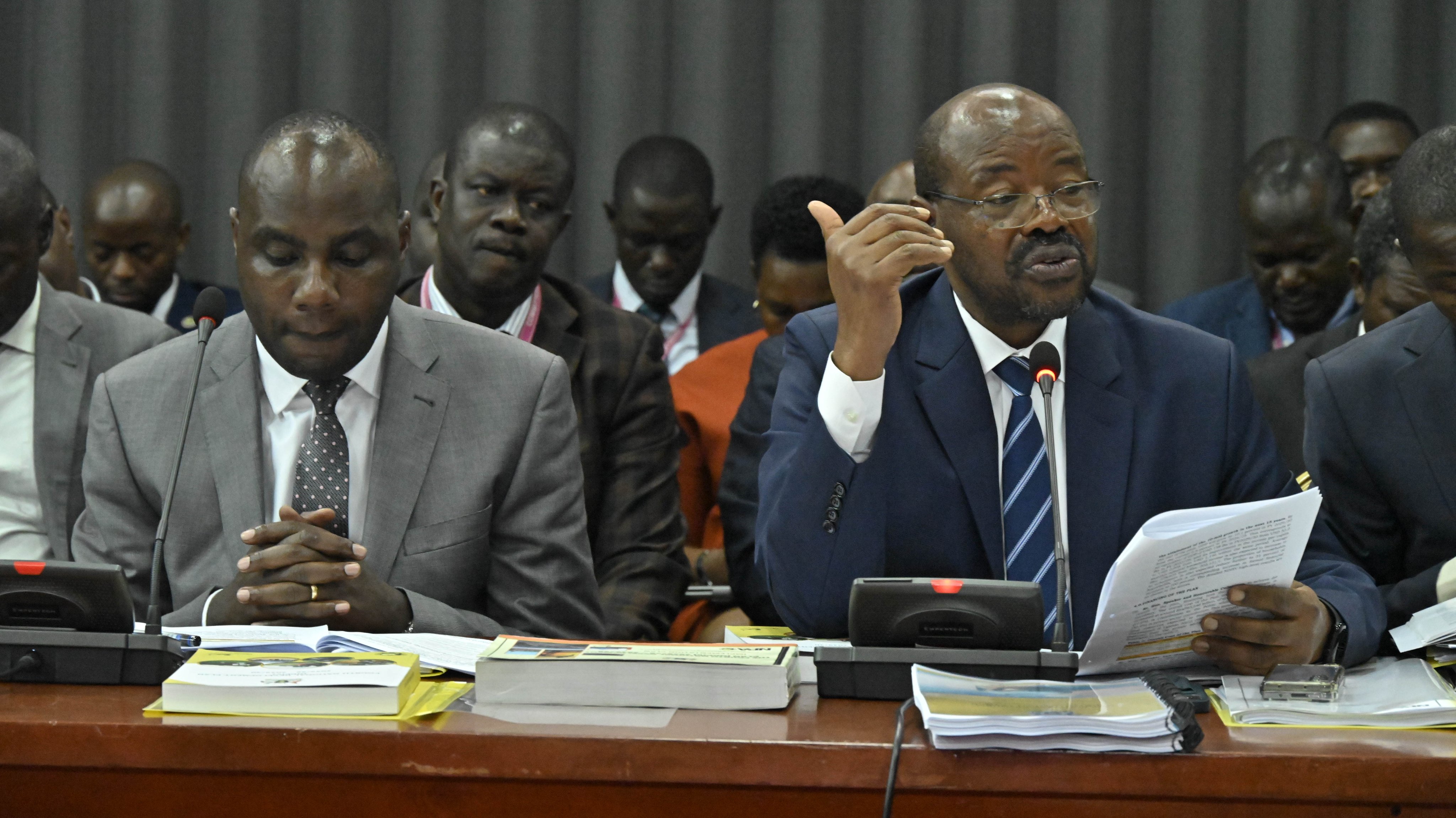
Land challenges hampering development
Highlighting the financial burden of idle loans, Lugoloobi stated, “We have borrowed a lot of money—concessional loans—and these have delayed on our books. We keep revising maturity dates due to challenges in acquiring the right of way. This is a very serious problem.”
He pointed to key infrastructure projects, such as roads and the East African Crude Oil Pipeline, where delays in land acquisition have significantly hampered progress.
“In Tanzania, it was relatively easy to start construction of the pipeline, but on the Ugandan side, it turned into a major hurdle. These challenges are costing us heavily in terms of time and commitment fees on loans,” Lugoloobi added.
The minister urged Parliament to support reforms aimed at expediting the process of land acquisition for public projects, ensuring that such delays do not derail Uganda’s development agenda.
A Vision for a Modern Kampala
In a related announcement, Minister Lugoloobi revealed ambitious plans to transform Kampala into a modern city within the next five years. The government intends to position the Kampala metropolitan area as a logistical hub for Uganda, fostering economic growth and enhancing urban living standards.
“The Kampala metropolitan area is going to be a catalyst for increasing productivity across the economy, attracting Foreign Direct Investments, boosting tourism, and delivering efficient public services,” Lugoloobi remarked.
The plans aim to address long-standing issues such as congestion, pollution, and petty crime, ultimately creating a cleaner, more efficient city that can drive economic growth and improve the quality of life for residents.
The government’s proposals, including the land reforms and urban development plans, are expected to play a central role in Uganda’s transformation under the NDP IV. However, they will require robust legislative support to overcome the structural and legal challenges currently impeding progress.
Torch Media Africa



