Written By | Staff Writer
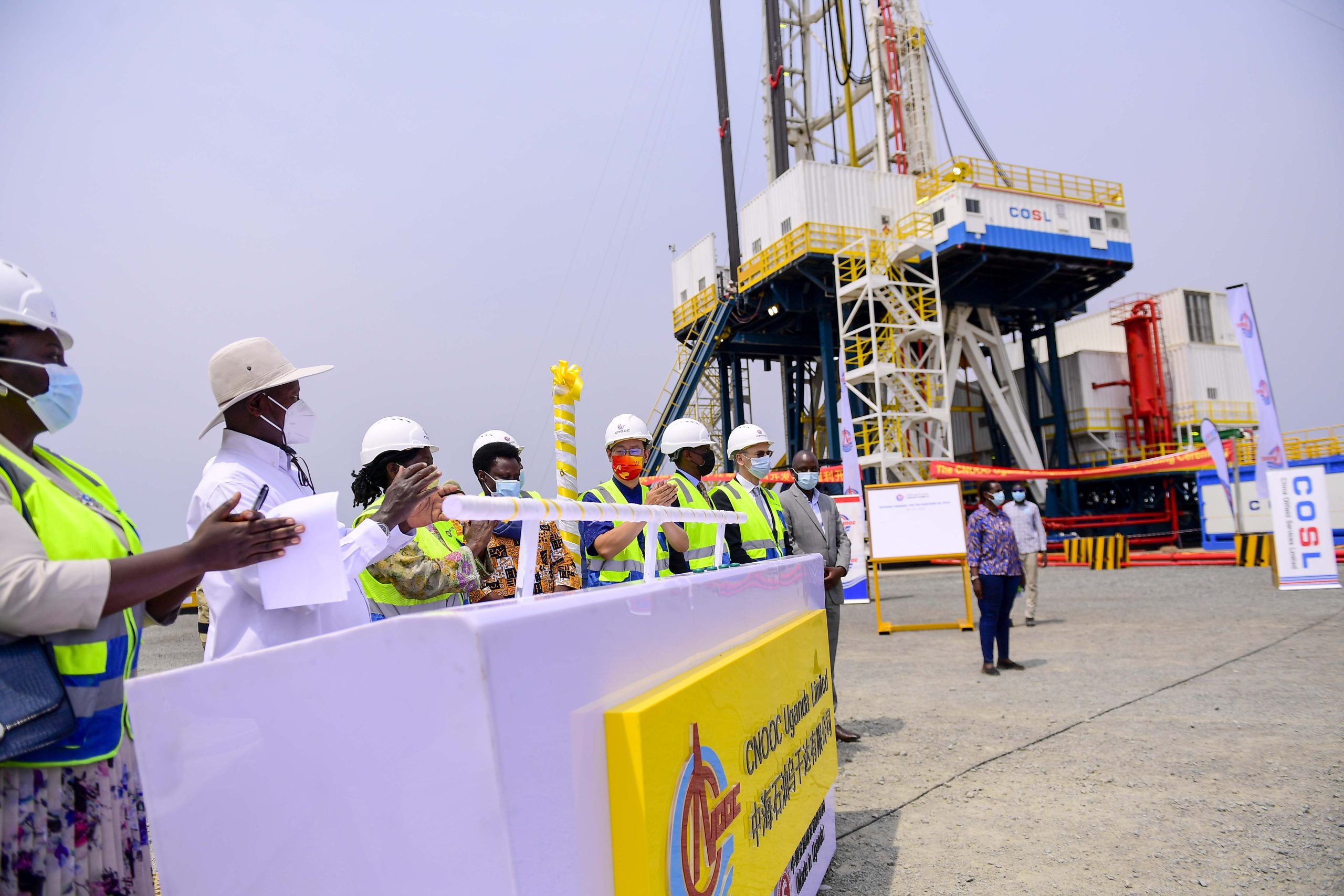
Tilenga is targeted to produce 190,000 barrels of oil per day at peak, with the smaller Kingfisher field adding a further 40,000 barrels daily
BUSINESS
Uganda's economy is entering the final stretch before what officials have long billed as a transformational moment: the country's first commercial oil production. With the Ministry of Finance's June 2026 Performance of the Economy Report confirming that real GDP expanded by 6.4 percent in the 2025/26 financial year, up slightly from 6.3 percent the year before, attention is now fixed on the 2026/27 financial year, when officials project growth could reach between 8 and 10 percent as crude oil finally begins to flow. Some forecasts, including from regional development bodies, put 2027 growth as high as 8.0 percent on a calendar-year basis, driven by extractive-sector investment, the ramp-up of oil production, and continued gains in agriculture and agro-processing.
The centrepiece of that story is the Tilenga and Kingfisher oil fields on the shores of Lake Albert, developed respectively by France's TotalEnergies and China's CNOOC, alongside the 1,443-kilometre East African Crude Oil Pipeline, or EACOP, that will carry Uganda's crude to the Tanzanian port of Tanga for export. As of the end of July, the $6 billion Central Processing Facility at Tilenga, TotalEnergies' flagship project in Buliisa district, was 68.6 percent complete, while the $5 billion EACOP pipeline itself had reached 91 percent completion. Tilenga is targeted to produce 190,000 barrels of oil per day at peak, with the smaller Kingfisher field adding a further 40,000 barrels daily. Because the three projects, Tilenga, Kingfisher, and EACOP, are operationally interdependent, Uganda's government has said it will only declare 'first oil' once all three are simultaneously ready, meaning the milestone hinges on the slowest-moving piece rather than any single project's individual timeline.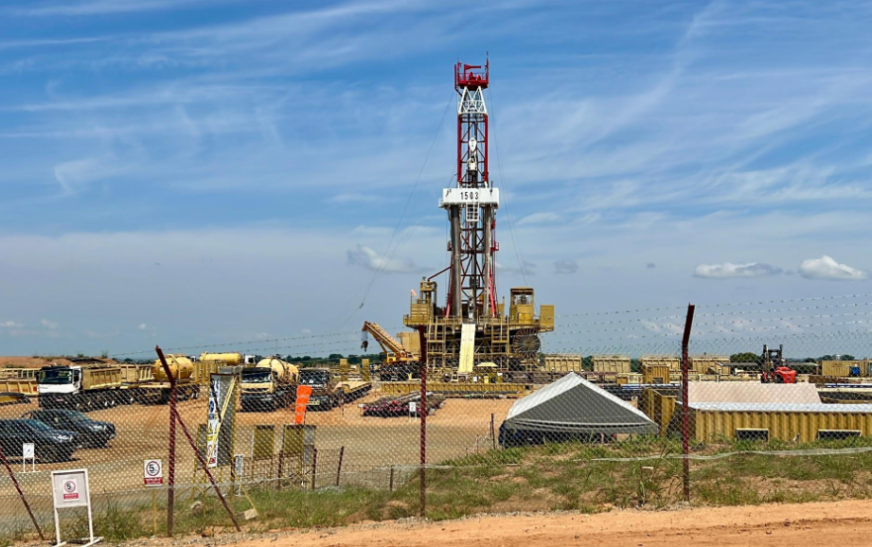
Government officials and independent trackers alike still describe first oil as on track for late 2026, though the pace of construction over the coming months will determine whether that holds. Given the scale of remaining work at Tilenga in particular, some industry observers caution that the export timeline could slip into early 2027 without a material acceleration in the final construction phase. For a country that has waited nearly two decades since oil was first discovered in the Albertine Graben, the difference between a 2026 and 2027 start date matters less for the underlying economics than it does for political messaging, particularly coming off a contested election year.
Oil is not the only bright spot in Uganda's export picture. The country cemented its position as Africa's largest coffee exporter in 2025, and coffee export earnings reached $2.2 billion in the twelve months to June 2026, a record that underscores how traditional agricultural exports continue to anchor foreign exchange earnings even as the extractives sector prepares to come online. Gold exports have also remained a significant contributor to Uganda's external accounts. Together, coffee and gold receipts have helped push Uganda's foreign exchange reserves from about $3.3 billion in January 2025 to roughly $6.7 billion by June 2026, more than doubling the country's import cover in under eighteen months and giving the central bank considerably more room to manage currency volatility than it had at the start of the decade.
On the price front, inflation has remained comfortably below target, standing at 4 percent in July against a medium-term target of 5 percent, helped along by exchange rate stability and adequate liquidity in the banking sector. That benign inflation backdrop has allowed average lending rates to ease slightly, with outstanding private sector credit expanding to 26.72 trillion Ugandan shillings, driven largely by increased lending to manufacturing and trade. Officials at the Ministry of Finance have pointed to resilient domestic demand and improved business activity as evidence that the economy has weathered global headwinds, including supply chain disruptions tied to conflict in the Middle East, better than many peers in the region.
The picture is not uniformly positive, however. Uganda's fiscal position remains under strain, with a high debt-service burden continuing to eat into the government's spending flexibility even as revenue collection improves. That fiscal pressure is part of the backdrop to an anticipated visit by an International Monetary Fund staff team to Kampala in September, when negotiators are expected to begin talks on a new IMF-backed programme. Uganda's previous arrangement with the Fund lapsed in 2024, and officials have been working since then to lay the groundwork for a successor programme that would likely combine continued fiscal consolidation commitments with support tied to managing the transition to an oil economy, a balancing act the IMF has flagged in past reviews of resource-rich frontier economies.
For businesses on the ground, the practical implications of Uganda's oil-driven growth story are already visible in sectors adjacent to the extractives industry: logistics and haulage firms positioning for pipeline-related contracts, hospitality operators in Hoima and along the EACOP route, and a wave of local content requirements that oblige international operators to source a rising share of goods and services domestically. The Uganda Investment Authority has highlighted this local content push, alongside continued industrialisation efforts and agricultural value addition, as part of a broader strategy to ensure oil revenues translate into diversified economic gains rather than a narrow windfall concentrated in a handful of multinational operators.
Looking to the months ahead, three developments will shape how Uganda's economic narrative evolves. First, construction progress at Tilenga's Central Processing Facility will be the clearest signal of whether the late-2026 first oil target holds, given it currently lags EACOP's completion rate by more than 20 percentage points. Second, the September IMF mission will test whether Kampala and the Fund can align on a new programme that addresses the debt-service burden without unduly constraining the public investment that underpins current growth forecasts. Third, whether the record coffee and gold export earnings prove durable, rather than a temporary function of favourable global prices, will determine how much of a buffer Uganda carries into the volatility that often accompanies a country's first years as an oil exporter. Taken together, these threads point to an economy at an inflection point, with genuine grounds for optimism about accelerating growth, tempered by the execution risk inherent in bringing three interdependent, multibillion-dollar energy projects online in close succession.



