Written By | Sports Desk

Miles finished the night with 21 points in a 101-89 win, pushing her season total to 790
MINNEAPOLIS
The record did not arrive on a step-back three or one of the impossible, off-balance passes that have made Olivia Miles the most screenshotted player in the WNBA this summer. It arrived on a free throw.
Second quarter, Sunday night, Target Center. The Minnesota Lynx were pulling away from the Connecticut Sun. Miles stepped to the line, exhaled, and put up the kind of shot nobody makes a highlight reel out of. It went in. With it went the single-season scoring record for a WNBA rookie — 769 points, set by Caitlin Clark in 2024, a number that had come to feel less like a statistic than a monument.
Miles finished the night with 21 points in a 101-89 win, pushing her season total to 790. The building understood what it had seen. She mostly did not react, which is very much in character.
The year she did not take
To understand why this record lands differently than most, you have to go back to the spring of 2025, when Miles did something that made almost no sense to anyone watching from outside.
She was, by consensus, in line to be a top pick in the 2025 WNBA Draft. She was a four-year starter at Notre Dame, a player whose passing vision had drawn comparisons to point guards a decade older. She withdrew. Instead of turning professional, she transferred to TCU for a final collegiate season.
The reasoning she has given since is unglamorous and, in retrospect, shrewd: she wanted more time. Miles had lost the entire 2023-24 season to a torn ACL, and the version of herself that came back was not yet the version she wanted to bring to a professional locker room. She has credited the year in Fort Worth with building the physical and mental durability the league demands — the strength to absorb contact for forty minutes, the patience to run an offense rather than simply electrify one.
It cost her a year of professional salary and a draft slot. The Lynx took her second overall on April 13, 2026. Five months later, she owns a record that the player picked first in 2024 had held for two seasons.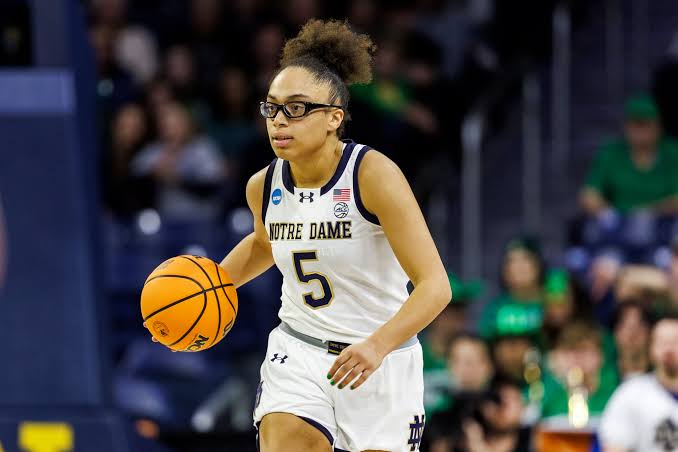
The numbers behind the highlights
Miles is the rare player whose statistical profile is as interesting as her mixtape. She is averaging 19.4 points per game, eighth in the league, and 5.7 assists, also eighth — a combination that almost no rookie manages, because rookies typically specialise in order to survive. She sits fifth in the WNBA in offensive win shares, a metric that rewards efficiency and volume simultaneously and tends to be unkind to first-year players still learning when not to shoot.
She was ahead of the pace almost immediately. Through her first 19 games she had 356 points, a total that placed her in the all-time top ten for a rookie at that stage, ahead of Diana Taurasi, Candace Parker, Clark and Paige Bueckers. She has been named Kia Rookie of the Month four times, the first Lynx rookie ever to do so, most recently for August.
There is a wrinkle to the record worth sitting with, because it cuts both ways. Clark set her mark in a 40-game season; the WNBA expanded to 44 games in 2025, which means Miles theoretically had more runway. But Miles reached the record in her 40th game of the season — the same number of games Clark needed — despite missing two games in July with a calf injury. On the only comparison that controls for schedule length, they arrived at the same place at the same time, and then Miles kept going.
A record inside a bigger argument
It has become fashionable to describe every rookie class as historic. The 2026 group has a better claim than most, with Azzi Fudd, Flaujae Johnson, Awa Fam and Kiki Rice all producing seasons that would have led the conversation in a leaner year. Miles has made that conversation a formality. Writing for Swish Appeal, the argument has shifted from whether she should be Rookie of the Year to whether she should be the first unanimous one — and, more provocatively, whether her season belongs in the MVP conversation rather than the rookie one.
That is not a small claim, and it invites the obvious pushback: scoring records are partly a function of opportunity. Minnesota handed Miles the ball and let her make mistakes in public. Not every rookie gets that runway, and plenty of very good players have had their first seasons buried behind established guards.
What complicates the pushback is the efficiency. Players given green lights tend to produce inflated raw totals and unflattering percentages. Miles has produced both the volume and the win shares, which is the harder trick.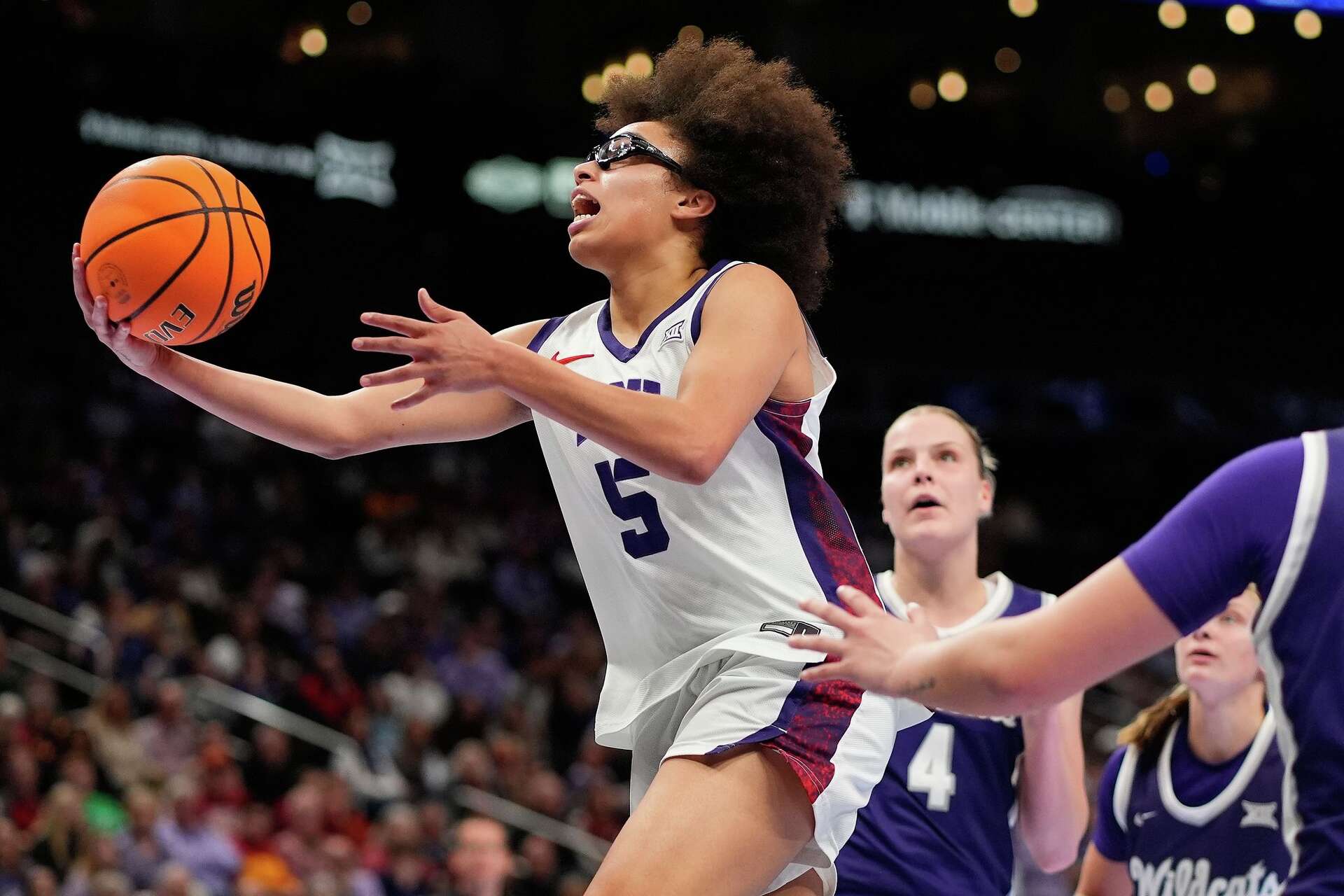
What it means if you only watch the finals
For the casual viewer, the practical takeaway is simpler than the statistical debate: the Lynx have become appointment viewing at exactly the moment the season narrows. Minnesota surged through August behind Miles, and her arrival has reframed a franchise that has spent years being described in terms of its past.
For anyone who follows the business of the sport, the more durable story is the one about the extra year. Miles is now the most visible evidence that delaying a professional debut — long treated as a failure of nerve — can be a rational investment. In an era when college athletes can earn meaningful money without turning professional, the calculus that made "declare early" an automatic choice has quietly stopped being automatic. Expect agents and athletic directors to cite Sunday night for years.
And for the record-keepers, there is a detail worth noting. Clark held the mark for two seasons. Miles now holds it with games still to play, which means the number she finishes on — not 790, but whatever it becomes — is the one the next rookie will be chasing.
The free throw was, in its way, the correct ending. Miles has spent a season being celebrated for the things that look impossible. The record came on the thing that looks like nothing at all: a player who waited an extra year to be ready, standing at the line, calmly doing the ordinary part of the job.



