Written By |

Business at Kijjungu market has attracted business people from different areas in Mbarara City. Some vendors come from Kapoala and Masaka to carry out trade. Photo: Jovita Hasto
By Jovita Hasto
MBARARA: Located in Nyamityobora Central Cell, Kakoba Ward in Mbarara City South Division, the weekly Kijungu Market draws more than 800 vendors every Saturday. They bring a wide range of commodities—mainly second-hand clothes, shoes, household items, fresh produce, and other goods—attracting buyers from across the city.
However, the growing number of vendors has made it increasingly difficult to operate safely and effectively. Many are forced to trade by the roadside or on verandahs, creating tension among vendors, shop owners, and landlords as they compete for limited space. Accidents involving moving vehicles have also raised safety concerns.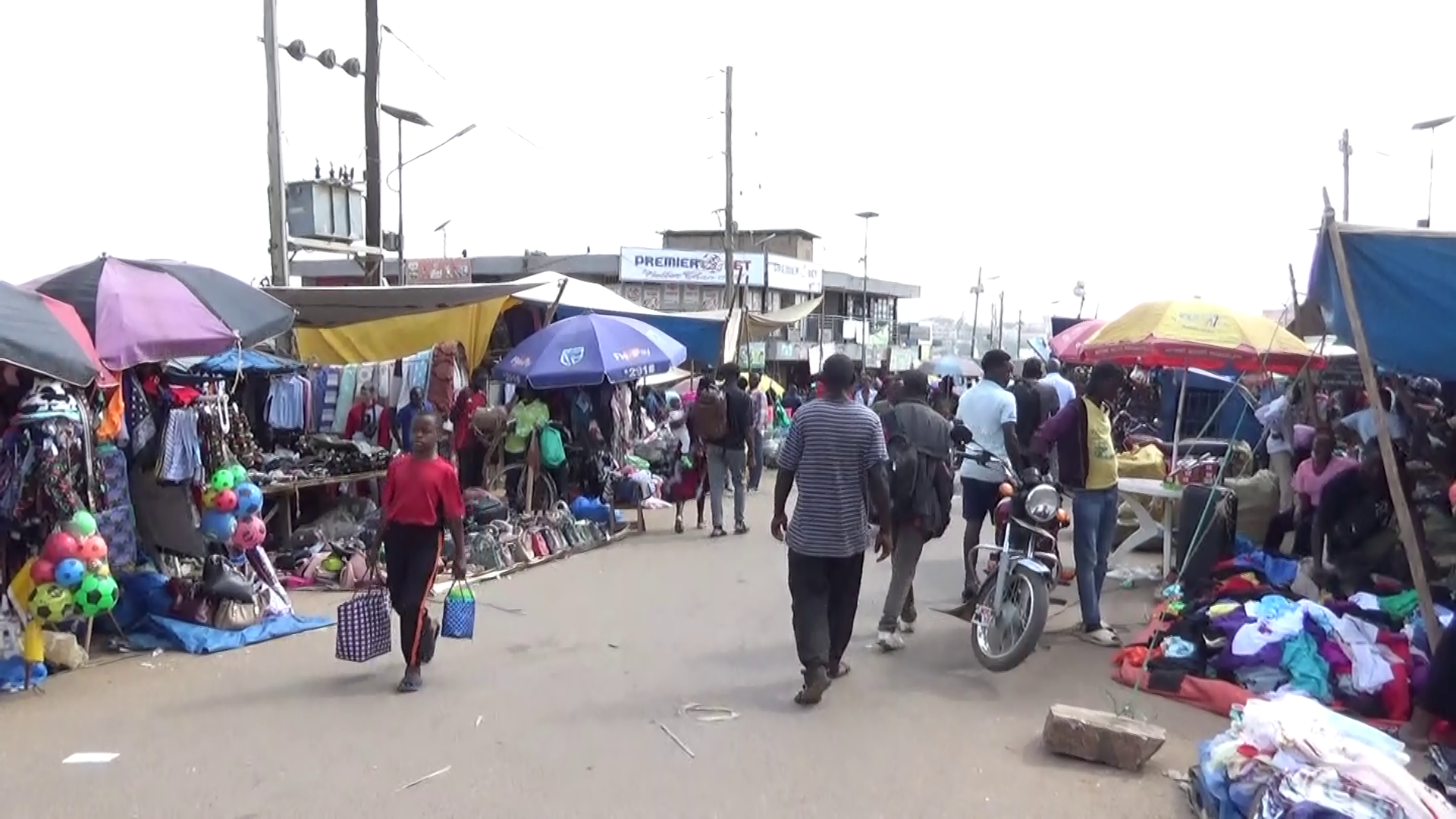
A section of vendors at Kijjungu weekly market in Mbarara City, who decry limited space in the market. (Photo: Jovita Hasto)
Mr. Ambrose Kyomukama, a shoe vendor in the market, says vendors are growing increasingly frustrated as space is taken up very early while they are still preparing their merchandise.
“We pay a license fee expecting services in return, but nothing is done. This market collects a lot of money, yet we have no designated spaces or offices where we can report our concerns. The authorities don’t listen,” Kyomukama said.
He added that the licensing fees are too high for low-capital vendors who are also competing for space. “Sometimes a vendor has just Shs 30,000 in capital, and they’re expected to pay Shs 5,000 in license fees. There should be a fixed, affordable rate. Landlords chase us off their verandahs, yet authorities only come to collect revenue and ignore our grievances.”
Ms. Devine Asiimwe, another vendor, echoed concerns over unclear license fee structures.
“The council says we should pay Shs 1,000, but collectors ask for Shs 2,000. And still, we have no space. We are forced to display our goods on people’s verandahs, and we get chased away, even though we insist on working there,” she said.
She also highlighted the poor sanitation conditions in the market.
“There are not enough toilets for all the vendors. The hygiene is really poor.”
Mr. Gideon Mukama added that overcrowding has forced vendors to occupy road pavements, obstructing traffic and increasing the risk of accidents, especially during bad weather.
“When it rains, we lose goods to running water or damage. We pay Shs 10,000 to Shs 30,000 monthly in vending rent, plus daily license fees, yet there’s no shelter or proper infrastructure,” he lamented.
Mr. Bumari Ndyanabo, the chairperson of the Kijungu Market vendors, acknowledged that the market has helped many meet their daily needs but emphasized that concerns about space and cleanliness have been ignored.
“City Council overcharges us, yet there’s no garbage management. When it rains, trenches fill up with filthy waste, and toilets are unusable. We’ve raised these concerns, but authorities only show up to collect money. When we complain, they threaten to confiscate our goods,” he said.
He also criticized the aggressive behavior of some city council officers.
“They dictate the fees, and if you complain, they take your merchandise. We need to be able to negotiate fees that are affordable.”
Mr. Muhammed Byansi, Mbarara City Councilor, admitted that weekly roadside markets pose serious safety and logistical challenges.
“Apart from Kijungu, we have Rwebikona, Katete, and Kakoba markets, all operating by the roadside. They disrupt traffic and pose risks to both vendors and buyers.”
He revealed that the city is working on relocating some markets to more appropriate spaces.
“We plan to move Kijungu Market to Rubiri Cell and others to designated areas. Our goal is to shift vendors off the roads and allow them to operate daily in safer, structured environments. Some vendors may resist, but we’ll move forward with the plan.”
Mr. Byansi also warned against illegal fee collectors.
“There may be individuals exploiting vendors by charging unauthorized fees. We’ll investigate and take action.”
Increased number of vendors at Kijjungu market has forced vendors to operate three days in a week due to limited space. (Photo: Jovita Hasto)
Mbarara City Mayor, Mr. Robert Kakyebezi Mugabe, noted that the original intent of the weekly market has been abused.
“This market was supposed to operate only on Saturdays, but now vendors are setting up from Friday to Sunday. It disrupts traffic and the city’s normal functioning.”
He assured vendors that plans are underway to secure a new, more spacious market site.
“We’re in talks with a private developer in Rubiri who has agreed to develop land for the market. Once that’s done, we’ll shift vendors there and also work on improving access and traffic management in that area.”
He urged vendors to work together and respect city guidelines.
“They should cooperate with the city and the market tenderer to set fair fees and create an organized environment that allows both traders and vehicles to move freely.”
Torch Media Africa