Written By | Staff Writer
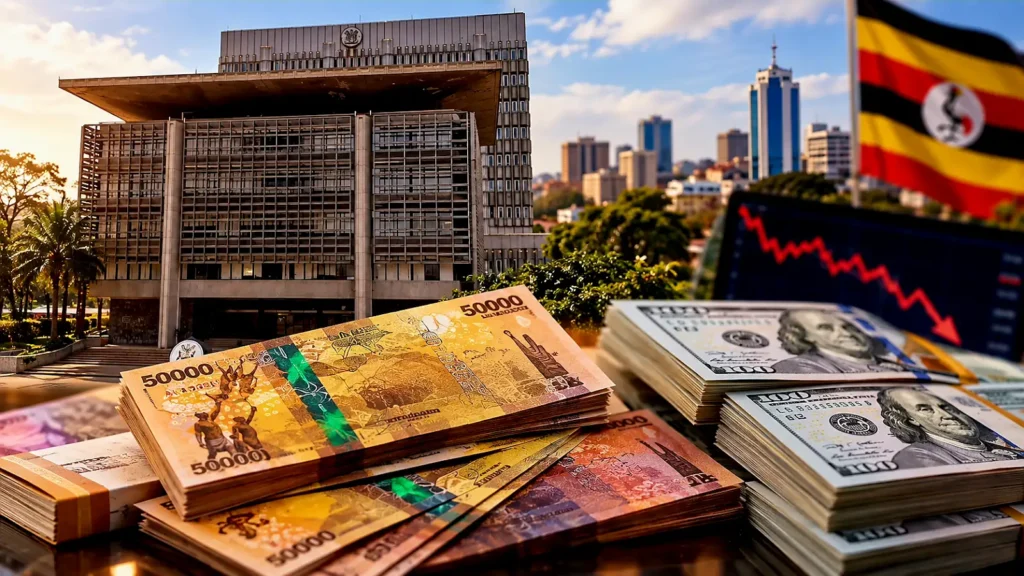
The shilling was trading at roughly 3,925 to 3,930 per US dollar on Friday, September 18 — its lowest level since February 2024 — having slid from about 3,860-3,870 just a week earlier
BUSINESS
Uganda's central bank has moved to defend a fast-weakening shilling, raising the cash reserve requirement for commercial banks from 11 percent to 13.5 percent in a bid to tighten liquidity without spending down foreign exchange reserves. The decision, announced this week and taking effect September 24, comes as the currency trades near its weakest level in more than two years and as officials from the Bank of Uganda try to reassure businesses and depositors that the situation is under control.
What Is Happening
The shilling was trading at roughly 3,925 to 3,930 per US dollar on Friday, September 18 — its lowest level since February 2024 — having slid from about 3,860-3,870 just a week earlier. One currency trader told local media the shilling could test the psychologically significant 4,000 mark if the pressure continues. In response, the Bank of Uganda raised the cash reserve ratio, the share of deposits commercial banks must hold rather than lend out, to 13.5 percent from 11 percent, effective September 24.
By requiring banks to set aside more of their deposits, the central bank reduces the amount of shillings available for lending, which tightens overall liquidity in the financial system. Central bank officials described the move as a way to strengthen "prudent liquidity management" and improve the effectiveness of monetary policy operations. Crucially, it allows the Bank of Uganda to lean against the currency's slide without directly selling down its dollar reserves in the foreign exchange market — an approach that Executive Director Adam Mugume explicitly ruled out, calling direct dollar interventions a form of "policy inconsistency" and insisting policymakers already have adequate tools to manage exchange-rate volatility.
Bank of Uganda Governor Michael Atingi-Ego sought to calm nerves, telling reporters "we've got what it takes" to stabilise the exchange rate and pointing to the central bank's track record of managing comparable episodes of pressure in 2022, 2023 and 2024, each of which saw the shilling approach the 4,000 level before recovering.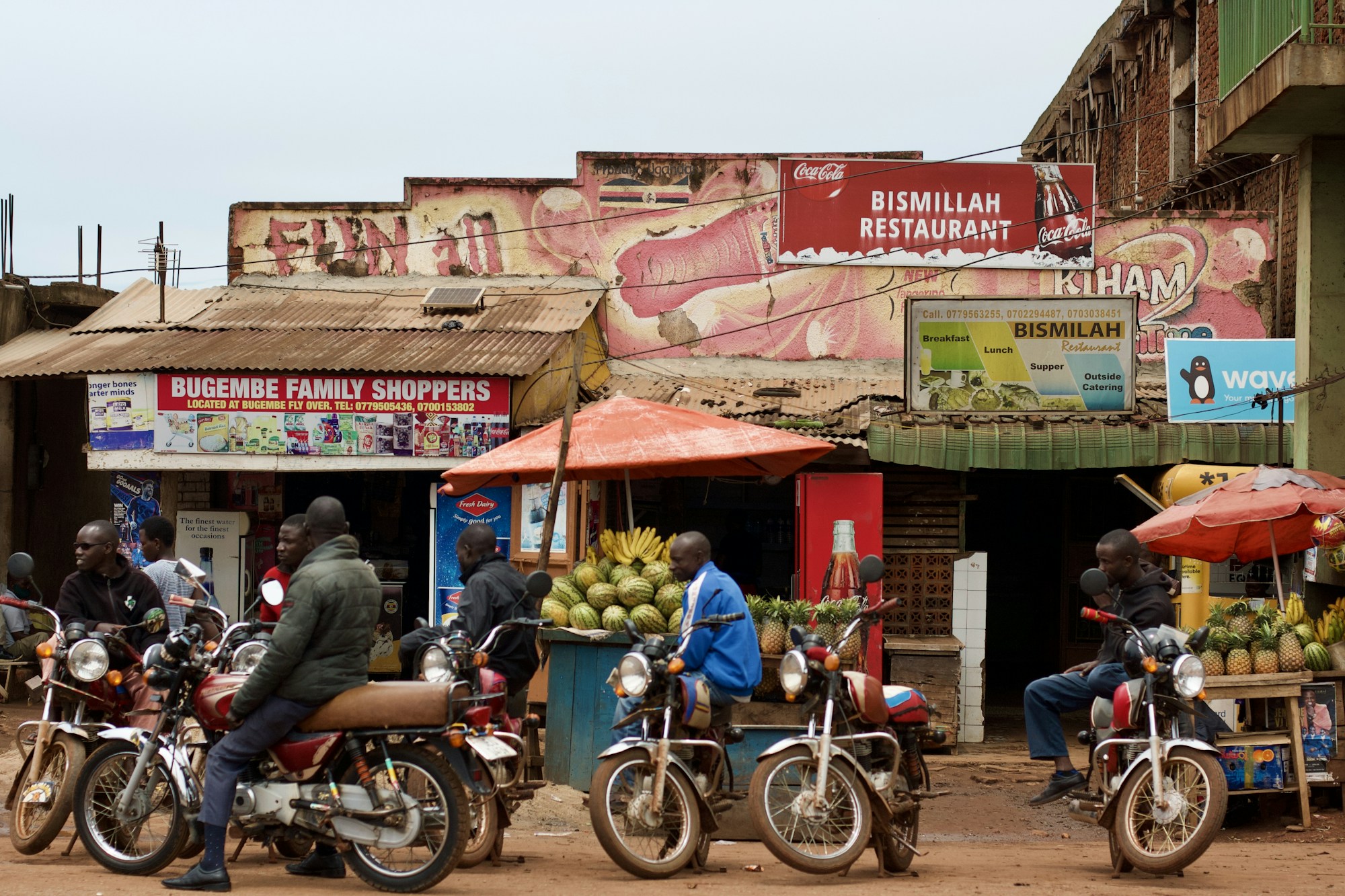
Why The Shilling Is Weakening
Officials and analysts point to a mix of global and domestic pressures. Oil prices have climbed above $100 a barrel amid escalating conflict in the Middle East and reported disruptions to Saudi Arabian energy infrastructure, driving up the dollar-denominated import bill for Uganda's fuel-dependent economy. Manufacturers and energy-sector companies — heavy importers of dollar-priced inputs and refined petroleum products — have been buying dollars more aggressively to cover near-term costs, while some businesses have reportedly been making forward dollar purchases to lock in exchange rates before further depreciation, a behaviour that itself adds to the pressure on the currency.
The episode is not without precedent. The shilling ended 2025 at around 3,620 per dollar after a strong run in which it was ranked among Africa's best-performing currencies in early 2025, appreciating roughly 6.1 percent. That volatility — sharp gains followed by renewed pressure — reflects Uganda's exposure to swings in global energy prices and dollar liquidity, given its heavy reliance on imported fuel and capital goods.
Who Is Involved
The response is being driven by the Bank of Uganda's leadership, principally Governor Michael Atingi-Ego and Executive Director for Communications Adam Mugume, who have taken a public-facing role in explaining the reserve ratio decision and pushing back on calls for the central bank to intervene directly in the currency market. Commercial banks are the most immediate parties affected by the policy, since they must now hold a larger share of deposits in reserve, directly reducing the funds available for new loans. Ugandan businesses and consumers — particularly manufacturers and importers who rely on affordable shilling-denominated credit — are the audience most likely to feel the secondary effects.
Why It Matters
For ordinary borrowers and businesses, a higher reserve requirement generally translates into tighter and more expensive credit, since banks have less capacity to lend and may raise interest rates to protect margins on a smaller loan book. Local commentary has already begun framing the move in exactly those terms, warning that loans are likely to become more expensive just as the tightening takes hold. That has fed into a broader public debate — echoed in opinion pages this week — about who ultimately bears the cost of currency stability: banks that absorb tighter margins, businesses that face pricier credit, or ordinary Ugandans confronting higher prices for imported goods and fuel in the meantime.
Beyond the immediate credit squeeze, the shilling's trajectory has wider economic stakes. A weaker currency raises the cost of imported fuel, machinery and consumer goods, which can feed into domestic inflation and squeeze household budgets. It also affects the government's own finances, given Uganda's dollar-denominated debt obligations and its reliance on imports for major infrastructure and energy projects, including the oil sector developments expected to start generating export revenue later this year. A credible, well-managed response from the central bank is important not just for near-term currency stability but for maintaining investor and business confidence in Uganda's monetary management more broadly.
What To Watch Next
The reserve ratio hike takes effect September 24, and the coming weeks will show whether it succeeds in taking pressure off the shilling the way similar tightening did during past episodes in 2022, 2023 and 2024. Traders and analysts will be watching whether the currency stabilises well short of the 4,000-per-dollar level or continues to slide despite the intervention. Also worth watching is whether global oil prices ease or remain elevated, since much of the current pressure is being driven by external, dollar-demand-side factors linked to Middle East tensions rather than purely domestic conditions. If the shilling continues weakening despite the tighter reserve requirement, pressure will likely grow on the Bank of Uganda to consider further monetary tightening or, despite its stated reluctance, some form of market intervention. On the domestic front, expect continued debate over the distributional impact of the policy — specifically, whether the burden of stabilising the currency falls disproportionately on borrowers and small businesses relative to larger, better-capitalised firms.



