Written By | Health News Agencies

Colorectal cancer has quietly become the No. 1 cancer killer of Americans under 50
PALO ALTO, Calif.
Shruti Patel has a question she now asks nearly every new patient who walks into her clinic at Stanford Medicine, and it isn't about diet, exercise or family history. It's simpler than that, and far more unsettling.
"Most of my patients are genuinely healthier than I am," Patel, a gastrointestinal medical oncologist, said recently. "They go to the gym, they cook at home, they have more muscle than I do. When I look at them, I can't explain their cancer from the known risk factors. Which tells me there is something else there."
The patients she's talking about are in their 30s and 40s. Some are in their 20s. And they all have colorectal cancer — a disease that, until recently, doctors associated almost exclusively with retirees.
That assumption has collapsed. According to a report published this year by the American Cancer Society in the journal CA: A Cancer Journal for Clinicians, colorectal cancer is now the leading cause of cancer death among both men and women under age 50 in the United States, overtaking breast cancer, leukemia and every other malignancy in that age group. It's the only major cancer where death rates in young people are still climbing while they fall for almost everyone over 65.
"After decades of progress, the risk of dying from colorectal cancer is climbing in younger generations," said Rebecca Siegel, senior scientific director of surveillance research at the American Cancer Society and the report's lead author, who is calling for urgent action on screening and public education about symptoms.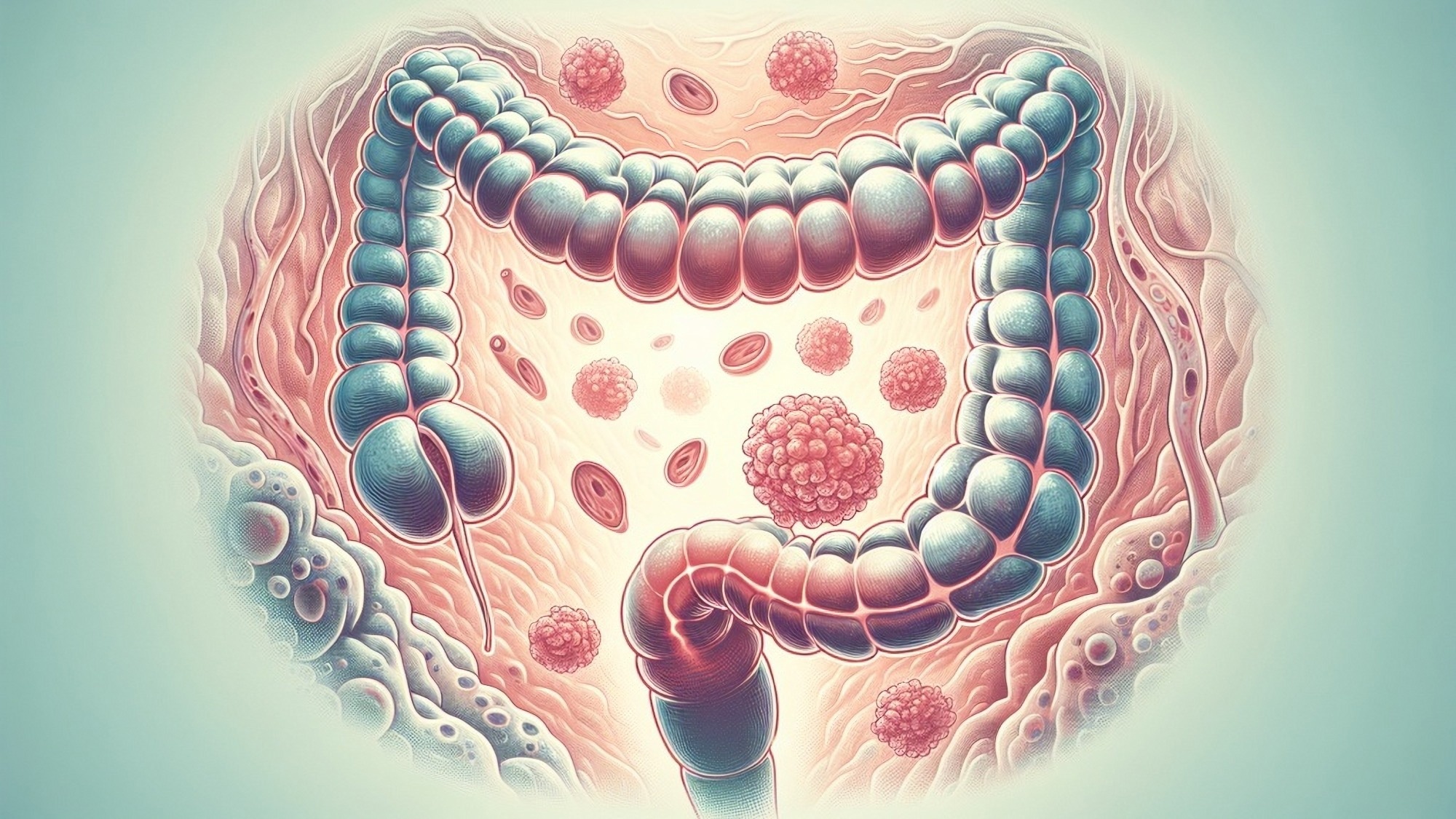
THE NUMBERS ARE STAGGERING
This year alone, the American Cancer Society estimates 158,850 Americans will be diagnosed with colorectal cancer and 55,230 will die from it. Buried in those totals is the real story: a generational shift that has researchers alarmed and, by their own admission, mystified.
Since 1994, colorectal cancer incidence has jumped 51% in people younger than 50. Since 2011, it has continued climbing about 3% every year in adults aged 20 to 49 — even as it falls by roughly 2.5% a year in people 65 and older, whose rates have benefited from decades of colonoscopy screening. Adults under 65 now make up 45% of all new colorectal cancer diagnoses, nearly double the 27% share they represented back in 1995.
The trajectory is projected to get worse before it gets better. Diagnoses among Americans in their 20s and 30s are projected to rise by 90% by 2030. Put another way: roughly 60 Americans in their 40s or younger are being told they have colorectal cancer every single day — a diagnosis in a young person roughly every 25 minutes.
Rectal cancer specifically is rising even faster than colon cancer in this age group. It now accounts for about a third of all colorectal cancer diagnoses, up from a quarter in the mid-2000s, according to American Cancer Society data.
NO VILLAIN, JUST QUESTIONS
If there's one thing that separates this story from most cancer headlines, it's the candor with which the experts admit they don't have an answer.
"There are risk factors, but there isn't a single culprit," Patel said. "Everyone in this space wants a villain. But I think the honest answer right now is that we don't know, and that's a really uncomfortable thing to hear."
Genetics can't explain a shift this dramatic in just a few decades — human DNA doesn't change that fast. That points researchers toward something environmental: a change in diet, lifestyle or exposure that took hold sometime in the mid-20th century and has been compounding ever since. Rising obesity rates and the explosion of ultra-processed foods in the American diet are both established risk factors for colorectal cancer, but experts say they don't add up to the full scale of the increase.
"Many studies suggest sedentary lifestyle and diets high in ultra-processed foods are associated with modest increases in colorectal cancer risk," Patel said. "But those numbers don't add up to the full change we're seeing. There's something else going on that we don't yet understand."
Arden Morris, a professor of surgery and health policy at Stanford Medicine who has studied colorectal cancer disparities for decades, points out that the invisible parts of modern life — the ones nobody chooses — deserve scrutiny too.
"There's a lot that's invisible to us with something like diet," Morris said. "Even if you're making healthy food choices, is this related to fertilizers, pesticides or some kind of exposure in the food chain? Right now, we don't have very good answers."
Researchers are also chasing several less-understood leads. Curtis Chong, a gastrointestinal oncologist at Stanford Medicine's Redwood City campus, points to the gut microbiome — the trillions of bacteria living in the digestive tract — as an open and active area of research. Scientists are investigating whether the microbial makeup of the colon differs meaningfully between younger and older patients, or between those who develop cancer and those who don't. Patel separately flags microplastics as an emerging area of concern, citing a growing body of lab and observational research suggesting they may contribute to intestinal inflammation. Some studies have also suggested a possible link to childhood antibiotic exposure, though the evidence there remains far from conclusive.
Notably, early-onset colorectal cancer rates in the U.S. are higher among minority populations, an observation that is driving Chong — whose Redwood City clinic serves a largely Hispanic community — to develop what may be the first early-onset colorectal cancer support program conducted in Spanish, in collaboration with Patel.
THE SYMPTOM YOU'RE PROBABLY IGNORING
Perhaps the most dangerous part of this trend isn't biological — it's behavioral. Colorectal cancer symptoms are the same at every age: rectal bleeding, changes in bowel habits, abdominal pain, unexplained weight loss, fatigue, nausea and anemia. The problem is that in a 32-year-old, those symptoms almost never trigger a cancer workup.
Morris says bleeding in younger patients is routinely written off as hemorrhoids and can go undiagnosed for months. Stomach cramps get blamed on diet, food intolerances, irritable bowel syndrome or stress. Often, the first symptom anyone takes seriously is a full bowel obstruction — meaning the tumor has already grown large enough to physically block the intestine.
The consequences of that delay are measurable. One Stanford Medicine study found that younger patients take 40% longer to be diagnosed with colorectal cancer than older patients. By the time they finally are diagnosed, nearly three in four patients under 50 already have advanced disease.
"If you're having weight loss, fatigue, anemia or changes in your bowel habits, ask your doctor directly: Could this be a young-onset colorectal cancer?" Chong urges. "Primary care physicians may see only a handful of these cases in their entire career, so it's OK to raise it yourself."
Patel has an even more direct piece of advice, and it isn't glamorous.
"I tell my patients: Check your poop once a week," she said. "Know what's normal for you. If something changes — color, consistency, frequency — write it down and bring it to your doctor."
WHEN TO GET SCREENED
In 2021, alarmed by the early data on rising young-adult rates, the U.S. Preventive Services Task Force lowered the recommended age to begin colorectal cancer screening from 50 to 45. Some of the recent jump in diagnoses among 45- to 50-year-olds is likely a byproduct of that change — more screening finds more cancer — but experts stress it doesn't explain the whole trend, since rates were already rising well before 2021 and continue rising sharply in people under 45, who mostly aren't being screened at all.
For anyone at average risk with no symptoms and no family history, the guidance is to begin screening at 45, using one of several options: a colonoscopy, which examines the entire colon and can remove precancerous polyps in the same procedure, typically repeated every 10 years; a stool-based test like Cologuard or FIT, done annually to once every three years at home; or Shield, a newer blood-based test that screens for circulating tumor DNA every three years.
If a parent or sibling has had colorectal cancer, most guidelines call for screening to begin 10 years before the age that relative was diagnosed. And if you're already having symptoms — regardless of your age — doctors say skip the at-home test and go straight to a colonoscopy, which is both diagnostic and therapeutic.
"Colonoscopy is preferred because it's not only diagnostic; it's also therapeutic," Chong said. "If there's an early-stage polyp, removing it right then and there can cure the cancer."
THE HIDDEN COST OF A YOUNG DIAGNOSIS
A cancer diagnosis in your 30s or 40s doesn't just threaten your health — it can upend a career, a marriage, a mortgage and a family's plans for children, all at once. A study led by Morris and published in the Journal of the American Medical Association found that only 55% of colorectal cancer patients managed to keep their job throughout treatment.
"I have patients who have had to move back in with their parents," Patel said. "I have patients who have lost their homes. The financial toxicity of cancer at this age is something that doesn't get talked about enough, and it must be part of the conversation from day one."
Fertility is often the most time-sensitive decision facing younger patients. Chemotherapy carries only about a 5% risk of ovarian or testicular failure, but radiation for rectal cancer raises the risk of ovarian failure dramatically, to somewhere between 70% and 80%. Doctors say fertility preservation — including banking eggs or sperm, or surgically relocating ovaries out of the radiation field — needs to be discussed immediately after diagnosis, not as an afterthought.
And the risks don't end with successful treatment. Survivors face long-term issues including bowel and sexual dysfunction, pelvic floor complications, and, for some, an ostomy — a surgically created opening used to divert waste — which can affect body image and the return to normal life. Roughly one in six people treated for early-onset colorectal cancer goes on to develop a second, unrelated primary cancer, sometimes as many as 10 to 15 years after the original diagnosis, underscoring the need for lifelong follow-up care.
TREATMENT IS EVOLVING FAST
There is real reason for hope embedded in the alarming statistics. Colorectal cancer, caught early, is highly treatable, and even advanced-stage disease now has more effective options than it did a decade ago. Treatment protocols are largely similar regardless of a patient's age, since the genetic mutations driving the disease tend to be the same in young and old patients alike.
Surgery remains the frontline treatment for cancer that hasn't spread, with minimally invasive techniques leading to faster recovery. Chemotherapy and radiation are typically layered on for more advanced cases — though Patel cautions against assuming more aggressive treatment automatically means better outcomes. "Throwing the kitchen sink at someone upfront doesn't necessarily extend survival," she said. "And it can deplete your options on the back end. Treatment must be tailored, not just maximized because someone is young."
The most exciting frontier may be immunotherapy, which harnesses a patient's own immune system to attack tumor cells and works especially well in colorectal cancers with certain genetic mutations. Morris points to a small study in rectal cancer patients in which the approach produced striking results. "Every single patient in that study had the cancer completely melt away," she said. Researchers are now investigating whether that immunotherapy-responsive subtype of cancer is more common in younger patients — a question that, if answered favorably, could be a genuine bright spot in an otherwise grim trend.
Chong expects the treatment pipeline to expand meaningfully in the coming years, pointing to RAS inhibitors — a class of targeted drugs currently in late-stage trials for pancreatic cancer — as a likely next addition to the colorectal cancer arsenal.
WHAT THIS MEANS FOR YOU
If you're under 45 and have noticed a persistent change in your bowel habits, unexplained rectal bleeding, ongoing abdominal pain, unintended weight loss or fatigue that won't go away, doctors say don't wait it out and don't assume you're too young. Bring it up with your doctor directly and, if needed, insist on further evaluation — primary care physicians may genuinely never have encountered a young colorectal cancer patient before and may not think to look for one. If you're 45 or older, get screened, even if you feel perfectly healthy; the disease frequently causes no symptoms until it's advanced. And if a parent or sibling has had the disease, talk to your doctor now about starting screening earlier than the standard guidelines suggest.
Beyond the doctor's office, oncologists broadly recommend limiting processed and red meat, staying physically active at least three days a week, moderating alcohol intake, and maintaining a healthy weight — not because these fully explain the rise in young people, but because they remain the clearest levers available while researchers race to identify what else is driving the trend.
THE BOTTOM LINE
Colorectal cancer's takeover as the top cancer killer of people under 50 isn't the result of one bad habit or one contaminated product — it's a slow-moving, still-unexplained shift that has quietly outpaced the medical establishment's assumptions about who gets this disease. Scientists are chasing leads from microplastics to the gut microbiome to childhood antibiotic use, and none of them yet fully explain what's happening. Until they do, the single most powerful tool available to a 30- or 40-year-old is awareness: knowing the symptoms, refusing to dismiss them, and being willing to ask a doctor the uncomfortable question — could this be cancer? — before the disease has the chance to spread. As Chong puts it, primary care doctors may only see a handful of cases like this in their entire careers. For a growing number of young adults, being your own advocate isn't optional anymore. It may be the thing that catches the disease in time.
If you are experiencing distressing symptoms or are worried about your own or a loved one's health, please consult a licensed medical professional; this article is intended for general information and is not a substitute for personalized medical advice.