Written By |
Africa is witnessing the rise of AI hubs in countries like Kenya, Nigeria, South Africa, Ghana, Uganda, and Rwanda
OPINION
Artificial Intelligence (AI) is revolutionizing industries and societies globally, and Africa is increasingly becoming a part of this transformation. AI's ability to process vast amounts of data and automate tasks offers potential solutions to some of the continent's most pressing issues, including healthcare, education, agriculture, and financial inclusion. In this article, I explore the current trends of AI adoption in Africa, its future trajectory, and the usability of AI and furthermore, examples of companies at the forefront of AI innovation in Africa are highlighted.
1. Emerging AI Hubs and Government Initiatives
Africa is witnessing the rise of AI hubs in countries like Kenya, Nigeria, South Africa, Ghana, Uganda, and Rwanda. These countries are actively investing in AI technologies to drive innovation and economic growth. For instance, in Kenya, Twiga Foods uses AI to streamline food supply chains by predicting demand and reducing waste. In South Africa, Aerobotics utilizes AI and drones for precision agriculture, helping farmers manage crops through AI-driven insights. Additionally, DataProphet in South Africa leverages AI to improve manufacturing processes by predicting equipment failures and enhancing productivity. In Nigeria, Kudi.ai uses AI to provide financial services to underserved populations, allowing users to make payments and access loans through AI-powered chatbots. Rwanda's Zindi is an AI competition platform that brings together data scientists across Africa to solve real-world challenges using machine learning. Andela, a pan-African tech company, trains software engineers and AI specialists to bridge the talent gap in AI development across the continent. In Ghana, mPharma uses AI to manage pharmaceutical supply chains and ensure medicine availability in remote areas.
2. AI in Healthcare
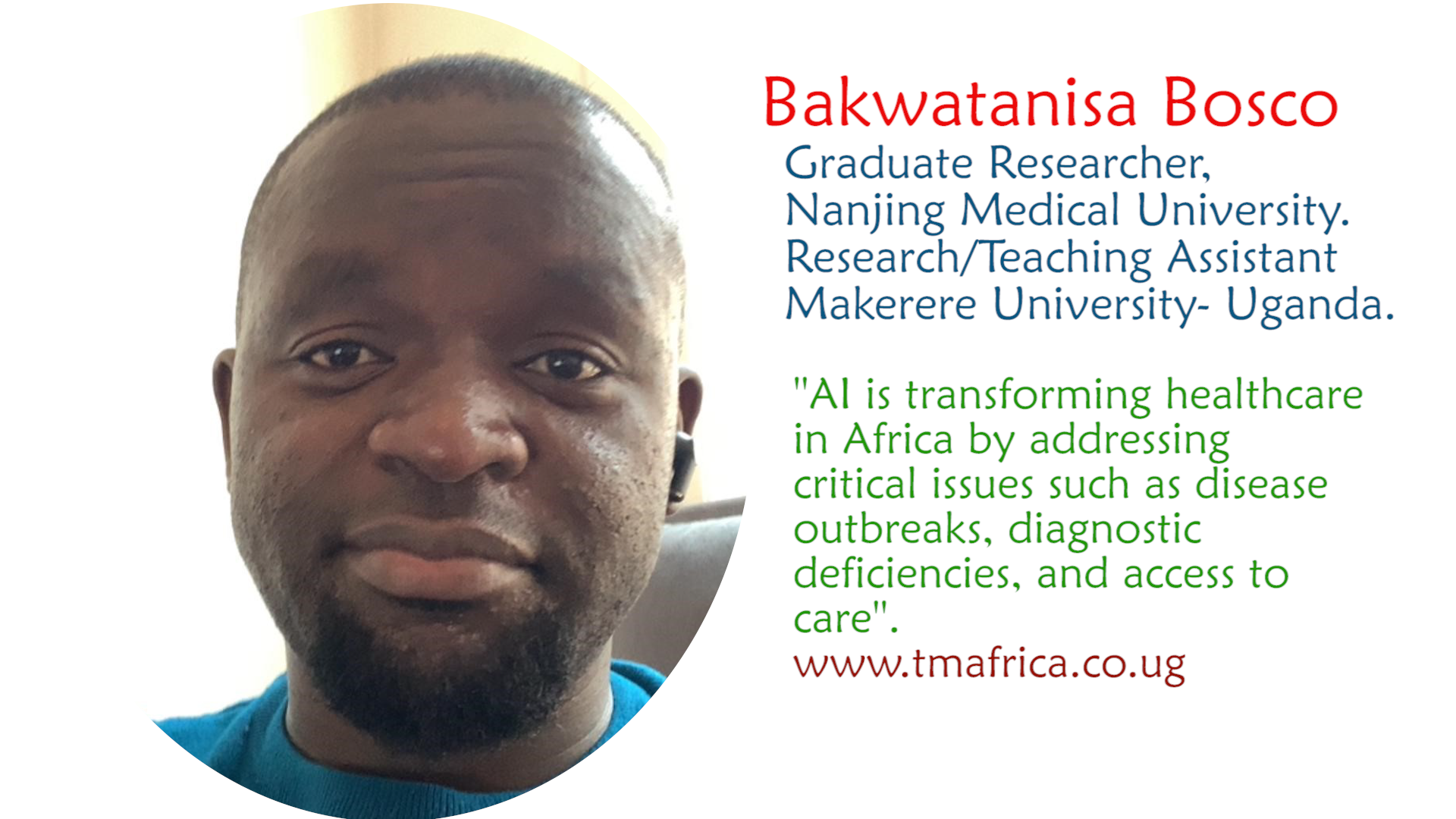
AI is transforming healthcare in Africa by addressing critical issues such as disease outbreaks, diagnostic deficiencies, and access to care. Several companies are pioneering AI applications in healthcare: Zipline (Rwanda and Ghana), an AI-powered drone delivery service transports medical supplies, including blood and vaccines, to remote areas, improving access to healthcare. Deep Learning Indaba (South Africa develops AI models for diagnosing diseases, particularly in medical imaging, where AI algorithms assist in analyzing X-rays and CT scans. 54gene (Nigeria): 54gene applies AI to genetic research to uncover health trends in African populations and develop personalized medicine. LifeBank (Nigeria): This startup uses AI and data analytics to deliver critical medical supplies to hospitals. Vezeeta (Egypt): An AI-powered healthcare platform that connects patients with doctors and allows online booking for consultations. BlueHealth AI (South Africa): Provides AI-driven healthcare analytics solutions for patient care and hospital management. Babylon Health (Rwanda): Through its partnership with the Rwandan government, Babylon offers an AI-powered telemedicine service that provides medical consultations and diagnostics via mobile phones. Butterfly iQ (Kenya): AI-powered portable ultrasound devices that are helping to overcome the scarcity of healthcare professionals by allowing non-specialists to perform diagnostic imaging. These companies showcase how AI is playing a role in improving access to care, diagnostics, and healthcare delivery across Africa, particularly in underserved communities.
3. AI in Agriculture
AI in agriculture holds enormous potential in improving productivity and addressing food security challenges in Africa. By utilizing AI to optimize farming practices, companies are helping farmers make data-driven decisions and these include Hello Tractor (Nigeria): Known as the "Uber for tractors," Hello Tractor uses AI to connect small-scale farmers with tractor owners, optimizing farm operations and increasing yields. FarmDrive (Kenya): Uses AI to assess creditworthiness of smallholder farmers by analyzing alternative data, enabling them to access loans for agricultural inputs. Aerobotics (South Africa) uses drones and AI-powered analytics to help farmers monitor crops, detect pests, and optimize yields through precision agriculture. WeFarm (Kenya), an AI-driven platform where farmers can ask questions and receive advice on farming practices via SMS, facilitating knowledge sharing and problem-solving. AgriPredict (Zambia) utilizes AI to predict crop diseases and provide farmers with early warnings, helping them take preventive measures. IBM Digital - Farming Initiative (South Africa) collaborates with local farmers, applying AI for real-time weather forecasting and crop management. Cape Analytics (South Africa) applies AI to aerial imagery to help farmers monitor water usage, soil quality, and potential risks. SunCulture (Kenya), AI-powered solar irrigation systems to optimize water usage and increase productivity for smallholder farmers. These companies exemplify how AI is being used to empower farmers with data-driven insights, improve crop yields, and combat challenges such as climate change, food security, and resource management.
4. AI in Education
AI's application in education is transforming the sector by offering personalized learning experiences and increasing access to quality education across Africa. The following companies are leading AI-driven educational solutions: M-Shule (Kenya): An AI-powered platform that delivers personalized education via SMS, allowing students in low-resource environments to access quality learning materials. ScholarX (Nigeria): Uses AI to connect students with scholarships, mentoring, and educational opportunities based on their academic profiles. Eneza Education (Kenya): An AI-powered platform that provides interactive, mobile-based education to students in remote and underserved areas. Kio Kit (Kenya): AI-enhanced digital content that enables personalized learning for children in rural and underprivileged communities. Ulesson (Nigeria): AI-driven educational app that provides video lessons and quizzes to students across Africa, particularly for STEM subjects. EdTech Hub (Rwanda): Utilizes AI to monitor student progress and recommend personalized educational content based on individual needs. Tuteria (Nigeria): A platform that connects students with qualified tutors using AI to match based on location, subject, and budget. Mwabu (Zambia): AI-driven e-learning platform designed to provide curriculum-based educational content in African languages. These companies and many others are making significant strides in ensuring that education in Africa is more inclusive, personalized, and accessible, particularly for students in remote areas.
5. AI in Financial Inclusion
AI is playing a pivotal role in enhancing financial inclusion across Africa, providing financial services to previously underserved populations. The following companies are using AI to democratize access to financial services: Flutterwave (Nigeria): An AI-driven payment platform that allows businesses and individuals to make cross-border transactions quickly and efficiently. Jumo (South Africa): Uses AI to provide personalized financial products, including savings and loans, to individuals who lack traditional credit histories. Kudi.ai (Nigeria): AI-powered platform that allows users to perform financial transactions through a chatbot interface, making financial services more accessible. Branch International (Kenya): Uses AI to offer microloans to individuals based on mobile data and user behavior analysis. Tala (Kenya): AI-powered app that uses alternative data to provide quick loans to underbanked individuals, offering financial services without the need for formal credit history. Fawry (Egypt): Uses AI to offer bill payments, mobile banking, and financial services through a mobile platform. Paystack (Nigeria): An AI-driven payment gateway that simplifies online payments for African businesses and connects them to global payment systems. Interswitch (Nigeria): AI-powered fintech company providing digital payment solutions, allowing users to transact seamlessly across different platforms. These companies are at the forefront of using AI to bring financial services to underserved populations, promoting financial inclusion and economic empowerment across Africa.
In conclusion, the current and future trends of AI adoption in Africa highlight the continent’s potential to leverage this transformative technology for societal benefit. From improving healthcare outcomes and enhancing agricultural productivity to increasing financial inclusion and transforming education, AI is poised to play a pivotal role in Africa’s development. Ethical considerations surrounding data privacy, bias, and inequality must be addressed to ensure responsible AI adoption. As AI adoption continues to grow, it is crucial to develop homegrown talent and expertise to address Africa’s unique challenges. Local expertise is necessary to tailor AI solutions to meet the continent's specific needs, ensuring that the technology contributes to sustainable development and inclusive growth across Africa. The responsible and ethical integration of AI into various sectors will undoubtedly shape Africa’s future, bringing innovation, economic development, and improved quality of life for millions.
The writer is a Graduate Researcher
Nanjing Medical University,
Research/Teaching Assistant
Makerere University- Uganda.



