PARLIAMENT
Leader of Opposition Joel Ssenyonyi and civil society actors have raised strong concerns over the proposed Sovereignty Bill, warning that its passage could isolate Uganda from the international community, reduce foreign investment, and undermine innovation.
The concerns were raised during the unveiling of the 2026/27 Alternative Budget Priorities at Parliament, where opposition leaders and activists cautioned against what they described as far-reaching implications of the proposed law.
Ssenyonyi warned that Uganda’s economic and development trajectory is closely tied to global partnerships, and any legislation that appears to disregard international obligations could have serious consequences.
“We must recognise that Uganda does not exist in isolation. Our economy, security, and development are deeply connected to regional and global systems,” he said.
“A law that appears to withdraw Uganda from these frameworks risks isolating the country, discouraging investment, and undermining economic stability.”
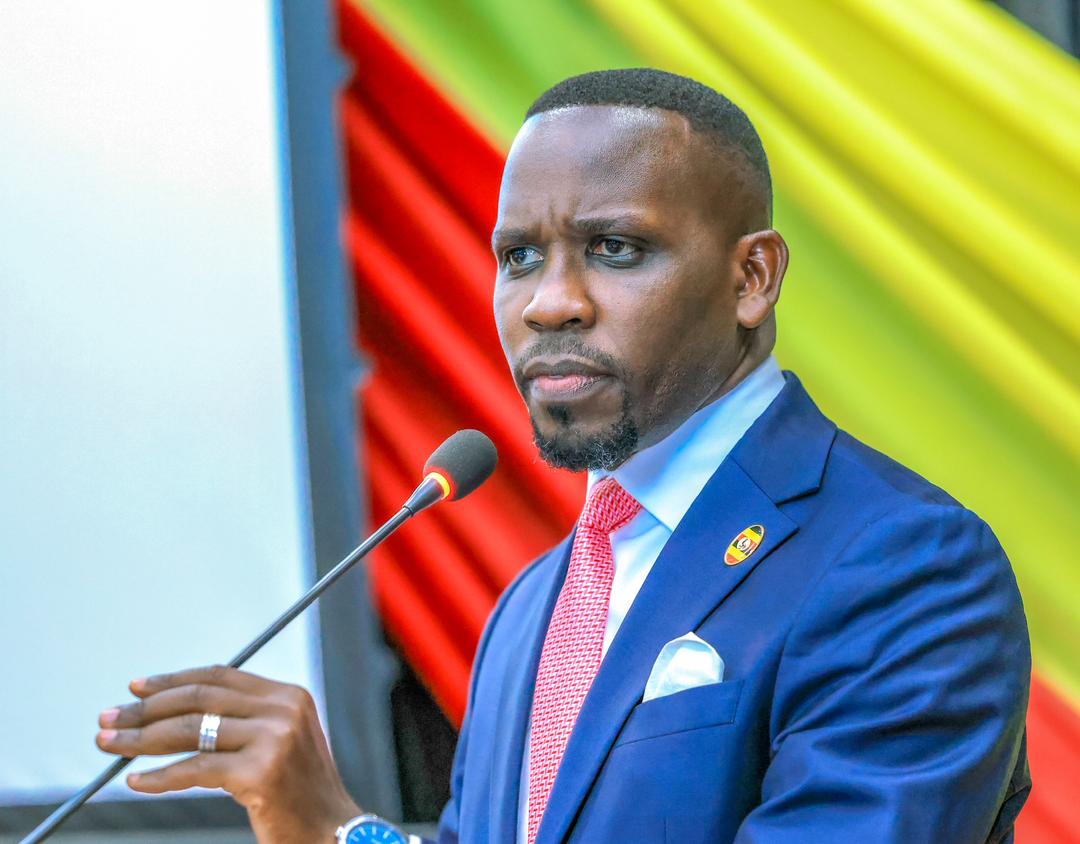
LOP Ssenyonyi
Opposition clarifies stance on sovereignty
Ssenyonyi emphasised that the Opposition is not against the protection of Uganda’s sovereignty, but rather advocates for a broader interpretation rooted in democratic principles.
“True sovereignty is strengthened when citizens are empowered, institutions are independent, and government is accountable to the people,” he said.
He urged lawmakers and the public to scrutinise the Bill critically, questioning whose interests it seeks to protect.
“Sovereignty should not be used to shield inefficiency, suppress dissent, or avoid scrutiny. It should be a foundation for responsible governance and inclusive development,” he added.
The opposition leader also warned that, if not carefully framed, the Bill could weaken constitutional safeguards, restrict civic space, and erode institutional integrity.
Economic concerns raised
Civil society organisations also warned of potential economic repercussions if the Bill becomes law.
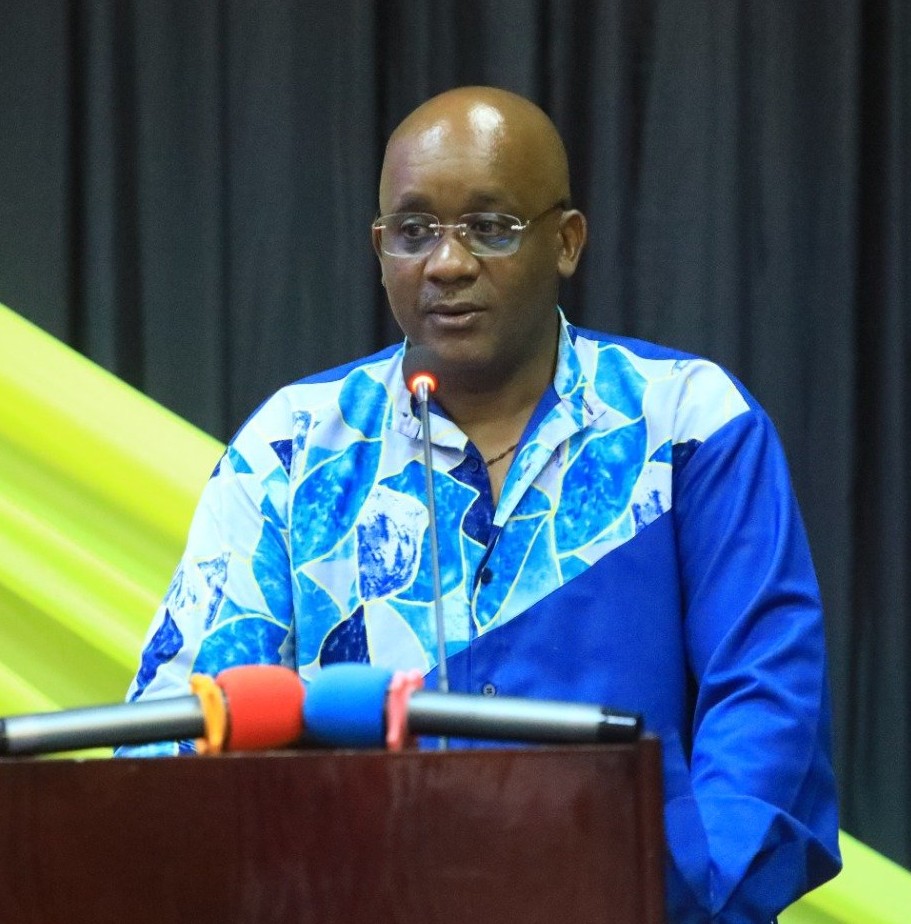
Julius Mukunda, Executive Director of the Civil Society Budget Advocacy Group (CSBAG), said the proposed legislation could significantly reduce foreign inflows that support Uganda’s economy.
He noted that external financing and grants contribute between Shs8 trillion and Shs10 trillion annually, while the NGO sector alone brings in an estimated Shs1.5 trillion to Shs2.5 trillion.
“We are likely to see a reduction of between 20 to 30 percent in inflows if restrictions are imposed. This could destabilise the economy,” Mukunda said.
He added that foreign direct investment has played a key role in stabilising the Ugandan shilling, warning that disruptions could have wider economic consequences.
Calls for public action
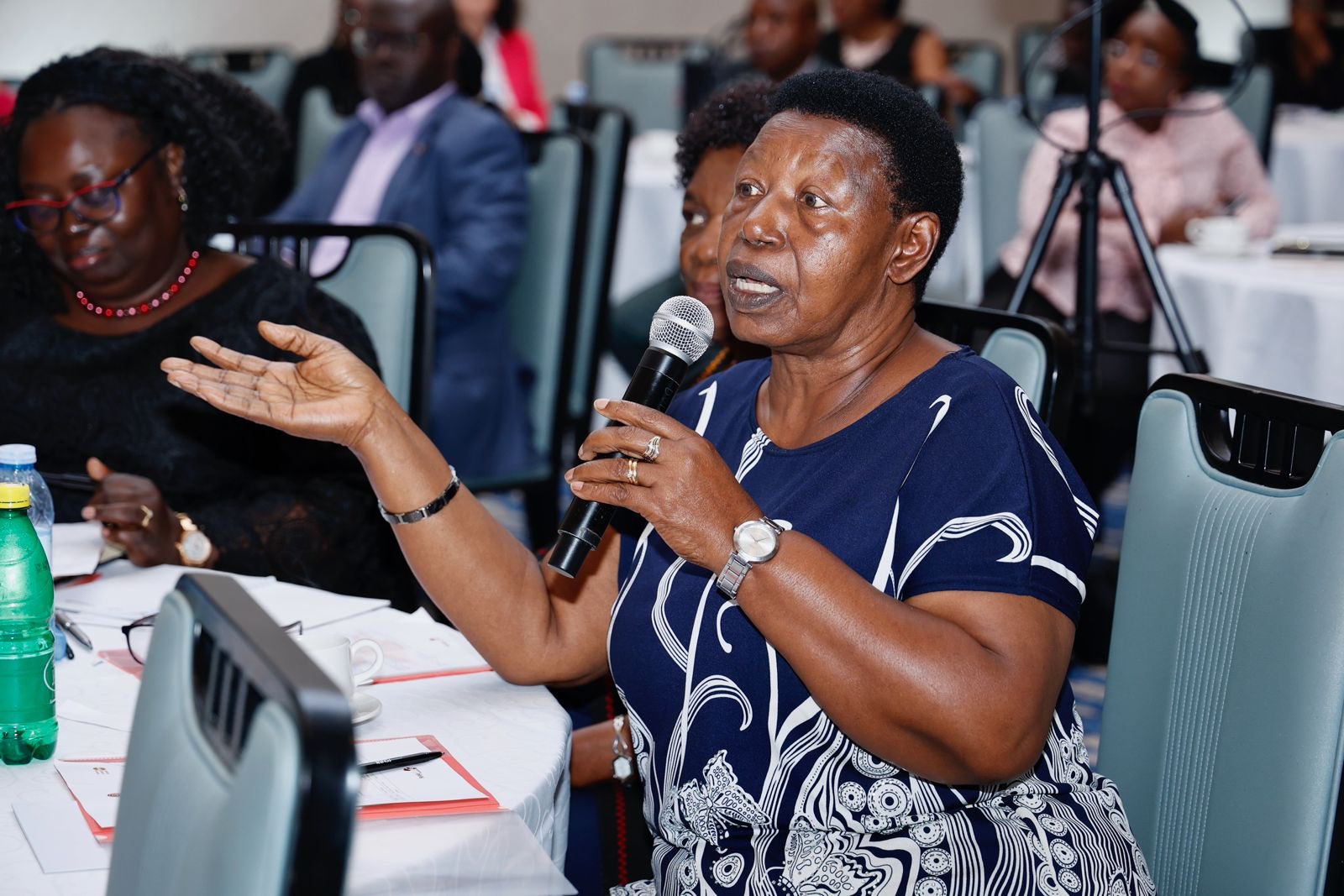
Human rights activist Maria Matembe called on Ugandans to actively oppose the Bill, warning that it could have severe social and economic impacts.
“This bill could open the door to chaos and suffering. Ugandans must rise and reject it,” she said.
Matembe also expressed concern about the potential impact on Ugandans working abroad, whose remittances support many families back home.
“This legislation risks affecting ordinary Ugandans, especially those relying on relatives working overseas. It could bring hardship and instability,” she added.
Growing national debate
The proposed Sovereignty Bill has sparked increasing debate across the country, with critics warning it could be used to insulate government actions from scrutiny both domestically and internationally.
Supporters of the Bill argue it is necessary to protect Uganda’s independence and national interests, though detailed government justification is yet to be fully outlined.
As discussions intensify, stakeholders are calling for thorough parliamentary scrutiny to ensure any legislation aligns with constitutional principles and safeguards the country’s economic and democratic future.
Torch Media Africa
Published By | News Editor