Background
The renewed exchange of fire between the United States and Iran this week is the latest and one of the most dangerous chapters in the 2026 Iran war. The conflict began on February 28, 2026, when a joint U.S.-Israeli operation launched airstrikes across Iran that killed senior officials, including then-Supreme Leader Ali Khamenei. President Trump said the decision was shaped heavily by intelligence from Israeli Prime Minister Benjamin Netanyahu, following months of stalled nuclear negotiations.
What followed was the largest U.S. military buildup in the Middle East since 2003. Iran retaliated with missile and drone attacks on Israel and U.S.-aligned Gulf states, and threatened shipping through the Strait of Hormuz. Mojtaba Khamenei, son of the slain leader, was named successor but has not appeared in public, fueling reports he was injured in the February strikes.
A fragile 60-day ceasefire, formalized in a memorandum of understanding on June 17, briefly lowered tensions. But underlying disputes — Iran's nuclear program, frozen assets, and control over Hormuz shipping — were never resolved. Attacks on shipping resumed even before Khamenei's July 6 funeral concluded, setting the stage for this week's collapse.
Key Developments
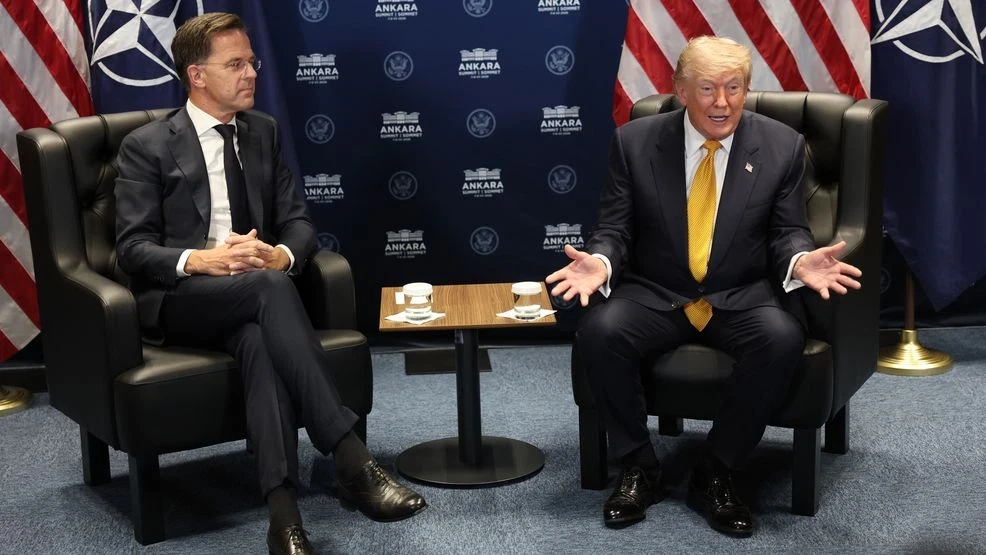
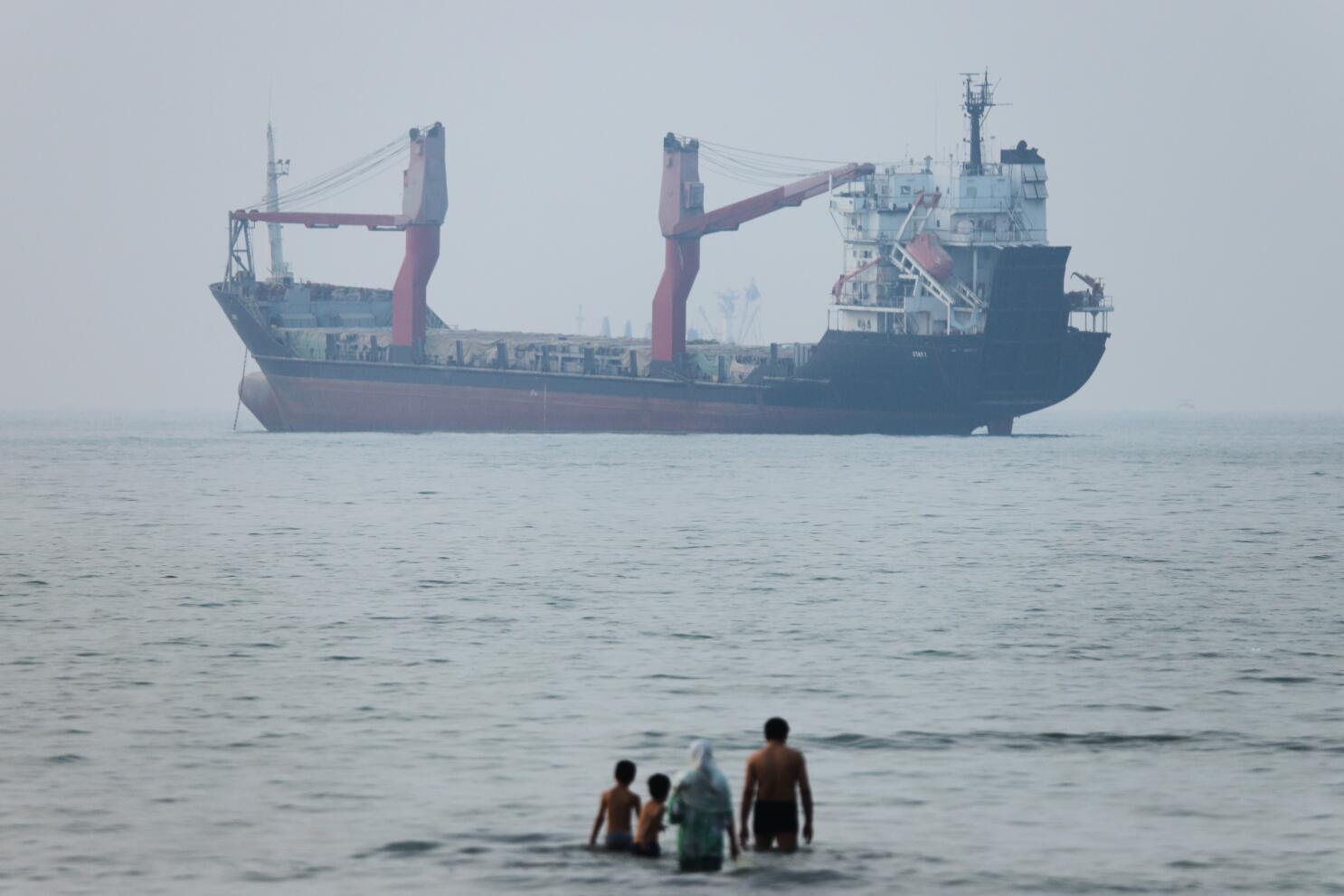
The immediate trigger was a series of attacks on commercial shipping. Iran's Revolutionary Guard struck three cargo vessels in the Strait of Hormuz, prompting U.S. Central Command to launch retaliatory strikes on more than 80 Iranian targets. Speaking at a NATO summit in Ankara, President Trump declared the June 17 ceasefire "over," though he indicated diplomatic channels would remain open.
The U.S. followed with a second wave of strikes, hitting roughly 90 additional targets, with some reports indicating strikes near the Bushehr nuclear facility. Iranian officials reported at least 14 killed and dozens wounded in the second round.
Iran responded within hours, launching a coordinated wave of missile and drone strikes against U.S. assets and U.S.-aligned governments across the Gulf. Targets included a Patriot battery in Kuwait, a satellite site in Qatar, and fuel storage facilities in Bahrain. Iran also fired roughly ten ballistic missiles at Jordan's Azraq air base; Jordanian defenses intercepted at least eight.
Casualties were comparatively limited. Kuwait reported one person wounded. Qatar and Bahrain reported no casualties. The Iranian Foreign Ministry accused Washington of committing a "gross war crime," while Parliamentary Speaker Ghalibaf warned: "If you strike, you'll get hit."
Reactions
The escalation lands amid tension between the White House and Congress over war powers. Late last month, the House passed a Democratic-led war powers resolution 215-208, and the Senate followed 50-48, with four Republicans breaking with the president. The resolution directs the removal of U.S. forces from hostilities absent congressional authorization, but is symbolic rather than legally binding.
Trump responded angrily, calling the vote "poorly timed and meaningless" and singling out the four Republican senators as "losers."
Regionally, Qatari mediators have urged both sides to return to diplomacy. Iranian Foreign Minister Araghchi has been working phones with counterparts in Pakistan, Turkey, and Oman. A U.S. official told CNN that behind-the-scenes diplomacy is continuing even as strikes intensify.
Gulf governments targeted in the barrage have responded cautiously, emphasizing defensive measures and appealing for restraint — reflecting their precarious position: aligned with Washington while managing proximity and economic exposure to Iran.
What's Next
The path forward remains uncertain. Trump says he will allow negotiations to continue even as he declares the ceasefire void — a posture leaving room for both further strikes and renewed diplomacy. Qatari and Pakistani mediators appear to be racing to prevent a full return to the war's opening phase.
Several flashpoints will determine the trajectory: Iran's demand for access to roughly $6 billion in frozen assets, control over Hormuz shipping, and the continued public absence of Iran's new Supreme Leader, Mojtaba Khamenei, which leaves open the question of who is actually directing Iran's strategy.
Domestically, the fight over war powers is unlikely to fade. Congressional Democrats and a small number of Republicans have signaled they will keep pressing the administration on the legal basis for continued strikes.
For now, both sides describe themselves as open to a negotiated off-ramp even as they exchange fire — a contradiction that has defined much of the war's five-month arc. Whether that off-ramp materializes, or the conflict escalates further, is likely to become clearer within days.
Published By | News Editor