Written By | Health News Agencies
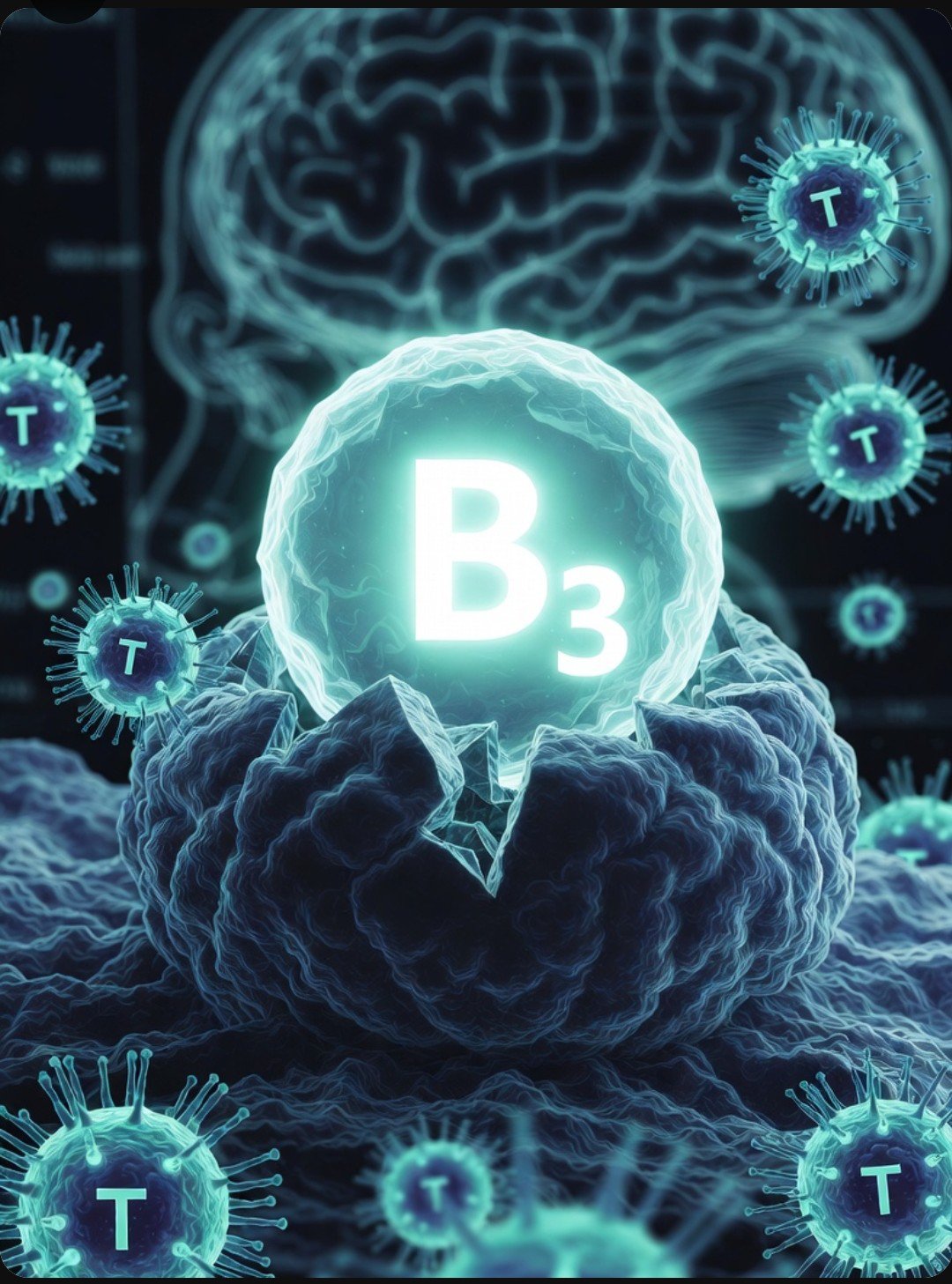
Canadian scientists gave glioblastoma patients high doses of plain old vitamin B3 — and 82 percent had no tumor progression at six months, compared to roughly half on standard treatment alone
CALGARY, Alberta
Glioblastoma doesn't get nicknames like "the good cancer." It is, by nearly every measure, the most aggressive brain tumor an adult can be diagnosed with — most patients are given twelve to fifteen months to live, and only about one in twenty survives five years.
So when researchers at the University of Calgary's Hotchkiss Brain Institute say a cheap, over-the-counter vitamin might change those odds, the medical world pays attention — cautiously.
A new clinical trial, published in Neurology Neuroimmunology & Neuroinflammation and back in headlines this week, found that high-dose niacin — the controlled-release form of vitamin B3 — appears to wake up immune cells that glioblastoma tumors had effectively switched off, allowing the body's own defenses to attack the cancer again.
The numbers: 82 percent of patients who received the niacin add-on showed no disease progression at six months, compared with roughly 54 percent on standard care alone.
THE TUMOR THAT TURNS OFF YOUR DEFENSES
To understand why a vitamin might matter here, it helps to understand what makes glioblastoma so uniquely hard to beat. It isn't only that the tumor grows fast and into healthy brain tissue. It's that glioblastoma creates an immunosuppressive "force field" that disables immune cells sent to destroy it. T cells get lured in and rendered "exhausted" — present, but functionally useless. That's why glioblastoma has resisted the immunotherapy revolution that transformed treatment for melanoma and lung cancers.
The Calgary team set out to solve that problem — not by building a new drug, but by asking whether something already in pharmacies could do the rejuvenating.
HOW A B-VITAMIN ENDED UP IN A BRAIN CANCER TRIAL
The research is led by Dr. Gloria Roldan Urgoiti and Dr. V. Wee Yong. Yong's earlier lab work found niacin could "rejuvenate" dormant immune cells. "Niacin treatment rejuvenates immune cells so they can do what they are supposed to do: attack and kill the cancer cells," Yong explained.
That led to a Phase I-II trial testing controlled-release niacin on top of standard treatment — surgery, radiation, and temozolomide chemotherapy. The team set a strict benchmark: if six-month progression-free survival didn't improve by at least 20 percent compared to historical results, the trial would stop. It wasn't stopped. The 82 percent figure cleared that bar by a wide margin.
WHAT THE BLOOD WORK SHOWED
Beyond the headline numbers, blood and tumor-tissue analysis showed niacin shifted the immune landscape toward an "antitumor profile" — more activated cancer-fighting cells, fewer suppressive ones. Niacin measurably changed how the immune system behaves in actual glioblastoma patients, not just in a petri dish.
THE CAVEATS NOBODY SHOULD SKIP
Here's where the story needs caution. This is still a Phase I-II trial with just 24 patients — a small group by cancer research standards. Small trials can produce dramatic results that shrink or vanish in larger populations. The team is actively enrolling more patients for a final analysis expected by late 2026 or early 2027.
There's also a sharp warning: this is not an invitation to start popping vitamin B3 at home. The doses used — up to 3,000 milligrams daily — are far beyond standard supplements and carry side effects including intense skin flushing and liver stress. Researchers were explicit: any benefit came from a carefully dosed, medically monitored formulation given alongside standard treatment — not a trip to the pharmacy aisle.
This is a legitimate, exciting research finding. It is not a home remedy.
WHY THIS MATTERS BEYOND ONE TUMOR TYPE
If a simple, inexpensive metabolic intervention can rejuvenate exhausted T cells in one of the most immunosuppressive tumor environments known, the same strategy — improving immune cell fitness rather than only attacking the tumor directly — could have relevance for other hard-to-treat cancers. That's still speculative. But it's the kind of speculation that gets new research programs funded.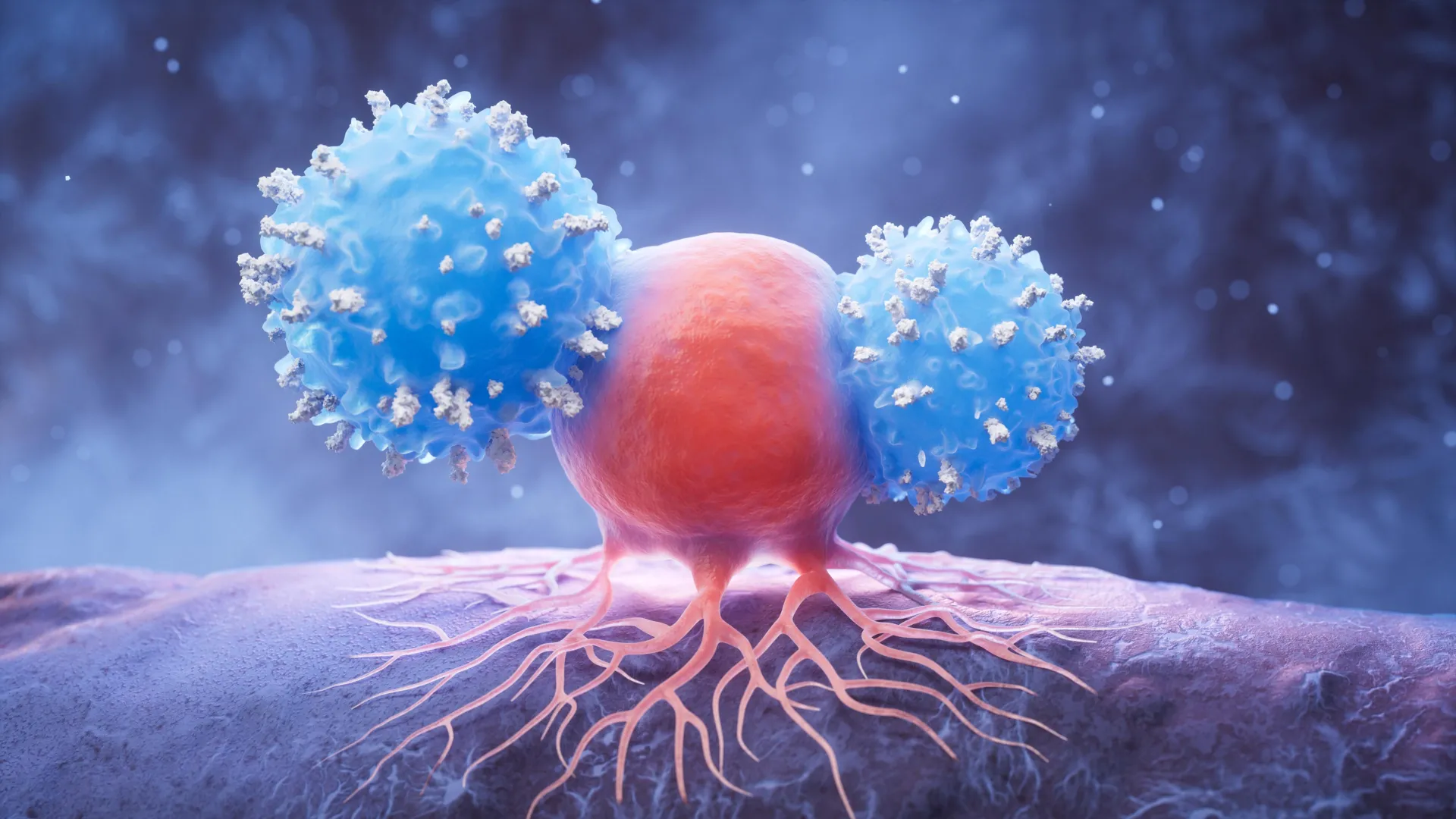
EXPERT PERSPECTIVE
Outside commentary has struck a "cautiously hopeful" tone. Glioblastoma's brutal track record — decades of promising early trials that failed in larger ones — means oncologists treat encouraging Phase I-II numbers as a reason to fund Phase III, not declare victory. That said, the rationale here is unusually well-supported: a clear mechanism, measurable biological signal, and a pre-registered statistical bar the trial had to clear.
WHAT THIS MEANS FOR YOU
If you or someone you love is facing a glioblastoma diagnosis, this research offers a hopeful data point — but the only responsible way to act is through a conversation with your oncology team about clinical trial enrollment. Clinical trial info is publicly listed on ClinicalTrials.gov.
What this is not is a reason to self-medicate with high-dose niacin. The doses studied are well beyond standard levels, the side-effect profile is real, and none of the benefit has been shown without standard treatment alongside it. Niacin is an add-on that helps the immune system do its job better — not a replacement for existing care.
For the broader public, the lesson is less about rushing to the vitamin aisle and more about what this represents: serious researchers finding that a cheap, widely available compound can shift immune behavior against one of medicine's most stubborn diseases. Not every advance has to come from a billion-dollar drug pipeline — sometimes it comes from asking an old question about a vitamin everyone already has.
THE BOTTOM LINE
Glioblastoma has broken hearts for generations, shrugging off one promising therapy after another. The Calgary trial doesn't change that grim history yet — the sample is small, the trial is ongoing, and much more data is needed. But an 82 percent progression-free rate against a roughly 54 percent baseline, backed by real immunological evidence, is the kind of number that makes oncologists sit up straighter — and gives patients facing an awful diagnosis a genuinely new reason for cautious hope.



