Written By |
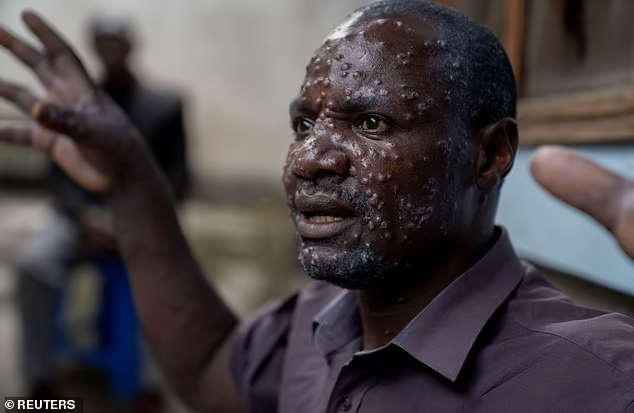
Experts warn that the existing vaccine might not be effective for the new mpox virus
Vaccines that were once hailed as the primary hope for stopping a global mpox outbreak may not be effective against a new, deadlier strain, scientists have warned. Professor Marion Koopmans, director of the Pandemic and Disaster Centre at the Erasmus Medical Centre in The Netherlands, stated that experts are unsure how the new clade 1b mpox virus will respond to current vaccines. "The honest answer is we do not know yet," she said.
The current mpox vaccines were used during the 2022 global outbreak against a milder strain known as clade 2. However, they have not yet been tested against the more potent version, which has spread across Africa and has recently been detected in Europe and Asia. Moreover, experts are still uncertain about how much protection the vaccines provided during the 2022 outbreak.
The mpox vaccine is actually the smallpox vaccine, believed to be effective due to the similarity between the two viruses—a concept known as cross-protection. However, as the vaccine was deployed during an active outbreak, it's challenging to determine the extent of its benefit, according to Professor Koopmans.
During the 2022 outbreak, gay and bisexual men, the group primarily affected by mpox, likely took additional measures to reduce their risk, such as limiting the number of new sexual partners. "There is some evidence for clinical efficacy, but it's difficult to attribute full protection to the vaccine alone," Professor Koopmans explained. She also noted that there's an urgent need for studies on whether the vaccine provides sufficient cross-protection against clade 1b.
Professor Dimie Ogoina, an infectious disease expert at Niger Delta University, highlighted another challenge: determining who should receive the vaccine first in Africa. "Any vaccine strategy should be informed by an understanding of the disease's epidemiology in your region," he said. He also emphasized the uncertainties regarding the effectiveness of the current mpox vaccines, which were primarily tested in the global North among gay and bisexual men.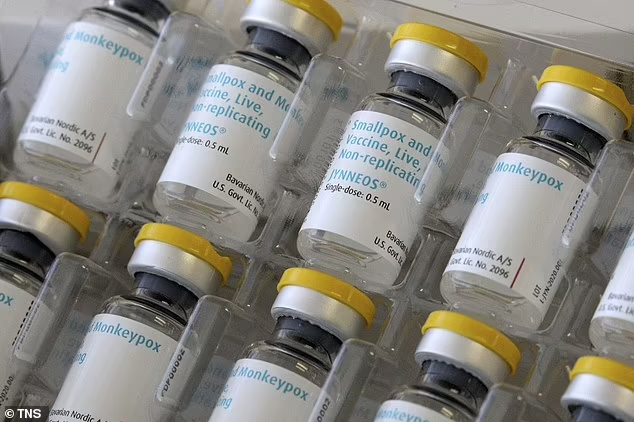
The current mpox vaccines were used during the 2022 global outbreak against a milder strain known as clade 2 (Courtesy Photo)
Professor Ogoina raised concerns about how long the vaccines offer protection and their effectiveness in children, who appear to be particularly at risk in the new outbreak. "We have not replicated these studies in children, which is a significant challenge, especially in the DRC (Democratic Republic of the Congo), where the majority of those significantly impacted are children," he said. He suggested that a risk/benefit approach should be taken, particularly in outbreak settings, when considering whether children should be vaccinated.
Despite these concerns, Professor Placide Mbala Kingebeni, an epidemiology expert at the Clinical Research Center at the National Institute of Biomedical Research in the DRC—the country hardest hit by the ongoing outbreak—argued that vaccines remain "the best tool we have." He emphasized that even without complete data on efficacy, vaccination should still be pursued.
The new strain of mpox, formerly known as monkeypox, is far deadlier than the mild strain that spread to over a dozen countries, including the UK, in 2022. Clade 1b mpox has a mortality rate of about one in 20 adults but rises to one in 10 in children. The virus primarily spreads through skin-to-skin contact, which can include sexual contact or direct care, such as from mother to child.
Clade 1b has swept through central Africa, killing hundreds since the outbreak began. In recent weeks, cases of the new strain have been detected in Sweden and Thailand, marking its spread to Europe and Asia. While no cases have been confirmed in the UK, experts suspect the variant may already be present, as symptoms like the classic skin lesions can take over two weeks to develop.
However, experts have noted that fatality rates for clade 1b in central Africa are unlikely to be replicated in developed nations due to better access to higher-quality healthcare. The UK Health Security Agency (UKHSA) has already announced that it is "planning" for potential UK cases of the new strain.
The World Health Organization has stated it needs over £66 million ($87 million) over the next six months to stop the current mpox outbreak. Mpox typically causes lumpy lesions, fever, aches, and fatigue. In rare cases, it can spread to the blood, lungs, and other parts of the body, such as the brain, leading to life-threatening conditions.
From Agencies



