TEHRAN
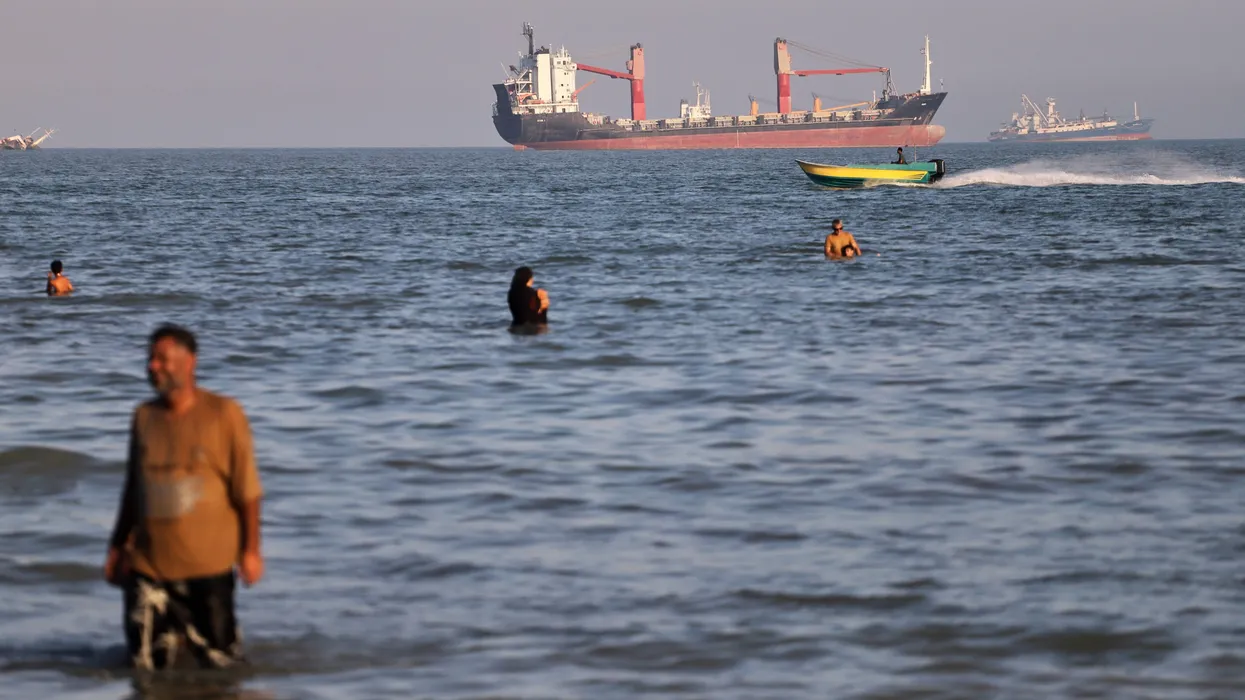
Tensions between the United States and Iran escalated sharply on June 26–27, 2026, when U.S. forces struck Iranian military targets in response to a drone attack on a commercial cargo ship transiting the Strait of Hormuz. The episode marks the most serious test yet of a fragile ceasefire that has held since the United States and Israel launched an air campaign against Iran in late February 2026—a conflict that shut down shipping through the strait for weeks, choking off a corridor carrying roughly a fifth of the world's seaborne oil trade.
A first ceasefire was brokered by Pakistan on April 8, extended indefinitely on April 21. The deeper breakthrough came on June 17, when Trump and Iranian President Pezeshkian signed a fourteen-point memorandum of understanding intended to end the war. The memorandum committed both sides to stop military strikes, reopen the strait without transit tolls for sixty days, and lift the U.S. naval blockade—but left the hardest questions—Iran's nuclear program, sanctions relief—to follow-on negotiations.
Key Developments
The immediate trigger came on Thursday, June 25, when Iran's Islamic Revolutionary Guard Corps allegedly launched at least four drones at vessels in the strait. According to U.S. Central Command, three were intercepted, but one struck the upper structure of the M/V Ever Lovely, a Singapore-flagged cargo ship. The operator reported damaged bridge windows but no injuries.
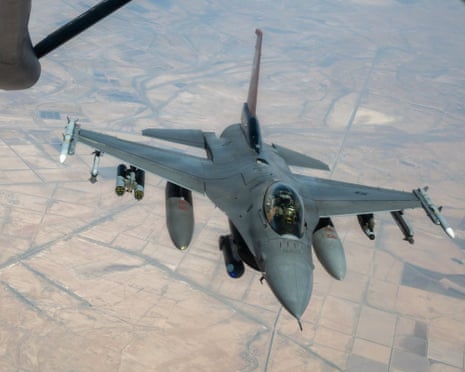
President Trump characterized the strike as a "foolish violation" and authorized retaliation. On Friday, U.S. aircraft struck Iranian missile and drone storage sites and coastal radar installations in what CENTCOM described as a targeted response. Iran's Revolutionary Guard disputed the U.S. framing, asserting the cargo ship had used "an unauthorized route" and that Iran retains authority over strait passage under the ceasefire. The Guard's navy said it struck positions linked to U.S. forces and warned that "if the aggression is repeated, our response will be broader than this."
The incident unfolded against separate, continuing violence in Lebanon between Israel and Hezbollah—a conflict diplomats recognize as the likeliest spark to derail the broader peace process. U.S. and Iranian diplomats met earlier this month in Lucerne to begin substantive talks; that round reportedly came close to collapsing over Lebanon before negotiators pressed ahead. Secretary of State Rubio has spent recent days shuttling among Gulf states, reassuring allies Washington won't strike a deal that leaves their security exposed.
Underlying the dispute is a basic disagreement the memorandum never resolved: who decides which routes through the strait are safe and lawful. Iranian commanders have claimed the right to designate authorized shipping lanes; U.S. officials maintain the main channel is international waters. American officials say they've seen no evidence of a systematic Iranian campaign against shipping, but acknowledge the IRGC's warnings alone have made some lines and insurers reconsider routing decisions.
Reactions
Reaction in the U.S. has split: the administration framed the strike as a calibrated, proportionate response; skeptics warn of a tit-for-tat spiral neither side can fully control. Gulf states have pressed both Washington and Tehran privately to keep the sixty-day negotiating window intact. Energy markets, which calmed after the June 17 memorandum, reacted with renewed unease. Brent crude spiked above $100 earlier in the conflict before easing; traders are watching closely for signs of whether this represents a contained dispute or a more serious breakdown.
Beyond the immediate parties, Asian importing nations that rely heavily on Gulf crude have adjusted fuel taxes and drawn down strategic reserves to cushion consumers—measures that have stayed in place even as the ceasefire held.

What's Next
The memorandum's sixty-day negotiating clock, which began after the June 17 signing, is now the central variable. Within that window, negotiators are expected to attempt to resolve the issues left open: limits on Iran's nuclear program, sanctions relief, and long-term arrangements for policing strait traffic. Iran's reaffirmation that it will not pursue a nuclear weapon gives the talks a starting point, but stops well short of the verification regime the U.S. wants.
Whether this week's strikes prove contained or the first crack in the ceasefire will likely hinge on two things: whether Iran follows through on its warning of a "broader" response, and whether the parallel Israel-Hezbollah fighting escalates further and drags the U.S.-Iran track down with it. Gulf states, shippers, and energy markets will be watching the strait closely for any sign that either side intends to restrict passage again, even informally, as the substantive negotiations get underway in earnest.
Published By | News Editor