BERLIN / NEW YORK
Millions of people with bad knees face the same choice: keep popping anti-inflammatories and getting cortisone shots that fade within weeks, or undergo a major knee replacement with months of recovery. For decades, those were the only two doors. Now, a minimally invasive procedure called genicular artery embolization (GAE) is barreling through the middle—and a study published June 16, 2026, in Radiology just gave it its strongest evidence yet: a full year of meaningful pain relief in nearly 200 patients, using nothing more invasive than a needle and catheter.
The Surgery Nobody Actually Wants
Knee osteoarthritis is staggeringly common. The CDC estimates 32.5 million American adults live with osteoarthritis, with knee OA accounting for over 80% of cases—at least 17 million Americans 45 and older dealing with grinding pain and swelling. The conventional ladder runs out fast: PT, pain relievers, injections, then total knee replacement.
Over 700,000 Americans undergo knee replacement annually, projected to reach 1.28 million by 2030. It's effective for the right patients, but it's major surgery: general anesthesia, hospital stay, weeks of PT, months of recovery. For those with moderate arthritis—too much pain to ignore, not enough damage for surgery—there's long been an uncomfortable gap.
What GAE Actually Does
GAE targets blood vessels feeding the inflamed lining of an arthritic knee. As joints degenerate, they grow abnormal neovessels that fuel inflammation and sensitize pain nerves. Using imaging guidance, an interventional radiologist threads a thin catheter through an artery (usually starting at the wrist or groin), navigates to the genicular arteries around the knee, and injects tiny embolic particles to block blood flow to those pain-feeding vessels—leaving healthy supply untouched.
The procedure is outpatient, under local anesthesia, often under an hour, with patients walking out same day. No incision beyond a needle puncture, no joint hardware, no months-long rehab.
The Study That Just Raised the Bar
The Radiology study, led by Dr. Florian Nima Fleckenstein, tracked 194 knee OA patients who underwent GAE using rapidly resorbable gelatin-based microspheres—dissolving over time rather than permanently blocking vessels. That matters: permanent agents raised long-term concerns; resorbable ones offer the same anti-inflammatory punch while allowing blood flow to eventually normalize.
Patients reported significant, sustained improvements in pain and function tracked to 12 months. Safety was reassuring: only 6.7% experienced mild, self-limiting adverse events. No major complications, no hospitalizations.
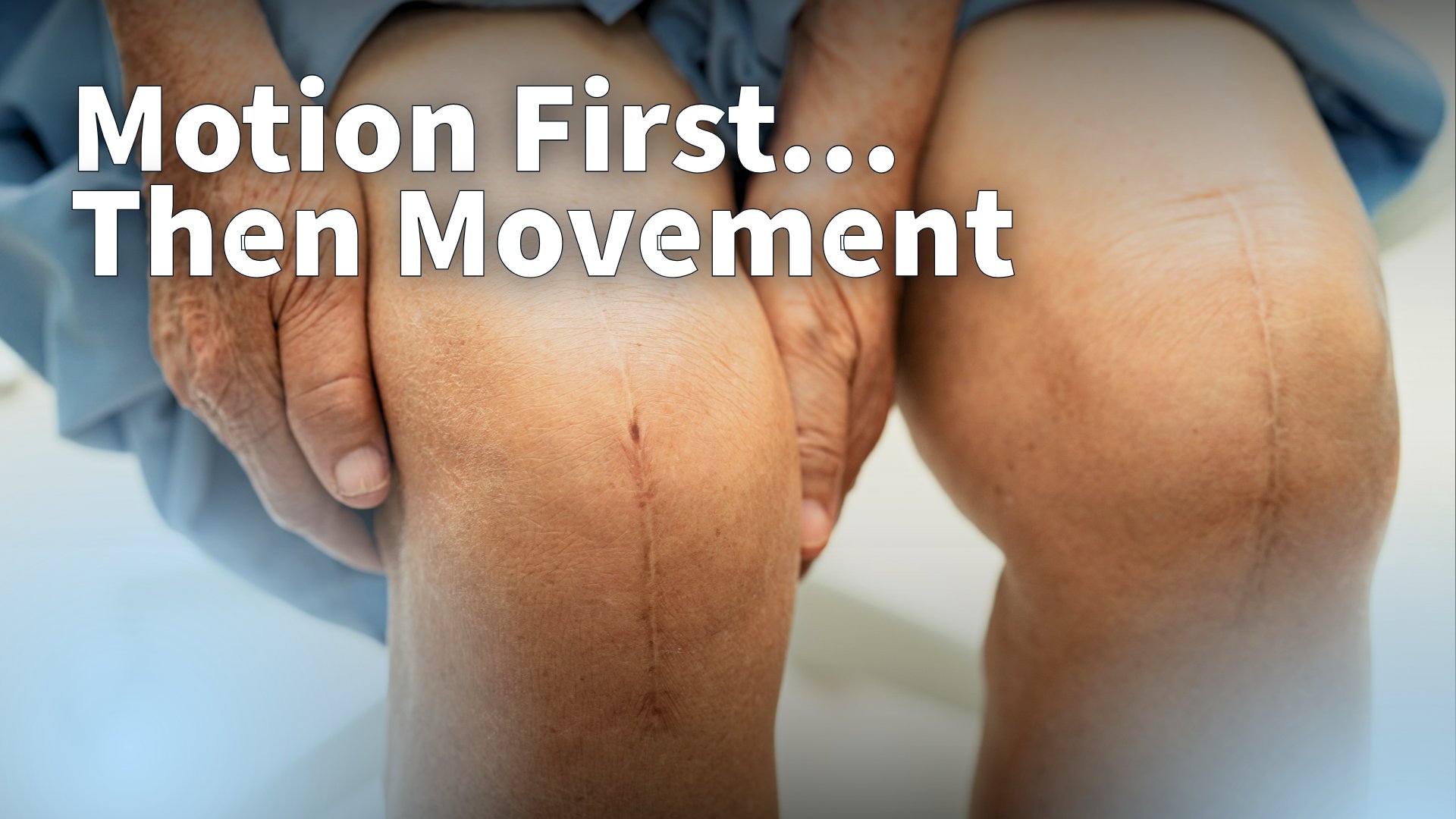
"A Meaningful New Option"
Researchers describe GAE in blunt terms: for the right patient, it's lasting relief from a single, minimally invasive procedure—a real option between injections and joint replacement. One 74-year-old patient said nearly a year afterward, gardening, biking, and favorite activities came with far less pain and far more enjoyment.
The Evidence Isn't Airtight Yet
Caveats remain. A systematic review found only three sham-controlled randomized trials—the gold standard—covering 138 patients, with the strongest signal at just one month. Most larger results, including this 194-patient study, come from single-arm studies without comparison groups, meaning some improvement could reflect placebo effects.
That's not a reason to dismiss the findings—consistency across multiple independent studies is meaningful—but GAE remains something patients should discuss carefully with both a rheumatologist and interventional radiologist. Insurance reflects that uncertainty: GAE is still considered investigational or selectively covered, meaning significant out-of-pocket costs.
What This Means for You
If knee OA pain has outpaced over-the-counter remedies but you're not ready for replacement, GAE is worth raising with your doctor. Good candidates tend to have mild-to-moderate OA where pain is disproportionate to joint damage—suggesting an inflammatory, blood-vessel-driven component. Patients with severe, bone-on-bone arthritis are less likely to benefit, since GAE addresses pain signaling, not lost cartilage.
Ask which embolic agent your radiologist plans to use—the newer resorbable microspheres offer a theoretically better safety profile. And ask about cost upfront: with uneven coverage, clarity on out-of-pocket exposure is essential.
A New Rung on the Ladder
For a field that's offered essentially the same two choices—manage pain or replace the joint—for half a century, GAE represents something genuinely new: a serious, evidence-backed rung on the treatment ladder that didn't exist a decade ago. It won't replace knee replacement for advanced, structurally destroyed joints, and sham-controlled evidence still has gaps. But for millions stuck in the uncomfortable middle—too much pain to ignore, not enough damage to operate—it offers a way to buy back the activities they love, on an outpatient afternoon, without ever picking up a scalpel.
Published By | Features Editor