Written By | Political Desk
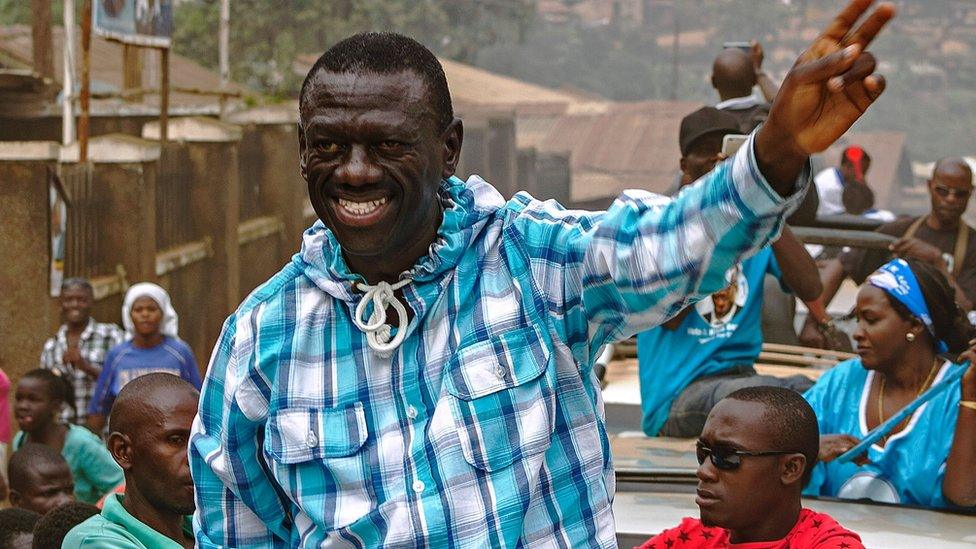
High-level negotiations to secure Besigye's release began in the last week of September, led by Gen Caleb Akandwanaho, better known as Salim Saleh
POLITICS
Backchannel talks aimed at freeing Uganda's most prominent jailed opposition figure, Dr Kizza Besigye, have moved into the open just as his treason trial resumed in the High Court in Kampala on 5 October. The two tracks, one political and one judicial, are now running side by side, and the way they interact may shape the post-election political settlement under President Yoweri Museveni's new term.
What has changed
According to Pulse Uganda, high-level negotiations to secure Besigye's release began in the last week of September, led by Gen Caleb Akandwanaho, better known as Salim Saleh, the president's brother and coordinator of Operation Wealth Creation. A committee of eminent persons, including religious leaders and senior citizens, is reported to support the effort, which draws in representatives of the ruling NRM, the People's Front for Freedom (PFF) and Besigye's former party, the Forum for Democratic Change (FDC).
The FDC's deputy spokesperson, Walid Mulindwa, confirmed to the press that discussions are ongoing, including consultations through the Inter-Party Organisation for Dialogue. He also acknowledged that some parties are divided over whether Besigye's situation should be resolved in court or through a political arrangement. PML Daily, reporting on 5 October, said the talks were gaining momentum.
The talks have a public precursor. On 25 August the Chief of Defence Forces, Gen Muhoozi Kainerugaba, said that Besigye would be handled by Salim Saleh and that if Besigye wanted forgiveness he should talk to the general. That remark, as quoted by Pulse Uganda, framed the question as one of clemency rather than legal vindication, which matters for how the opposition can accept any deal.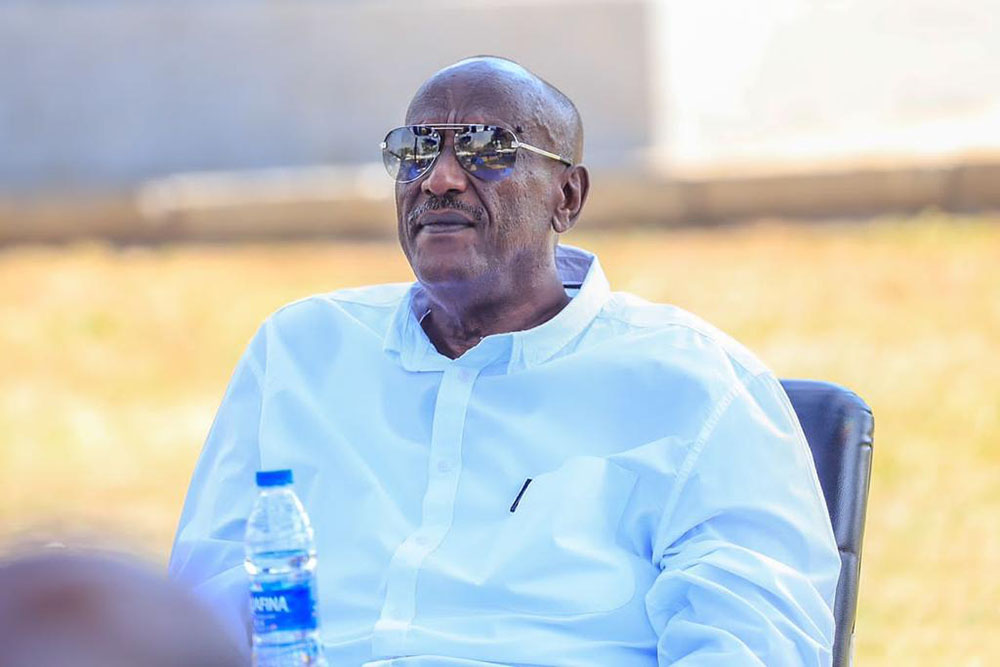
The trial in brief
Besigye was arrested in Nairobi on 16 November 2024 and has been in detention since. He is charged with treason alongside his aide Hajji Obeid Lutale and UPDF Captain Denis Oola in Criminal Session Case No. 335 of 2025, before Justice Emmanuel Baguma. The prosecution alleges the three held meetings in Geneva, Athens, Nairobi and Kampala to raise money, obtain weapons and organise paramilitary activity to overthrow the government. Reports of the state's case mention allegations about surface-to-air missiles and ricin. All three men deny the charges. Besigye and Lutale say they were abducted from Nairobi and held incommunicado.
In July the High Court dismissed an application to terminate the proceedings, with Justice Baguma finding the applicants had not provided credible evidence of the constitutional violations they alleged and calling the motion an abuse of court process intended to delay the hearing. The trial formally began on 13 July.
The prosecution's first witness, Andrew Wilson, a British-American private security investigator based in Florida, testified from mid-August, and The Observer reported that he told the court Joel Wakayima had approached him in 2021 seeking security and paramilitary training. Wilson's testimony concluded on 17 September. Nile Post reports that he also acknowledged that weapons and counterfeit currency linked to the 16 November 2024 Nairobi operation appeared to have been planted as part of an intelligence operation, a concession the defence is likely to lean on.
Besigye's absence
Besigye collapsed in court on 29 July while protesting over his legal representation and has not attended since. Prison officials said he declined to attend. Lutale told the court Besigye had been admitted to the Prison Staff Hospital from 4 August, and a Mulago Hospital letter cited in reporting said he could not speak but could follow proceedings. In August Justice Baguma ruled that the trial could proceed in his absence. On 5 October the judge was reported as saying proceedings would not keep being adjourned without good reason.
Besigye's health and his absence give the negotiations a humanitarian dimension and raise obvious questions about the fairness of a trial of a defendant who is not physically present. They also create pressure on all sides to find an exit.
The second witness and the evidence fight
The state's second witness is Dr Medadi Erisa Ssentanda, a Makerere University senior lecturer in African languages. Nile Post reports that Makerere was paid Shs59.32 million to transcribe recordings on a flash disk supplied by the Criminal Investigations Directorate, covering around 25 hours of alleged meetings in Geneva, Athens and Nairobi. The defence is objecting to admission of the transcription report on chain-of-custody grounds, noting that the original flash disk from which the transcription was made has not been tendered in court. How Justice Baguma rules on this will show how much weight the recordings, which are central to the prosecution, can carry.
Why it matters
Besigye is the best-known opponent of the 40-year Museveni era, and his case has become a reference point for debates about the use of treason law against political opponents. Museveni won the 15 January 2026 election with 71.65 percent according to the official results, against 24.72 percent for Bobi Wine of the National Unity Platform, and was sworn in on 12 May. The election was disputed, and the months since have featured both arrests of opposition figures and signs of de-escalation, including bail for several NUP leaders and reported talks over Bobi Wine's return, which he made quietly in May.
A negotiated release for Besigye would fit that pattern of managed de-escalation. It would also be politically delicate: Gen Muhoozi's language about forgiveness implies terms that Besigye and his supporters may resist, and divisions within the FDC and the wider opposition over court versus political routes could widen if a deal is announced.
What to watch next
Several things will indicate where this goes. The first is whether Justice Baguma admits the transcription evidence and how the defence challenges it. The second is whether Besigye reappears in court and what his medical status is. The third is whether the state signals any change of course, such as a withdrawal of charges or a nolle prosequi, since a political deal would still need a legal mechanism. The fourth is whether Besigye himself, or his family and lawyers, publicly engage with the Saleh-led process. Until there is confirmation from the principals, the details of the talks rest on a small number of press reports and party statements and should be treated with caution.



