Written By | Fashion Experts
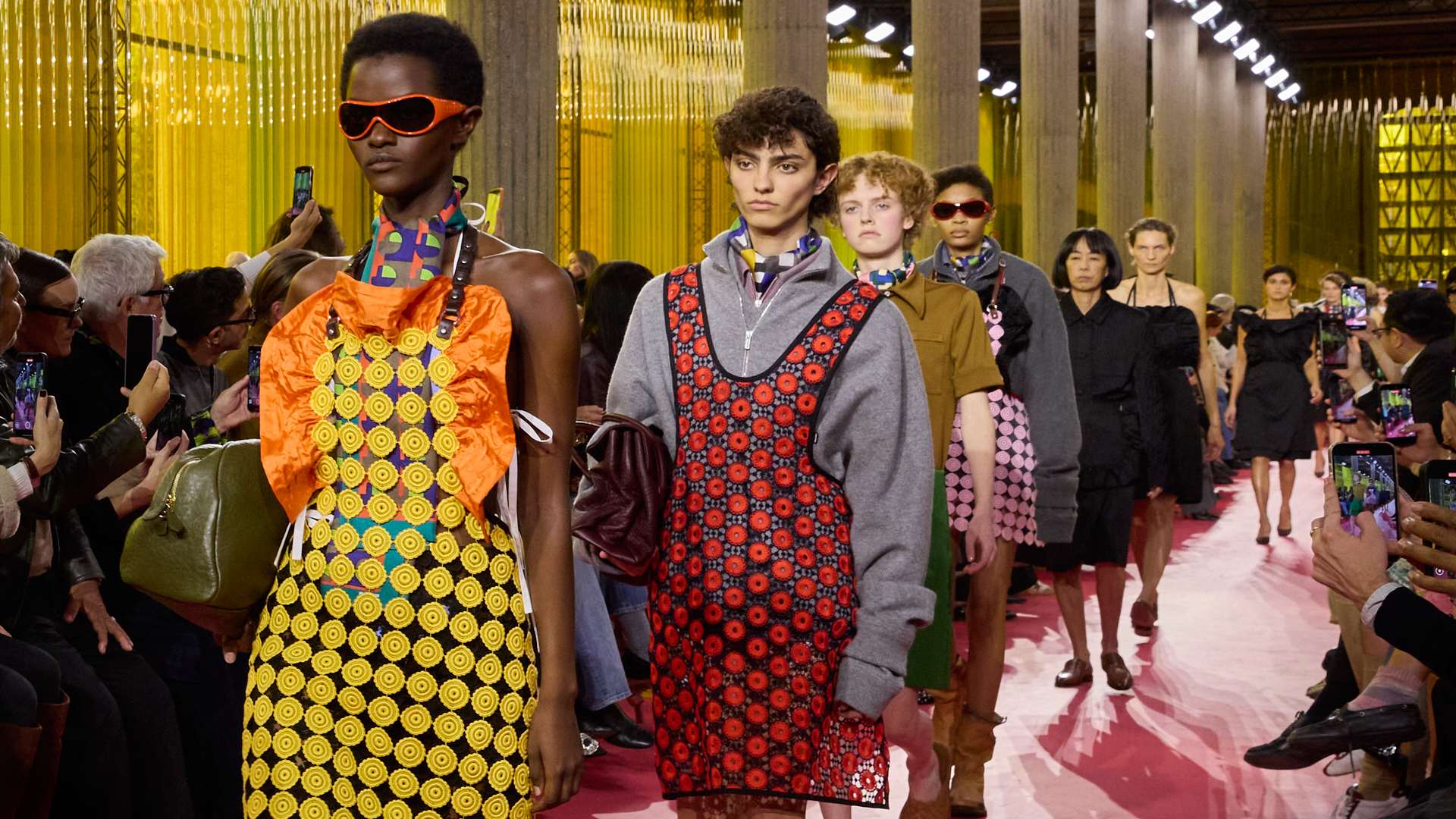
Paris Fashion Week 2026
PARIS / NEW YORK
There is a photograph circulating on fashion social media this week that captures the moment precisely. It shows actress Chloe Sevigny — one of the defining style icons of the 1990s — arriving at Paris Fashion Week 2026 in a look that could have been plucked from a 1997 issue of The Face: a slim trouser, a strong-shouldered blazer, a minimalist bag. She is flanked by cast members from a revived X-Files, similarly dressed.
The caption reads: "They never left."
It is a joke, but also an argument. The 1990s revival in fashion, long treated as a cyclical trend, has instead hardened into something that looks less like nostalgia and more like a genuine aesthetic reckoning. In 2026, the decade that gave us Calvin Klein minimalism, TLC streetwear, and Giorgio Armani's tailoring is not merely influencing fashion — it is dominating it.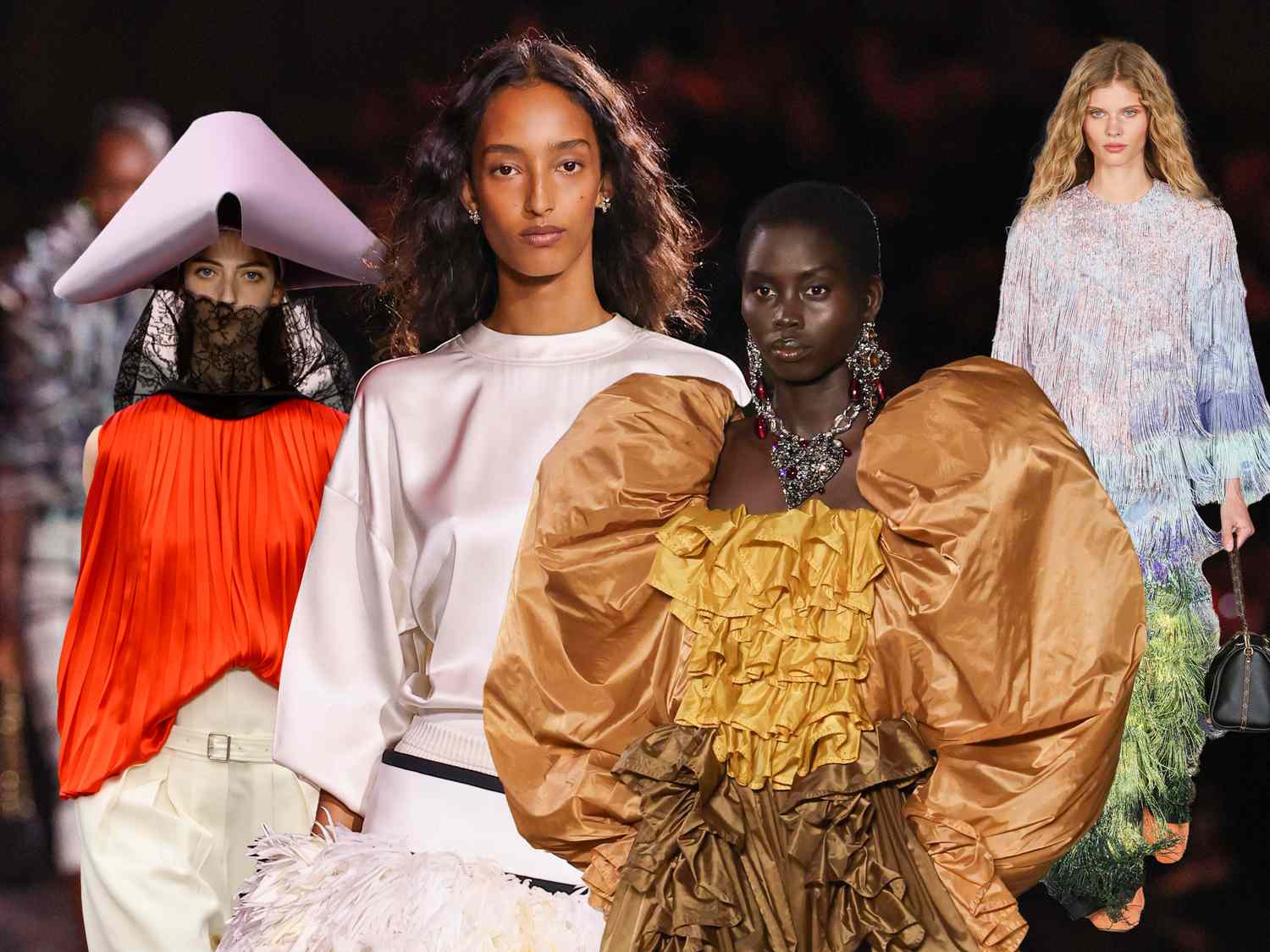
The Runway Makes Its Case
At Paris Fashion Week 2026, house after house returned to the visual vocabulary of the late nineties: streamlined jackets, slim trousers, understated dresses in neutral tones. The maximalism that briefly defined the early 2020s has retreated. In its place is something crisper, more architectural, more controlled.
The fall 2026 collections were notable for a specific borrowed silhouette: the shrunken blazer with a strong shoulder pad, the slim cigarette trouser, the oversized coat worn with almost nothing underneath. These are not new ideas. They are the ideas of Helmut Lang, Jil Sander, and Calvin Klein circa 1996. What 2026 brings is a willingness to mix archival blazers with taffeta pants, to wear slip dresses over turtlenecks — to treat the wardrobe as a dialogue between then and now.
"The '90s was the decade of the edit," one stylist told Fashion Times. "You wore what you needed and nothing more. That philosophy feels incredibly relevant right now, when everyone is exhausted by excess."
The New Grunge And The Refined Rebel
Not all of the nineties revival is minimalist. Running alongside is what commentators call the New Grunge movement: raw, deconstructed dressing that takes the decade's alternative aesthetic and refines it for 2026.
This means a vintage band tee layered beneath a structured wool coat — the collision of Kurt Cobain and Calvin Klein that defined certain downtown Manhattan looks in the mid-nineties. It means carefully distressed denim in relaxed cuts with vintage washes: not aggressively shredded, but more worn-in.
Ripped jeans have become a cultural flashpoint. Today's fashion-forward version is about placement and proportion — a deliberate tear at the knee of a wide-leg trouser — rather than theatrical destruction.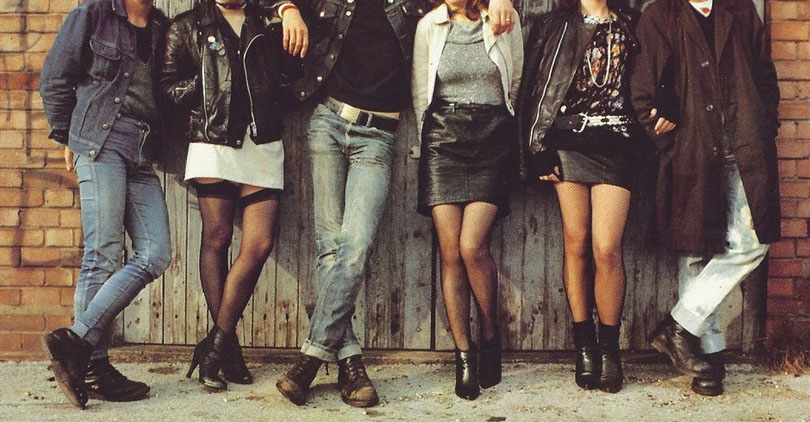
The New Grunge movement
The Digital Engine
What separates the 2026 nineties revival from previous cycles is the engine driving it: the internet, and specifically the overlap between social media, vintage resale platforms, and a generation that grew up consuming the decade through screens.
Younger consumers — those born in the late nineties and early 2000s — have discovered the decade not through lived experience but through an endless digital archive. For them, the nineties is not nostalgia. It is discovery. They are wearing slim blazers because they look good, not because they remember watching Friends.
The resale market has responded accordingly. Vintage nineties pieces — particularly Calvin Klein and Helmut Lang archival garments — have seen significant price appreciation. A Calvin Klein slip dress from 1997 that sold for $40 three years ago now routinely fetches $200 or more. The archive is becoming an investment.
Summer 2026's Specific Codes
For those looking to translate the broader revival into a practical summer wardrobe, the signals are coherent. The key pieces:
The accessory story is particularly interesting. Fringe — on handbags, belts, and scarves — has migrated into the nineties-inflected wardrobe, reading as a deliberate textural counterpoint to structured tailoring. Jewelry worn at the beach — layered gold necklaces, stacked bracelets — is being translated into everyday styling.
The dominant color palette skews toward what stylists call "French summer": warm neutrals, terracotta, faded indigo, the particular off-white that registers as expensive without trying. The editorial shorthand: "summering in the South of France" — the aspiration of simplicity.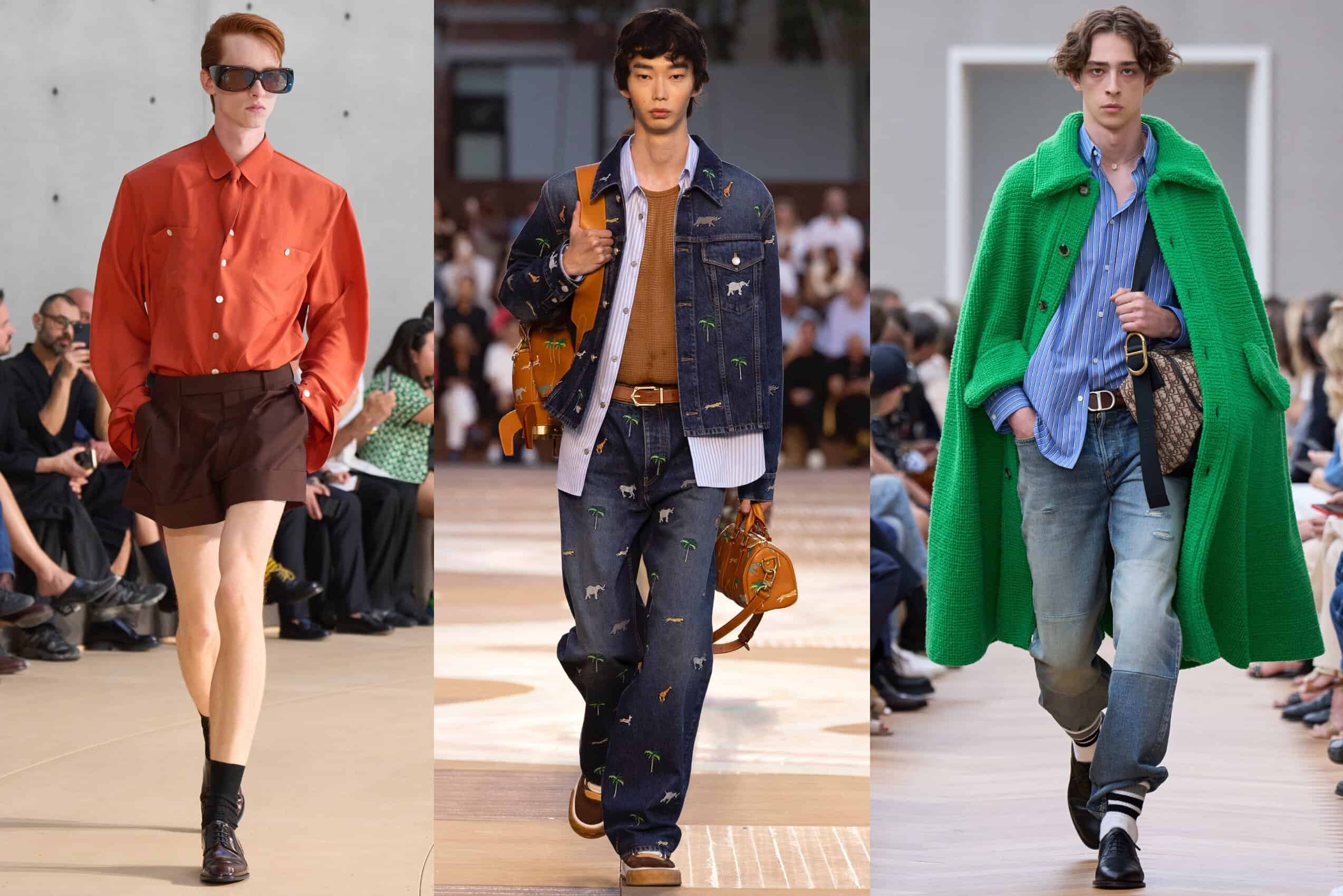
Why This Revival Feels Different
Fashion cycles through reference points regularly, but the nineties have proven unusually resilient. They appeared in the early 2020s, retreated during the maximalist moment of 2023-24, and have now returned not just as a trend but as what appears to be a genuine aesthetic framework.
The reasons are partly cultural — the decade produced lasting touchstones in music, film, and celebrity style — and partly economic. In an era of inflation and uncertainty, the nineties' emphasis on quality basics, investment pieces, and the idea that less is more carries practical appeal alongside its aesthetic one.
Whatever the reasons, the conclusion seems increasingly clear: the nineties are not going anywhere. They have become fashion's permanent present — the decade the industry returns to not as an escape from now, but as a language for describing it.



