Written By |
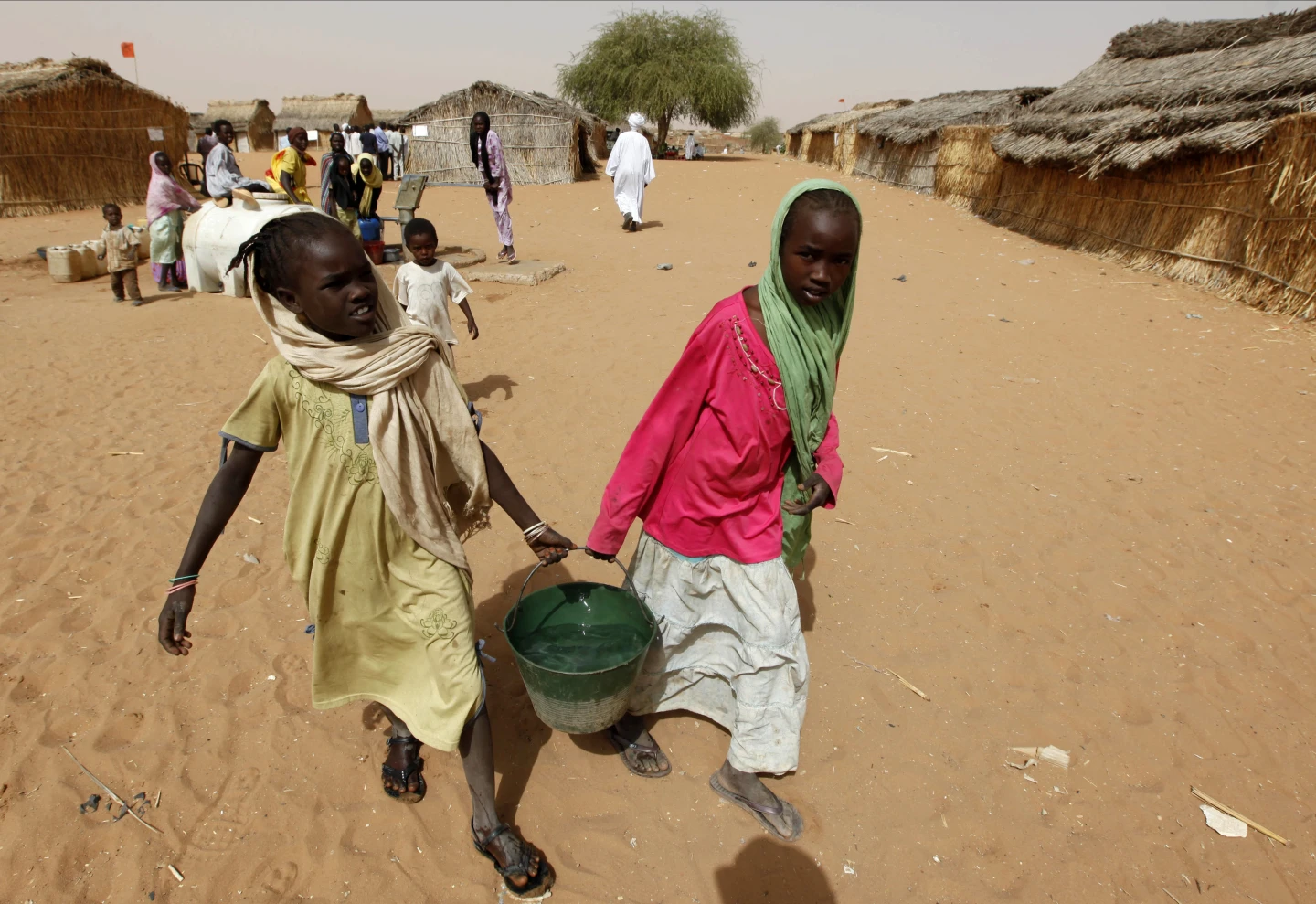
Sudanese refugee girls carry water supplies in the refugee camp of Zamzam
UN – Ongoing violence continues to devastate Sudan, with large-scale fighting intensifying in and around El Fasher, the capital of North Darfur, according to the United Nations. Joyce Msuya, the UN’s acting humanitarian chief, told the Security Council on Wednesday that the situation has reached critical levels, with famine already gripping Zamzam camp, located just 15 kilometers (10 miles) from El Fasher.
Msuya emphasized the urgency of the humanitarian crisis, stating that the need for large-scale aid is "a matter of life and death." Since conflict erupted in Sudan in April 2023—fueled by long-standing tensions between the country’s military and the paramilitary Rapid Support Forces (RSF)—violence has spread beyond the capital Khartoum to regions like Darfur, killing over 14,000 people and injuring 33,000.
Msuya urged the Security Council to press the warring parties to cease targeting civilians, hospitals, and schools, and to allow the safe and unhindered delivery of humanitarian aid across all borders and conflict zones. She also called on the UN's 193 member states to advocate for a humanitarian pause to save lives, give civilians respite, and enable the distribution of assistance.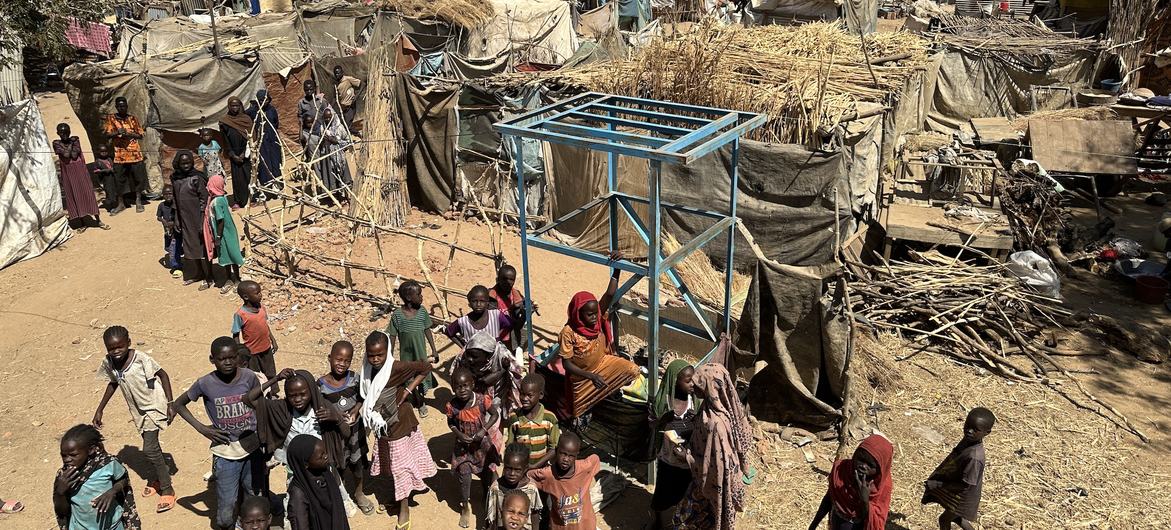
Children and their families stand near temporary shelters at an IDP camp in Zelingei town, central Darfur, Sudan
Darfur's dark legacy reemerges
Two decades ago, Darfur became infamous for genocide and war crimes, particularly by the Janjaweed militias against populations identifying as Central or East African. Up to 300,000 people were killed, and 2.7 million were displaced. Msuya warned that Darfur is now seeing a resurgence of similar atrocities. Earlier this year, International Criminal Court prosecutor Karim Khan indicated that there are grounds to believe both sides in the current conflict may be committing war crimes, crimes against humanity, or even genocide in Darfur.
Msuya stressed that "the world should not abide in El Fasher the atrocities we witnessed in West Darfur," underscoring the need for immediate international action.
Fighting escalates despite calls for ceasefire
In June, the UN Security Council passed a resolution demanding an immediate halt to the fighting in El Fasher. However, Msuya reported that both sides have ignored this call, with fighting intensifying in the past week. Heavy shelling and bombing have continued, causing widespread devastation.
"Civilians, especially women and children, have been hit. Civilian sites and infrastructure, including hospitals and camps for internally displaced persons, have also been targeted," Msuya told the council. She added that only one of El Fasher's three main hospitals remains partially functional after sustaining significant damage in August.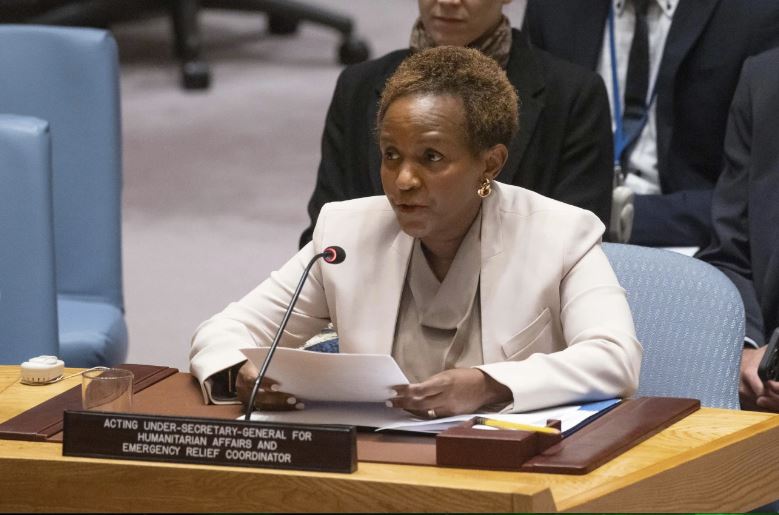
Joyce Msuya
Famine and food insecurity worsen
The situation at Zamzam camp, which houses around 500,000 displaced people, has deteriorated into famine, confirmed by international experts in August. Msuya revealed that close to 1.7 million people in North Darfur now face "acute food insecurity," with 13 other areas in Sudan also at risk of famine.
In February, Doctors Without Borders reported that a child was dying every two hours in Zamzam camp. Msuya shared the latest findings from a screening conducted by the medical organization and Sudan’s Ministry of Health in early September, which indicate that 34% of children in the camp are malnourished, with 10% suffering from severe malnutrition.
While aid deliveries have been hampered by ongoing fighting and seasonal flooding, Msuya expressed hope that as floodwaters recede in the coming weeks, the UN will be able to move food and supplies into El Fasher and other famine-threatened areas.
Urgent need for de-escalation and access to aid
Msuya stressed that the key to addressing the catastrophic humanitarian situation lies in a de-escalation of violence and the willingness of both sides to allow access to those in need.
"Without safe and predictable access, and a steady supply of food and humanitarian supplies, we will see a dramatic spike in mortality — including children — in Zamzam and surrounding areas," she warned.
Msuya added that the broader situation across Sudan remains dire, with Khartoum and the southeastern states of Sennar and Jazeera particularly devastated by relentless violence.
The Security Council continues to grapple with how best to address the crisis, as the humanitarian and security situation in Sudan shows no signs of improvement.
Source: Associated Press (AP)



