Agencies
The World Health Organization (WHO) has issued an alert over the Nipah virus, describing it as a rare but serious infectious disease, while emphasising that the risk of widespread transmission remains low. The warning follows the confirmation of new cases in India, which briefly triggered heightened health screenings at several international airports.
Speaking after the outbreak in India’s West Bengal state, WHO Director-General Dr Tedros Adhanom Ghebreyesus said the reported cases were limited to India and had not spread to any other country.
“The two cases of Nipah virus infection reported by India in West Bengal are the third in this state since the virus was first identified in 1998. No cases have been reported in any other country linked to this outbreak,” Dr Tedros said in a statement shared on X. He added that Indian health authorities were closely monitoring more than 190 contacts, none of whom had developed symptoms, underscoring the low risk of human-to-human transmission.
What This Means for Uganda
For Uganda, health experts say the immediate risk remains low, as no cases have been detected in Africa in relation to the current outbreak. However, Uganda’s frequent air travel links with Asia, particularly for trade, education, and labour migration, mean that vigilance is necessary.
Uganda has in recent years strengthened its disease surveillance and emergency response systems due to past experiences with Ebola, Marburg, and COVID-19. Public health officials say these systems place the country in a better position to detect and respond to any imported case early, should one occur.
The Ministry of Health routinely screens travellers at Entebbe International Airport for infectious diseases of public health concern. If Nipah were to spread beyond India, Uganda could intensify entry screening, contact tracing, and public health messaging without imposing immediate travel restrictions, in line with WHO guidance.
WHO Position on Travel and Transmission
WHO has reiterated that there is currently no need for travel or trade restrictions, noting that there is no evidence of increased human-to-human transmission. Despite this, several countries, including Thailand, Malaysia, Nepal, Taiwan, and Singapore, have temporarily reinstated COVID-era health screenings as a precaution. According to WHO, Nipah virus has a fatality rate ranging between 40% and 75%, depending on the outbreak and access to supportive care. There is currently no approved vaccine or specific antiviral treatment, making early detection and supportive medical care critical to reducing deaths.
Symptoms and Incubation Period
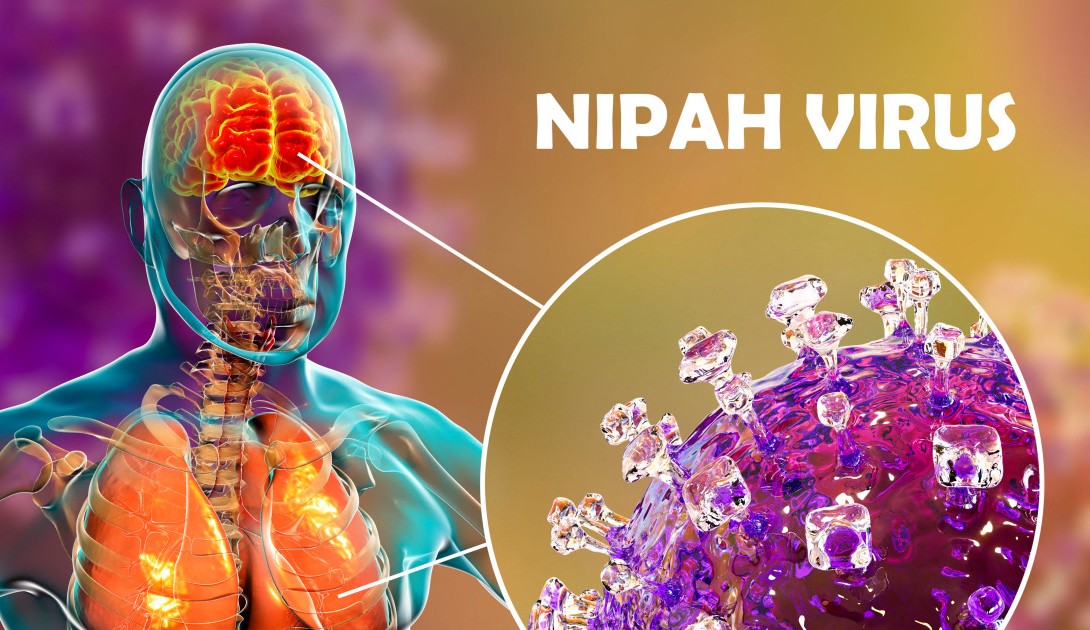
Early symptoms of Nipah infection include fever, headache, muscle pain, and general body weakness. In severe cases, the disease can progress to respiratory distress and encephalitis (brain inflammation).
WHO says the incubation period typically ranges from 3 to 14 days, though in rare cases it can extend to as long as 45 days.
Details of the India Outbreak
India’s Ministry of Health and Family Welfare confirmed two Nipah virus disease (NiVD) cases on January 26 among health workers in West Bengal’s North 24 Parganas district. Health authorities later reported that both patients showed improvement and tested negative.
In a statement, WHO said both cases developed symptoms of severe Nipah infection in late December 2025 and were hospitalised in early January 2026. As of January 21, 2026, one patient remained in critical care, while the second showed significant clinical improvement.
How the Virus Spreads
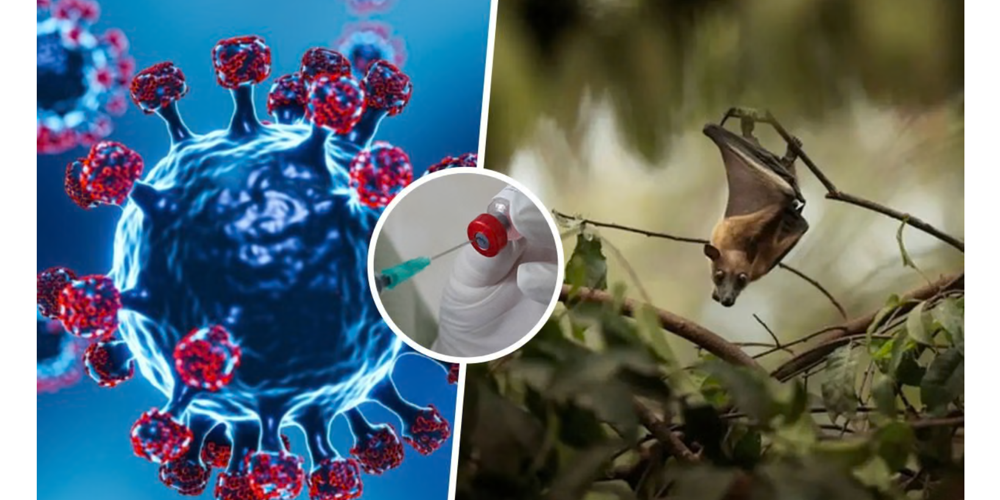
Nipah virus is a zoonotic disease transmitted from infected animals—particularly fruit bats—to humans. Transmission can occur through close contact with infected animals, consumption of contaminated food, or close contact with an infected person. For Ugandans, health experts advise avoiding consumption of raw or partially eaten fruits that may have been contaminated by bats, practising good hand hygiene, and seeking immediate medical attention if symptoms develop after recent international travel. While there is no cause for panic, authorities stress that continued vigilance, accurate public information, and strong disease surveillance remain essential to preventing any potential public health threat.
Torch Media Africa
Published By | Features Editor