Written By | Staff Writer
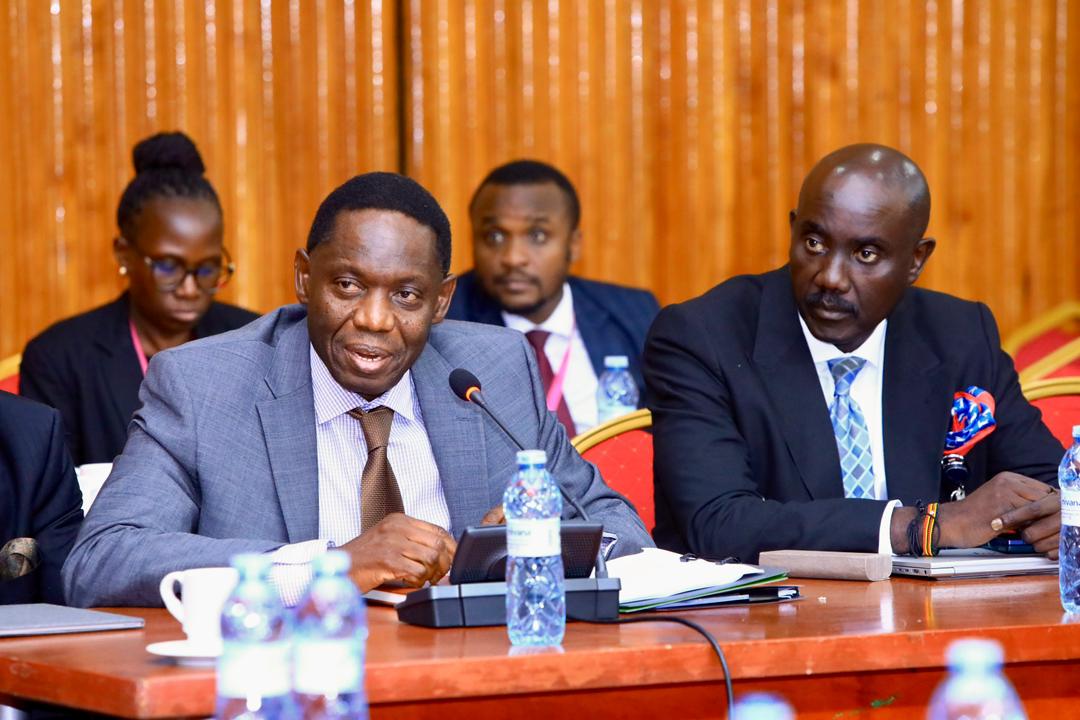
Governor Michael Atingi-Ego while appearing before Parliament’s Joint Committee
KAMPALA
Bank of Uganda has revealed that the anticipated revenue from Uganda’s oil production will not be sufficient to shield the country from possible economic disruptions that may arise following the enactment of the proposed Protection of Sovereignty Bill, 2026.
The revelation was made by Bank of Uganda Governor Michael Atingi-Ego while appearing before Parliament’s Joint Committee on Defence and Internal Affairs and the Legal and Parliamentary Affairs Committee, where he presented the Central Bank’s views on the controversial Bill.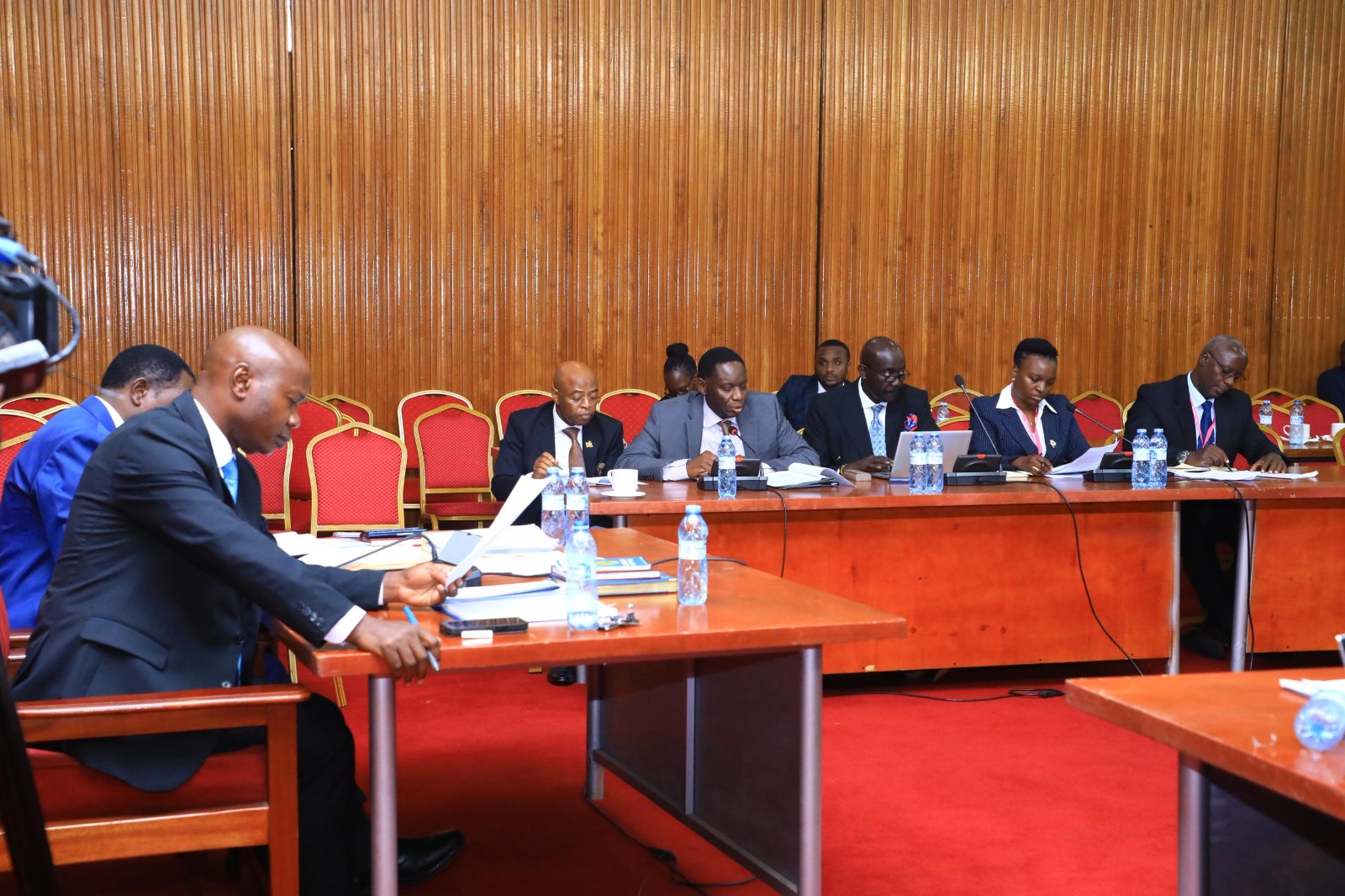
Parliament’s Joint Committee on Defence and Internal Affairs
Atingi-Ego cautioned lawmakers against relying heavily on expected oil revenues, noting that a significant portion of the earnings from first oil production will go toward servicing debts incurred to finance Uganda’s oil infrastructure and related investments.
“Most of that money is going to be paid out for debt and not coming back. So, that first oil is not sufficient to handle problems the way it is,” Atingi-Ego said.
He added that even without projected rapid economic growth, the expected oil revenue would not substantially rescue the economy due to the large financial outflows associated with the sector.
“The development of the upstream and the downstream has largely been undertaken through loans. So, the first oil will not be able to be a substitute if this Bill is enacted,” he added.
The Governor was responding to concerns raised by Fox Odoi, MP for West Budama North East, who sought clarification on claims by supporters of the Bill that Uganda’s economy had matured enough to become less dependent on foreign funding once oil production begins.
Odoi questioned whether projected revenues from Uganda’s first oil, expected around July 2027, would be enough to stabilize the economy and address concerns over the balance of payments.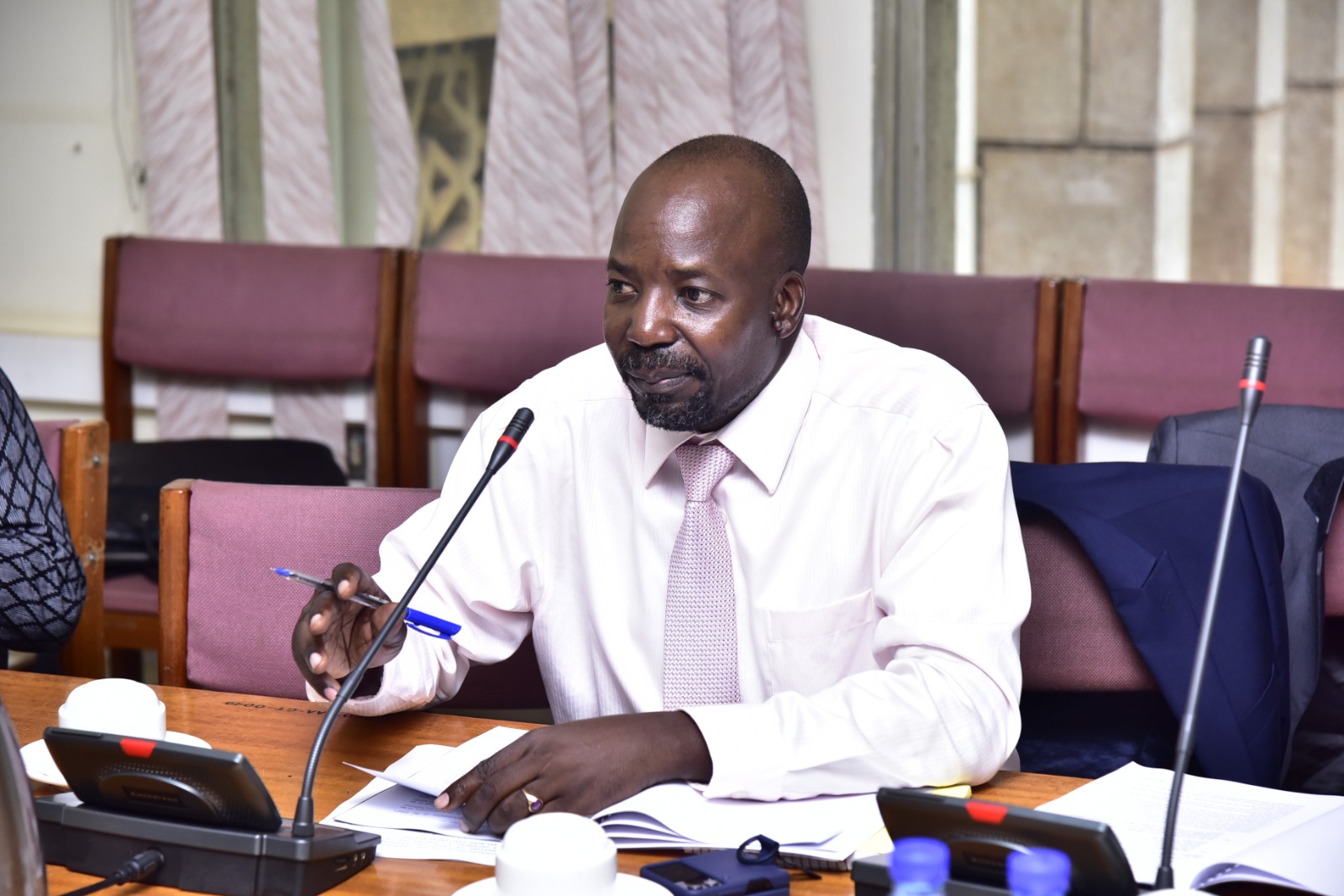
Fox Odoi
In response, Atingi-Ego explained that the burden of debt repayment would not only affect government finances but also private oil sector investors such as CNOOC and TotalEnergies, whose investments were financed through debt or equity that must eventually be repaid.
“If you look at the growth of debt in Uganda, it is partly to develop that infrastructure. Currently, we are having huge amounts of debt repayment, partly made possible by the loans,” he said.
He cited oil roads as one example of infrastructure financed through borrowed funds.
“Take, for example, those oil roads. That is all borrowed money. So, we are currently paying about US$2 billion per annum, and we are going to continue for the next four or five years paying that US$2 billion per annum,” Atingi-Ego said.
The remarks are likely to intensify debate around the Protection of Sovereignty Bill, 2026, particularly on whether Uganda’s emerging oil sector can provide enough economic independence to justify policy shifts tied to foreign funding and external influence.
Torch Media Africa



