Written By |
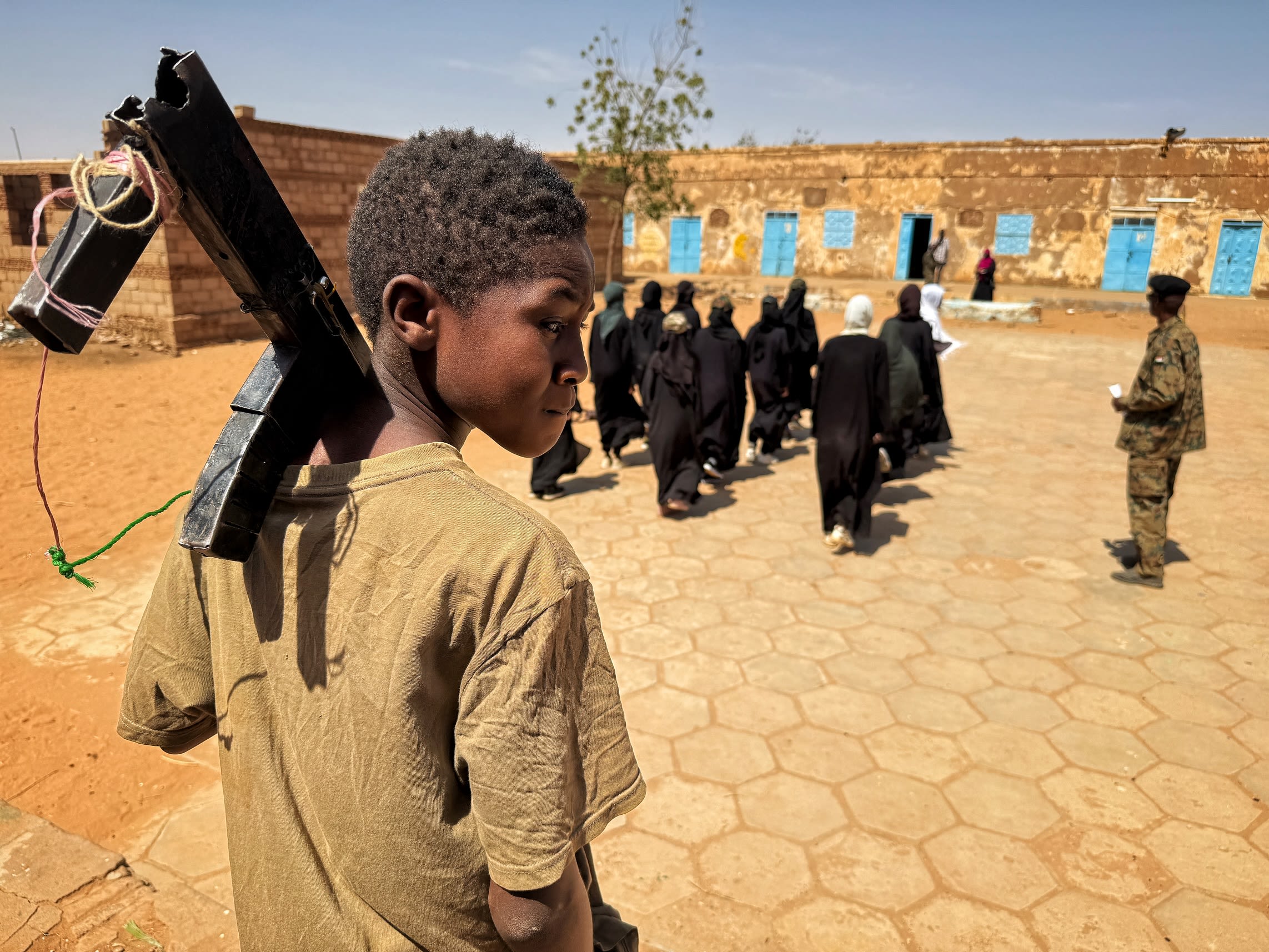
Since the war began, thousands of children have been maimed and killed by RSF artillery, SAF airstrikes, and stray bullets, others forced into soldiers
Khartoum
Sudan’s capital was on the verge of being reclaimed by the army when we traveled there. In Omdurman, located on the northwest edge of the city, children in full military gear stood on street corners chanting support for the army, while parades celebrated civilian recruitment. Fighting erupted in Sudan in April 2023 due to a power struggle between the Sudanese Armed Forces (SAF) and the paramilitary Rapid Support Forces (RSF), escalating into open warfare.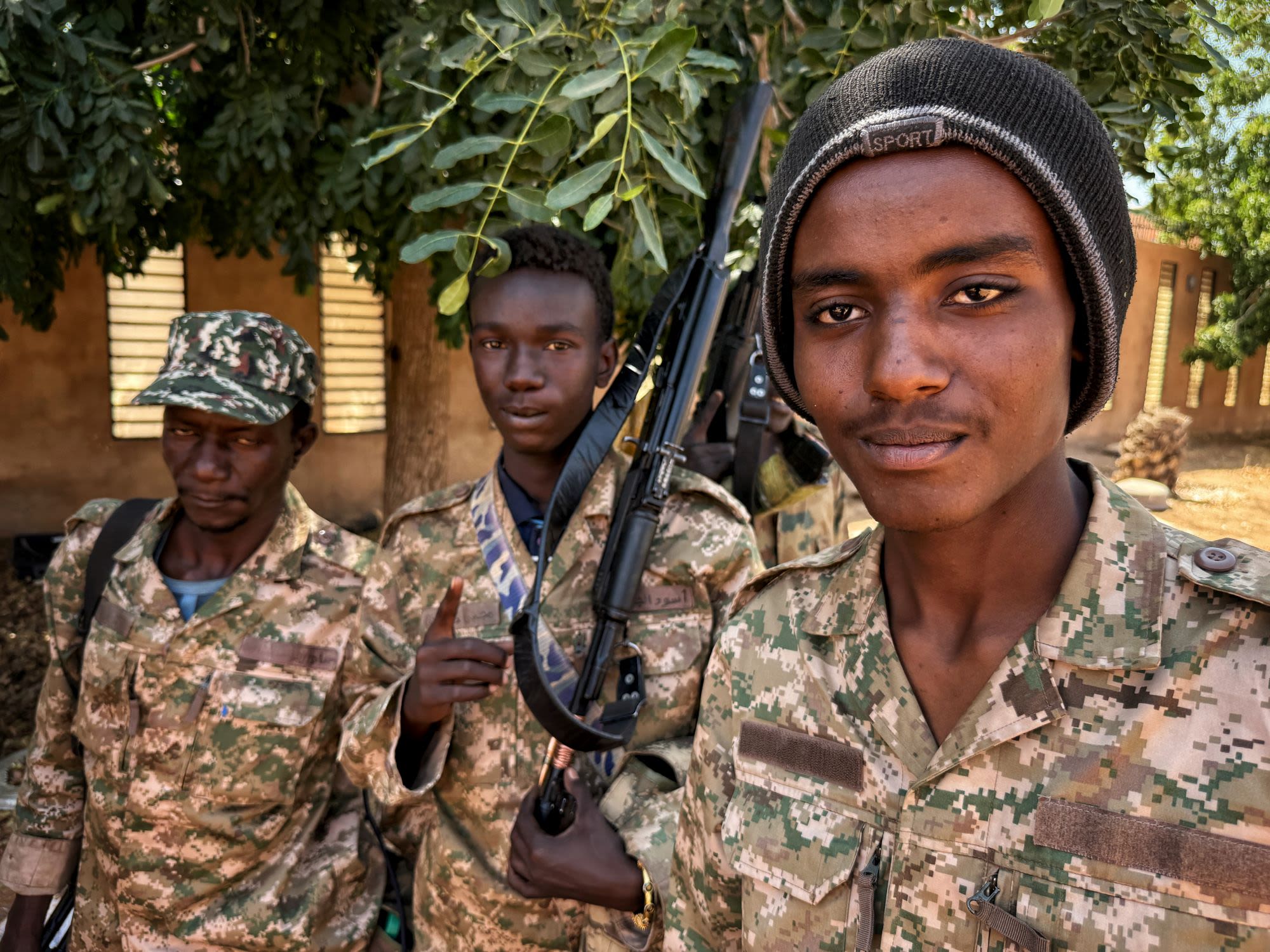
Child Soldiers
In recent months, the RSF has suffered multiple battlefield defeats as the military moves to reclaim territory. Amid this struggle for absolute power, more than 60,000 people are estimated to have been killed, and millions have been forced to flee their homes in Khartoum state alone. Some families have been left eating grass in desperation as famine sweeps parts of the country.
With little protection against combat and worsening living conditions, the country’s youngest citizens are among the hardest hit. A small crowd gathers at the site of a deadly shell attack in one of Omdurman’s deprived neighborhoods. Some women wail, while others stare at the bombed house in shock. News spreads that eight members of the same family were killed. A woman points to an 11-month-old baby sleeping in a neighbor’s arms. The child, Jihan, lost her mother, grandmother, and two older sisters in a strike on February 19.
“She was crying for her mother and has only just fallen asleep,” says an elderly neighbor, cradling the infant. Inside the house, 11-year-old Mohamed sobs in the arms of his uncle near the crater where the shell landed. The family had been drinking coffee when the blast shattered windows and shrapnel tore through the home.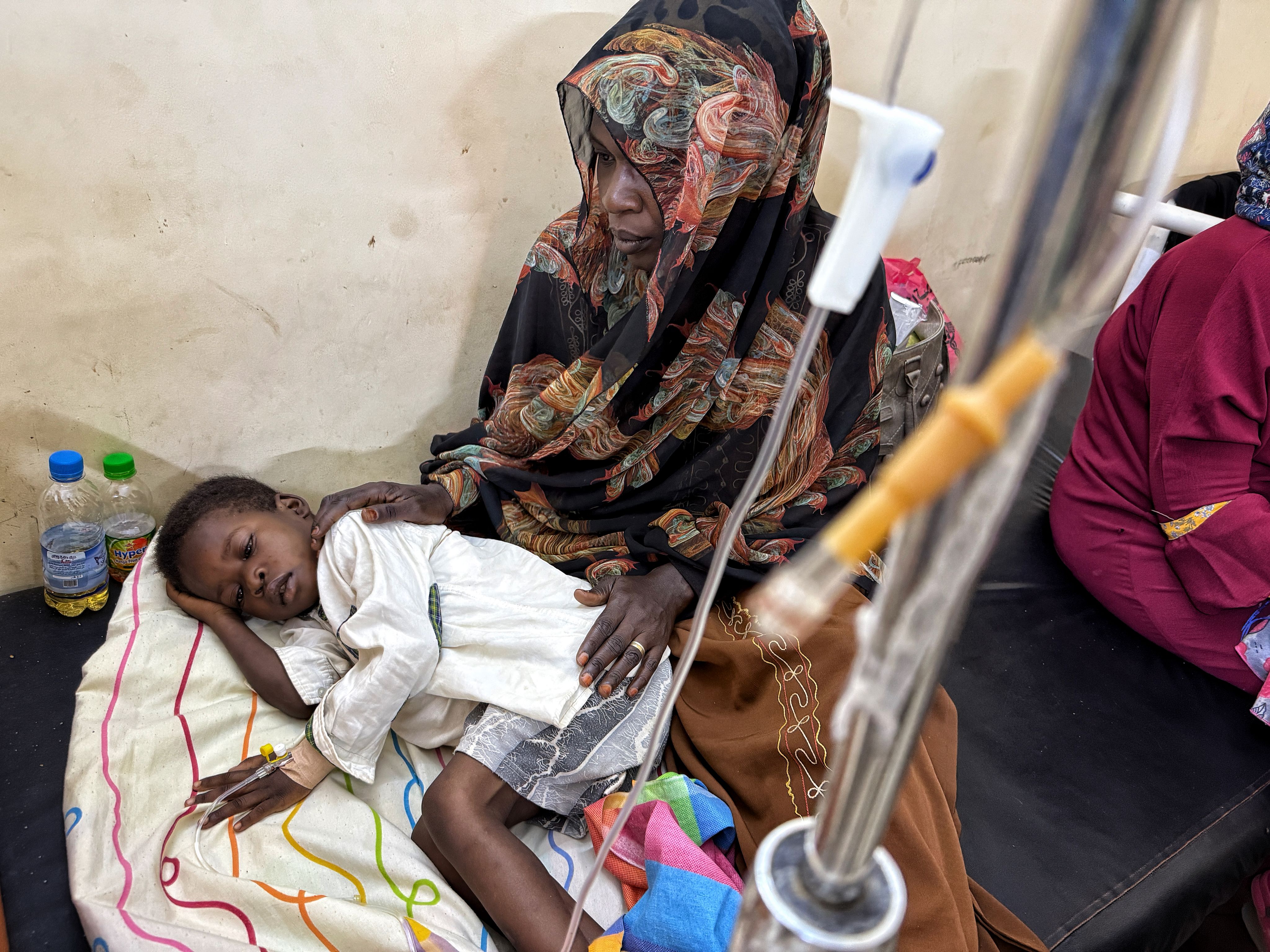
The shell reportedly came from RSF-held territory, a reminder that the militia remains active on the capital’s peripheries despite losing grip on its center. Originally from the western region of Darfur, the RSF has been sanctioned by the U.S. and accused of genocide, claims it vehemently denies. At the site of one of their latest strikes, Fatma* lists the casualties in a daze.
“One of my sisters was killed, and two of her daughters, Juhayna and Abeer, were carried out, but I don’t know if they are dead or alive,” she says, her voice breaking. A young cousin nearby confirms they did not survive.
“Our neighbor’s young daughter had her guts spill out of her body, and another boy had his leg severed,” Fatma sobs, collapsing against a parked car.
Not far from the bomb site, the bodies of Fatima’s family lie in the morgue, wrapped for burial. Among them are four children, the youngest just three years old.
“Why were they involved?” asks Sami, a volunteer mortician. “They are innocent.”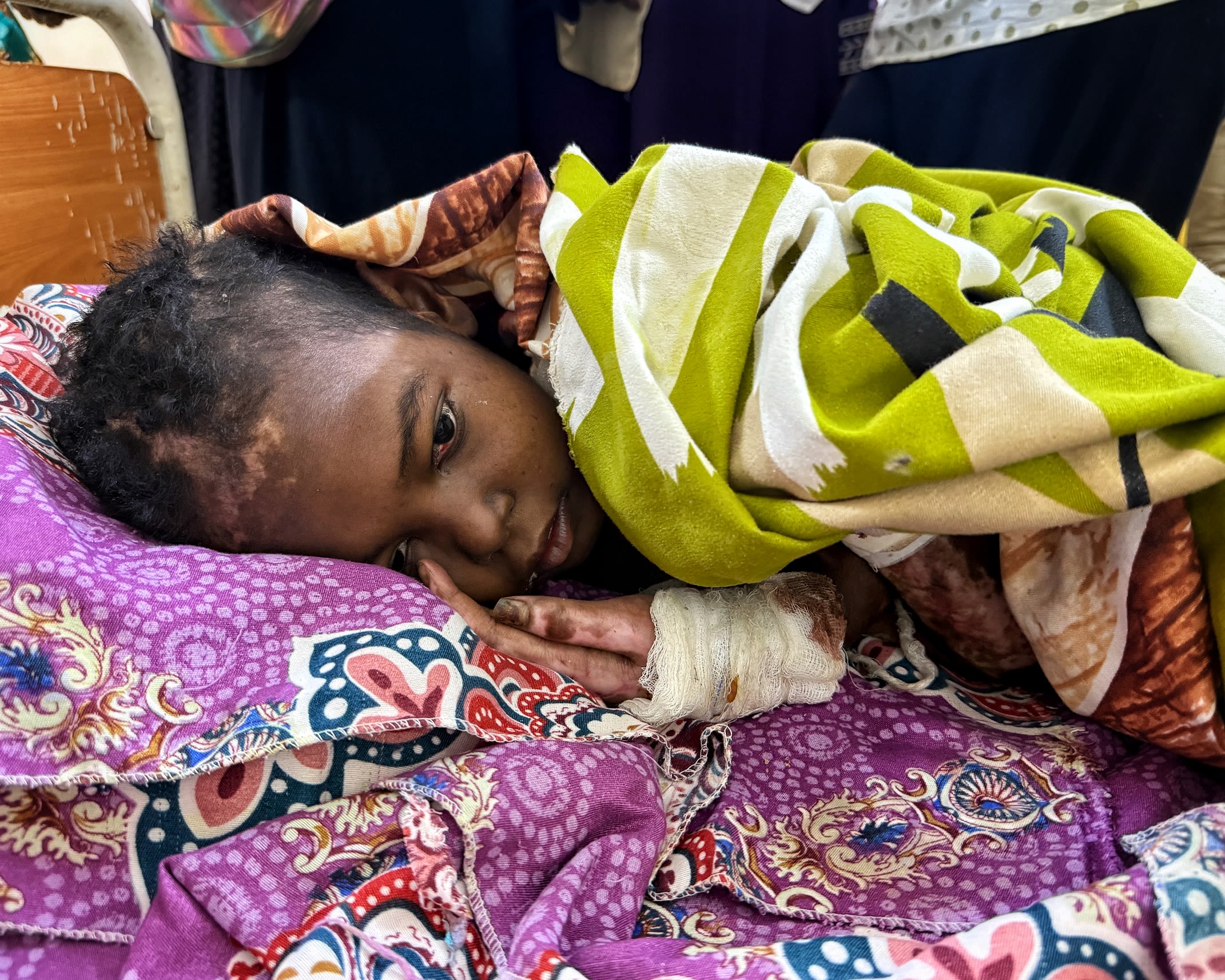
Since the war began, thousands of children have been maimed and killed by RSF artillery, SAF airstrikes, and stray bullets. Millions suffer from sickness and starvation, straining the country’s capacity to care for children, who make up nearly half of Sudan’s population.
As the army regains territory from the RSF, families in Omdurman are finally able to leave besieged areas and take their injured children to hospitals.
“The total number of patients admitted per day is 150 – all of them children.”
At Al Buluk Hospital, the last functioning facility dedicated to pediatric care, chaotic scenes unfold. Infants receive oxygen from a dilapidated device in the reception, babies are examined on desks, and older children lie sprawled on metal benches. The screams of 11-year-old Fardous, who suffered severe burns, ring out. Her bandages are soiled with stale blood, and other mothers watch in discomfort. A victim of a shell attack, Fardous was stranded for months in a besieged area with no access to treatment.
“I went into the flames to pull her out,” says her mother, Khadija, displaying burns on her forearm. “I got her out, but her clothes were burning and burned her even more.”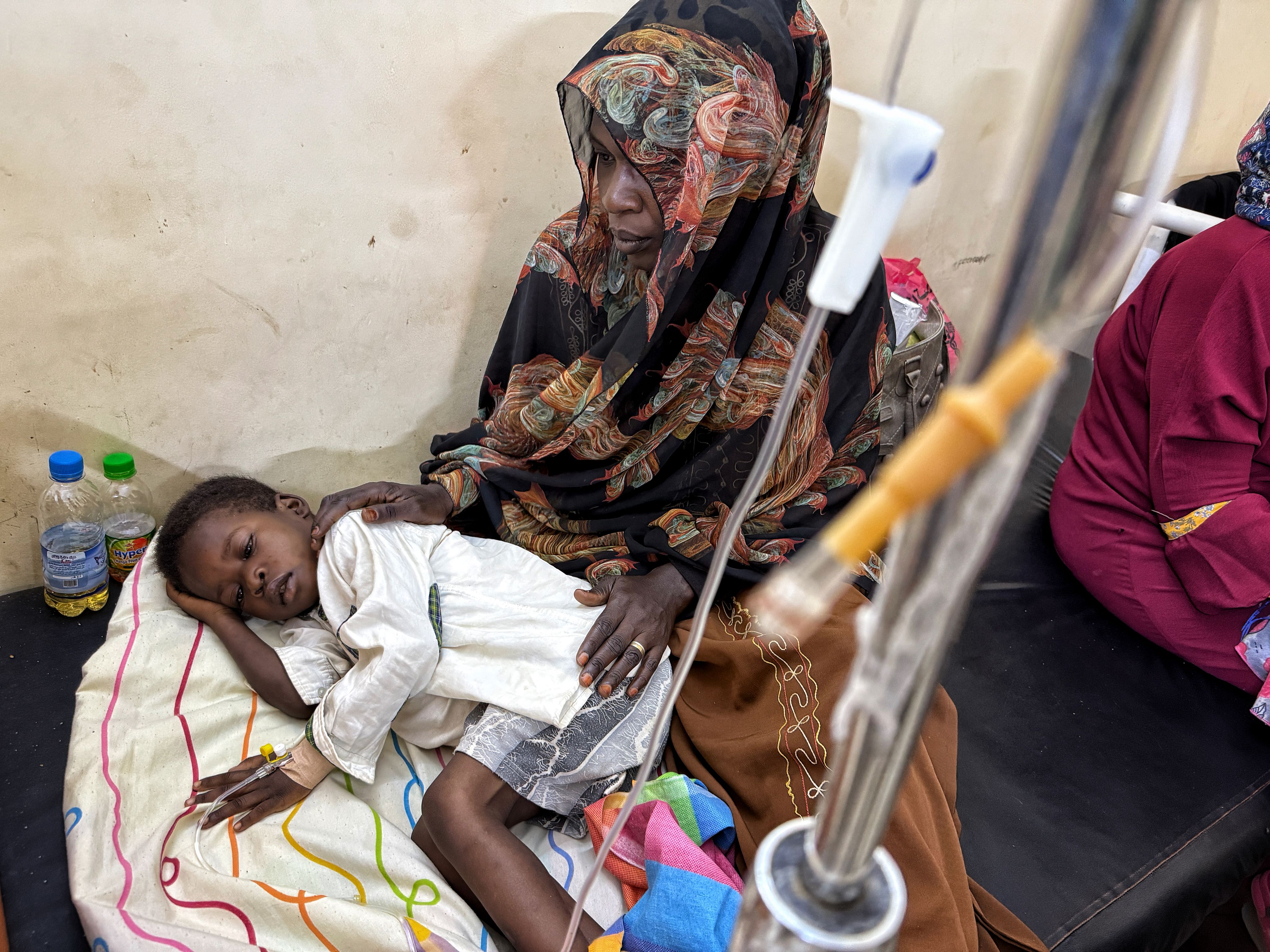
Fardous was one of five million children displaced by the war and eventually died far from home. As fighting continues, the world’s largest humanitarian crisis unfolds. Thousands of families have fled Khartoum, now the main battleground for control of Sudan.
Under Kober Bridge in Bahri (Khartoum North), an album of family photos is scattered among bullet casings. Beds looted from houses sit under the arches, while wooden weapon boxes lie open. The bridge, once a key RSF garrison, is now contested.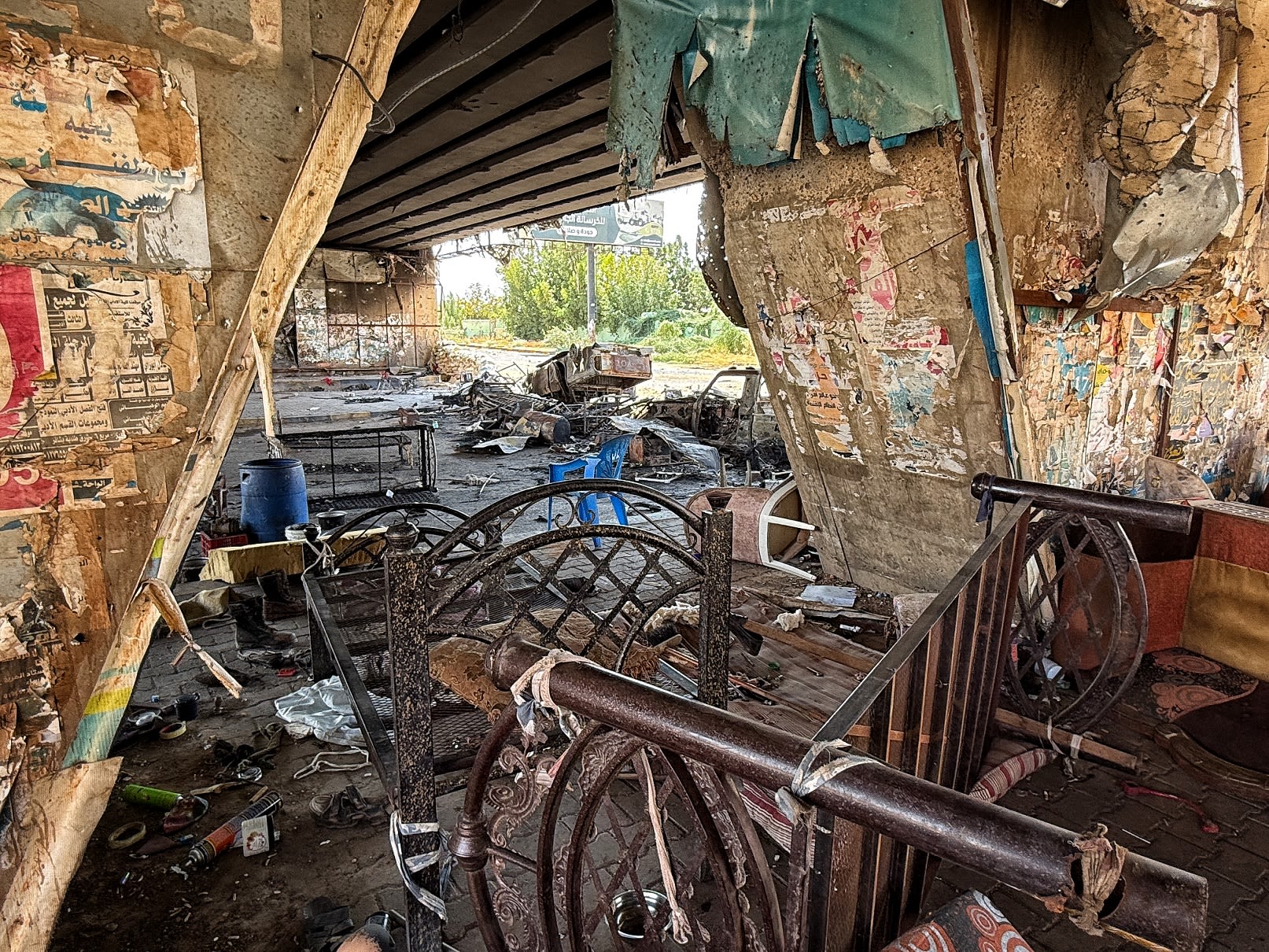
Kober Bridge
The SAF has cleared the bridge’s western side, opening access to military headquarters and the northern airport, but deadly RSF snipers still control the east. To claim full victory, the military must clear the RSF-occupied homes in some of Sudan’s most densely populated areas.
Just north of the bridge, in Bahri’s commercial district, a villa bears RSF graffiti. Above the red spray-painted words “Rapid Support” is a plaque bearing the name of the professor who owned the home. Toy cars and roller skates lie overturned in the courtyard. Even electrical cables have been stripped from the walls.
Outside, motorbikes speed past, carrying soldiers heading to battle. Gunfire and shelling are constant, making civilian return impossible. The streets once bustling with families are now military thoroughfares as the SAF pushes deeper into Khartoum.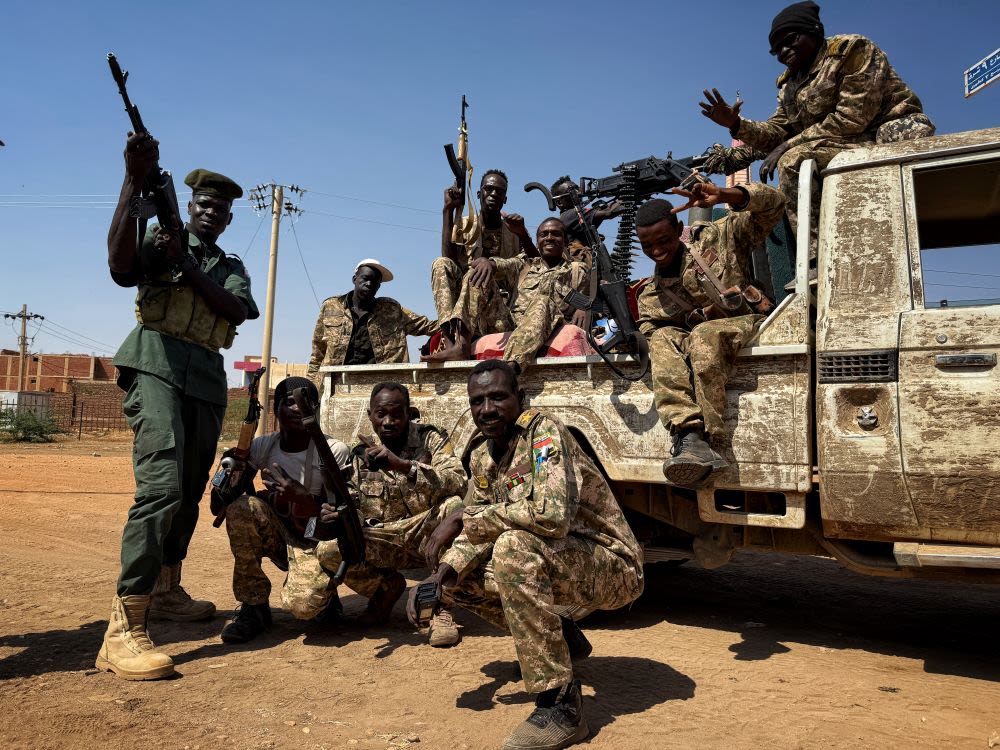
Across the river in Omdurman, billboards feature SAF elite. Teenage boys, dressed in dark green military fatigues, sling guns over their shoulders. Even toddlers are encouraged to support an army accused of human rights abuses and child recruitment.
“All their playtime is about violence and guns,” says Mahasin, a mother of three. She worries about her older sons, who are growing violent toward their baby brother, who suffers from acute malnutrition.
“This is their life now – not football or TV like before. Even when they watch TV, they want action movies.”
Gunfire and shelling echo through Omdurman as ambulances rush in and out of Al Nao Hospital, one of the city’s last functioning emergency centers. Its wards are filled with men, women, and children caught in the crossfire, including 10-year-old Salah, who was shot while walking to a mosque. In an upstairs corridor, Ibrahim sits with his seven-year-old son, Abdullah, who suffered brain damage from shrapnel.
“The shell hit our house, injuring him, his mother, and two sisters,” Ibrahim says. “He has three pieces of shrapnel inside him—two in his brain. This is the will of God.”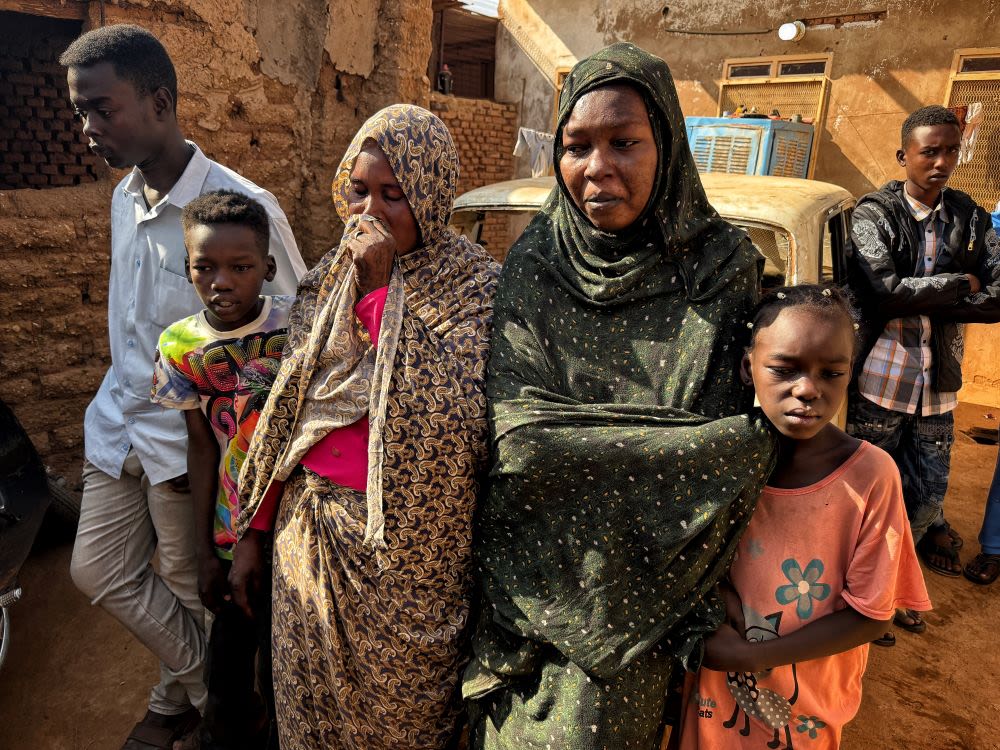
In a backyard shelter, young girls undergo military training from an SAF officer, shouting “Allah” in unison. Thousands of women and girls have taken up arms in self-defense against mass rape and sexual slavery by the RSF.
Meanwhile, survivors seek refuge in Omdurman. Seventeen-year-old Hanadi*, cradling her baby, has escaped a life of slavery in Khartoum. An RSF soldier forced her into marriage at 15, after shooting her mother and detaining her father and brother.
“I worked as a slave for him and his brother—cooking and cleaning. He forced himself on me, tied me to the bed, and beat me,” she says.
Her baby, Adam, coos in her lap.
“When I fell pregnant, he tried to force an abortion. When I refused, he pushed me around, hoping I’d miscarry… Once Adam was born, he tried to suffocate him.” Her eyes fill with love as she plays with her son. “My son will benefit me later,” she smiles.
This is the legacy of a war the world has largely ignored—but for the millions affected, it will never be forgotten.
Source: Sky News



