Uganda has temporarily closed its border with the Democratic Republic of Congo (DRC) following the continued escalation of the Ebola outbreak in the neighbouring country and growing fears of cross-border transmission.
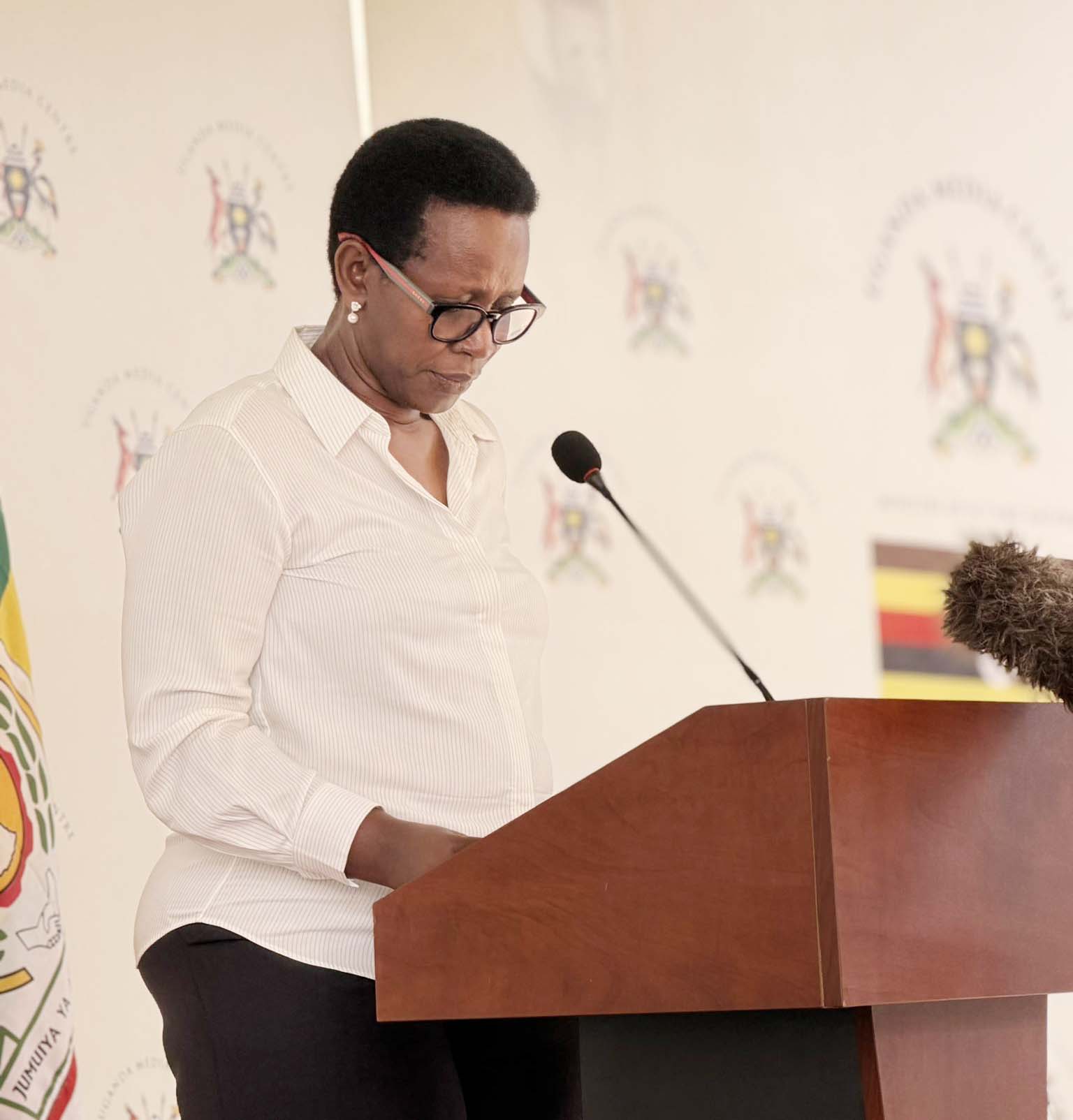
The decision was reached by the National Task Force on Ebola Response, chaired by Vice President Jessica Alupo, during a high-level meeting held on May 27, 2026.
According to resolutions issued after the meeting, the border closure takes immediate effect and is intended to protect Ugandans from the highly contagious and deadly disease.
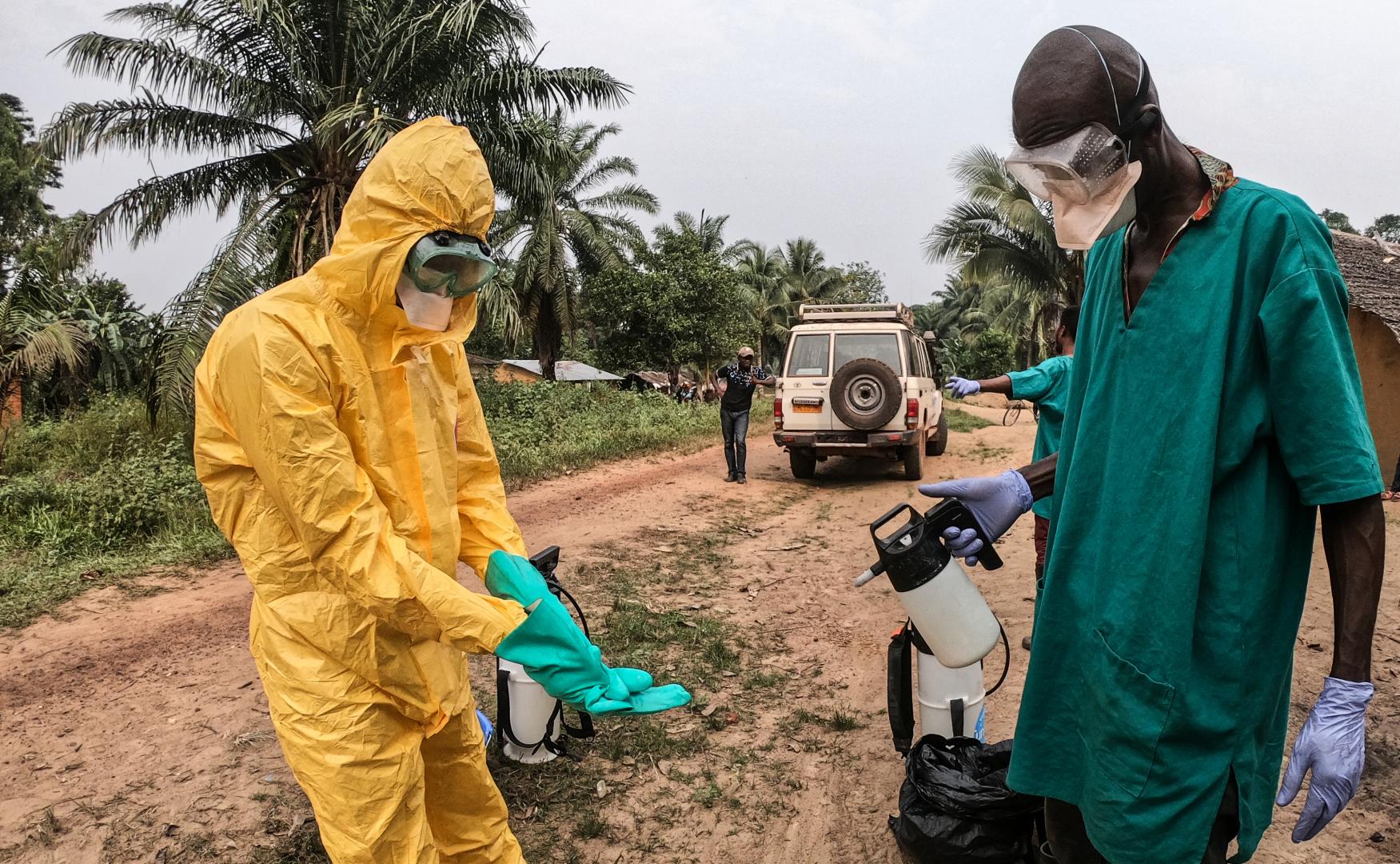
Despite the closure, the government said authorised Ebola response teams, humanitarian operations, food and cargo transportation, and essential security movements will still be allowed under strict health screening and monitoring measures.
Vice President Jessica Alupo said the government had taken the decision after assessing the increasing risk posed by the outbreak in eastern DRC and the continued movement of people across the border.
She noted that all authorised travellers entering Uganda from the DRC would be subjected to mandatory health screening, documentation, locator forms, and continuous monitoring in line with Ministry of Health surveillance guidelines.
Dr Diana Atwine, the Permanent Secretary at the Ministry of Health, said any person returning from the DRC to Uganda would undergo mandatory self-isolation for 21 days under the supervision of Ministry of Health officials and district surveillance teams.
She explained that schools in border districts would remain open but would be required to strictly observe all Ebola prevention Standard Operating Procedures (SOPs).
Dr Atwine added that school authorities had been directed to identify learners who recently returned from the DRC and ensure their temperatures are monitored and recorded daily for 21 days.
She further noted that districts along the Uganda-DRC border had been instructed to designate at least one health facility to isolate and monitor any learner who develops Ebola-like symptoms, such as fever, during the observation period pending further medical assessment.
The task force also directed Resident District Commissioners (RDCs) and Resident City Commissioners (RCCs) to ensure strict enforcement of all Ebola prevention and control measures issued by the Ministry of Health and the National Task Force. The government further ordered all media houses across the country to dedicate at least 30 minutes of prime-time programming daily to Ebola public sensitisation, focusing on prevention, early detection, and reporting of suspected cases.
Uganda has previously battled several Ebola outbreaks, with health experts warning that the country remains highly vulnerable because of the movement of people and goods along the porous Uganda-DRC border.
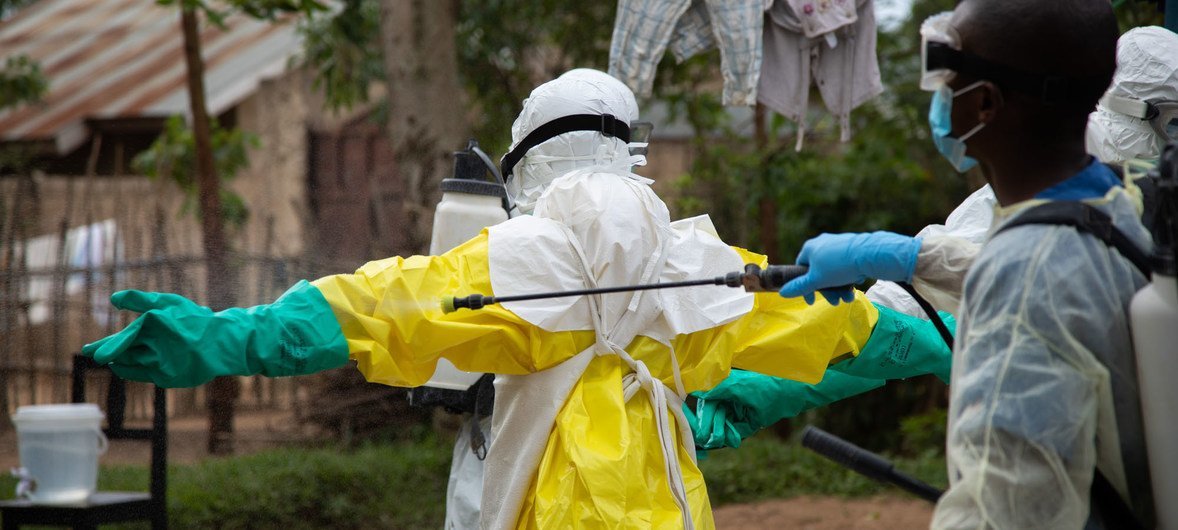
Health officials have urged the public to remain vigilant, maintain proper hygiene, avoid unnecessary cross-border travel, and immediately report suspected Ebola symptoms to health authorities.
Torch Media Africa
Published By | News Editor