Written By |
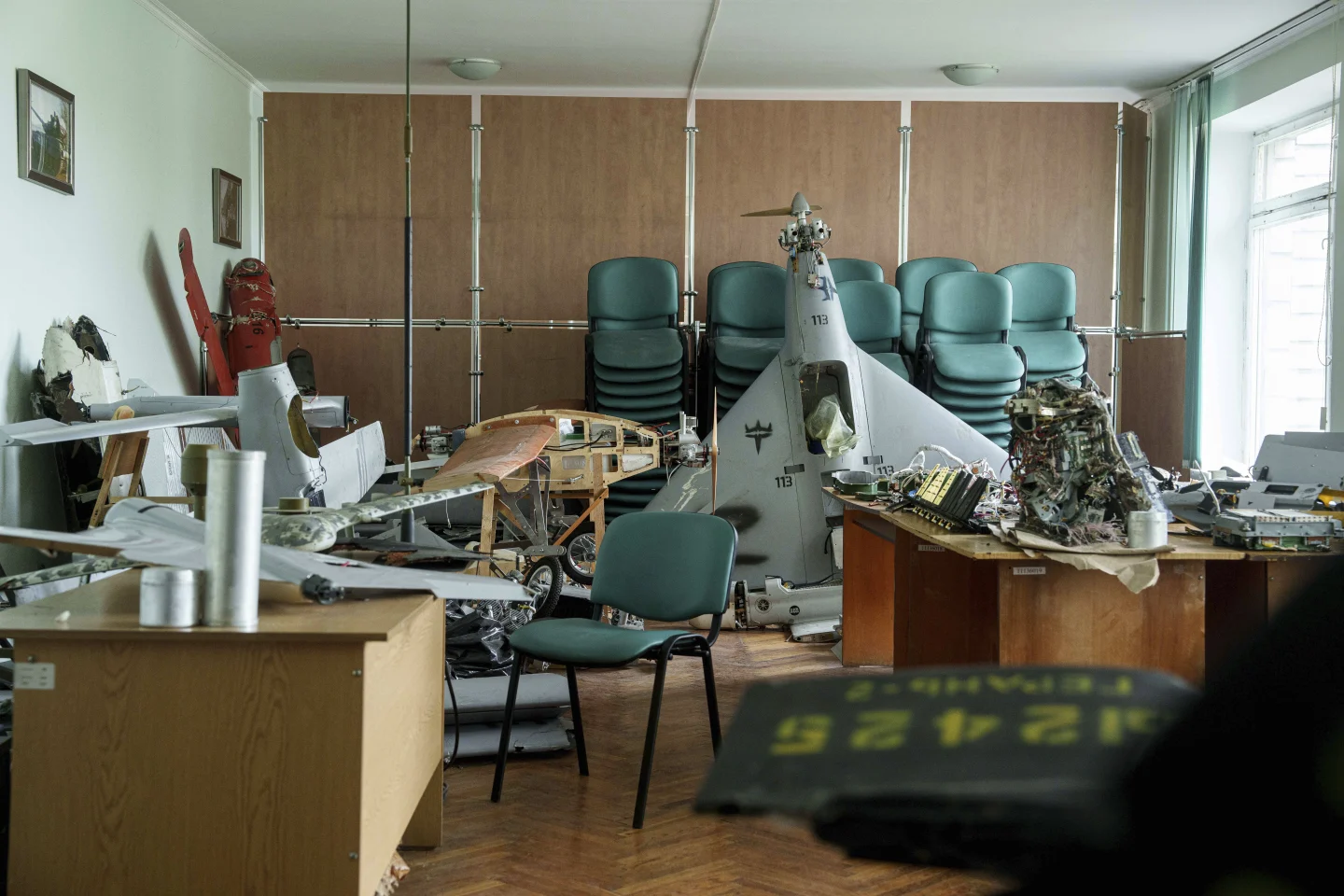
Parts of downed Shahed drones launched by Russia are piled in a storage room of a research laboratory in Kyiv, Ukraine, on Aug. 28, 2024. (AP Photo)
Social media advertisements promised young African women a chance at a European adventure, offering free plane tickets, money, and employment in fields like hospitality and catering. However, upon arrival in Russia’s Tatarstan region, some discovered they had been duped into working in factories assembling attack drones for the war in Ukraine.
The women, mostly aged 18-22 and recruited from countries like Uganda, Rwanda, Kenya, South Sudan, Sierra Leone, and Nigeria, had expected to study and work in various industries. Instead, they found themselves under constant surveillance, working long hours in harsh conditions and handling hazardous chemicals, some of which caused skin irritation and other health issues.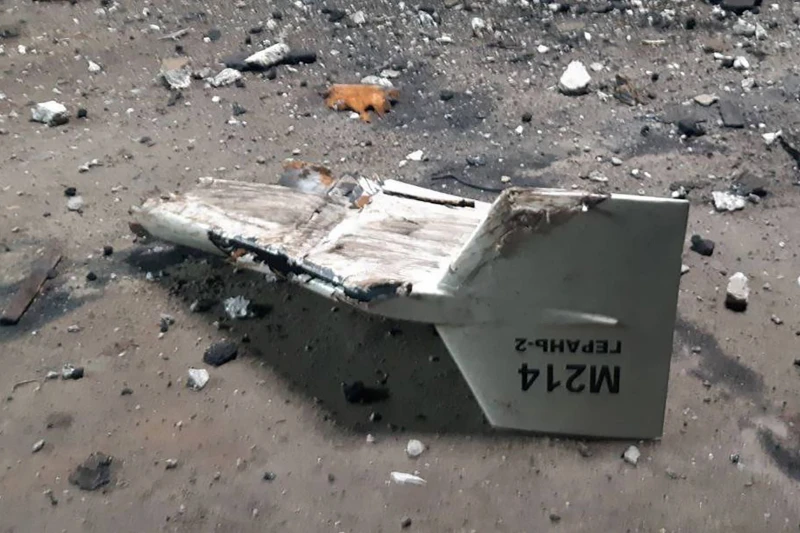
Photograph released by the Ukrainian military shows the wreckage of a Russian-fired Shahed drone that it said was downed near Kupiansk, Ukraine. (AP photo)
Interviews with several women revealed broken promises regarding wages and working conditions. Many said they had been misled into believing they would work in less dangerous jobs, only to find themselves assembling Iranian-designed drones used in Russian military operations. One woman recalled, "I don't really know how to make drones."
The Associated Press investigated the situation by analyzing satellite images, reviewing leaked internal documents, and interviewing half a dozen women who had been recruited. It found that the Russian drone factory, located in the Alabuga Special Economic Zone, ramped up production following Russia’s invasion of Ukraine. The factory, initially set up in 2006 to attract investment to Tatarstan, has since shifted to military production, becoming a key site for manufacturing Shahed-136 drones.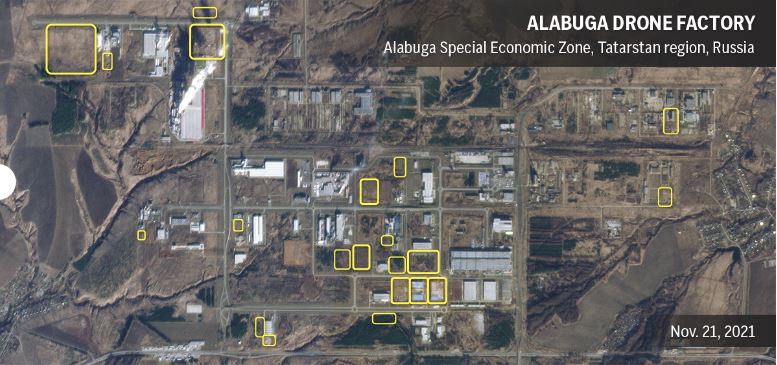
Alabuga Drone factory
The women described being under strict supervision in their dormitories and at the factory. They worked with caustic chemicals without adequate protective gear, leading to skin problems. Some said they were encouraged to inform on one another, further heightening their sense of entrapment.
Despite the promises of lucrative jobs, the reality fell far short of expectations. Wages, initially advertised at $700 a month, were later lowered to just over $500, with deductions for accommodation, medical care, and airfare. Many struggled to cover basic expenses, with one worker calling their treatment akin to being “slaved.”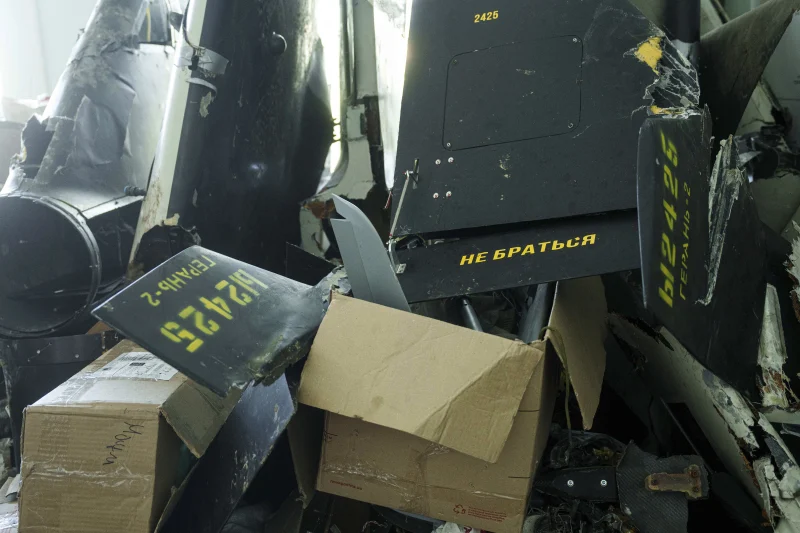
Parts of downed Shahed drones launched by Russia are piled in a storage room of a research laboratory in Kyiv, Ukraine, on Aug. 28, 2024. (AP Photo)
The recruitment drive, known as "Alabuga Start," has targeted women from Africa, Asia, and Latin America. Although the factory management discourages women from leaving, some have reportedly managed to find other work in Russia, though this could not be independently verified. Human rights organizations have raised concerns about the program, with the U.N. suggesting that such recruitment efforts could potentially meet the criteria for human trafficking if fraudulent.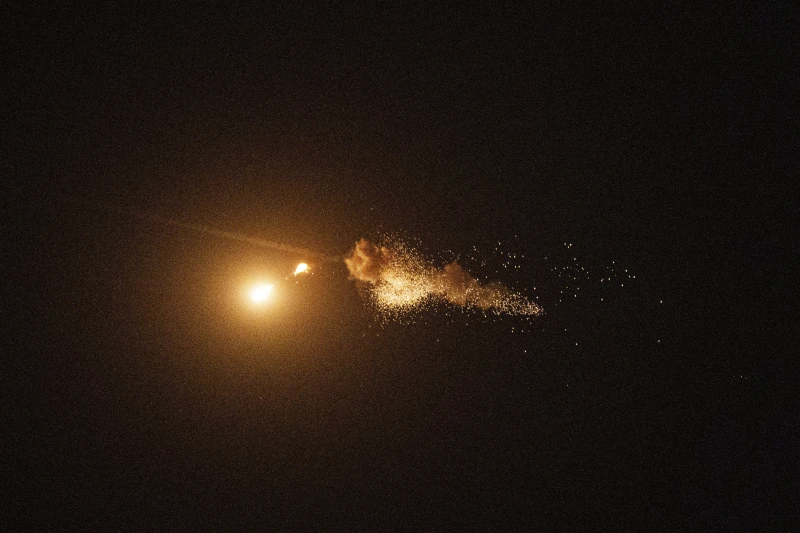
Ukrainian air defenses intercept a Shahed drone during a Russia aerial attack on Kyiv, Ukraine, on Saturday, Sept. 7, 2024. (AP Photo)
While Russia’s drone production is ahead of schedule, experts have questioned the quality of the drones, suggesting that problems caused by the unskilled labor force may be contributing to high failure rates. An analysis by drone expert David Albright found that nearly 95% of Russian-launched drones have failed to hit their targets.
Despite these challenges, Alabuga’s social media pages continue to promote the program as a pathway to employment, with upbeat videos showing young women enjoying cultural activities and work. However, for many of the women involved, the reality is far from what they were promised. One participant summed up her experience: “I regret and curse the day I started making all those things.”
Source: Associated Press (AP)



