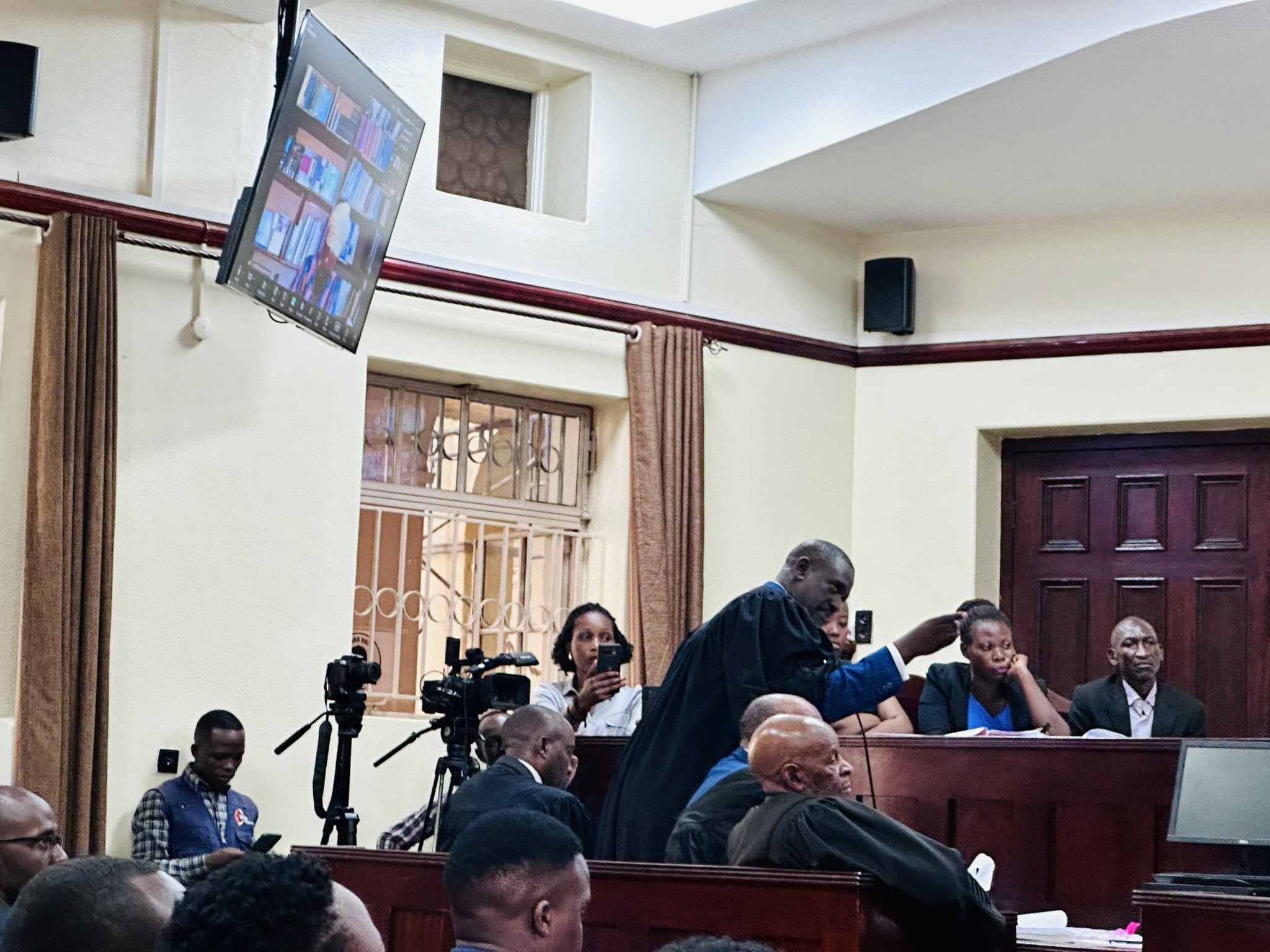
COURT — The defence lawyers have accused the prosecution of withholding critical information, potentially compromising the rights of the accused to a fair trial in the ongoing Katanga Murder Trial. The defence, led by lawyers Karuhanga and Kabega, questioned the legality of evidence collection and accused the prosecution of selectively using evidence to support their case.
At the core of the defence’s argument was the applicability of the Computer Misuse Act, with lawyer Muwaganya contending that the Act only applies to offences specifically listed under it—such as cyber fraud and harassment—not to crimes like murder, which is the charge in this trial. He argued that the prosecution misinterpreted the Act, which should not govern the search and seizure processes of the current investigation. “The Computer Misuse Act restricts its applicability to offences under that Act alone,” argued Muwaganya. “Parliament would have extended its scope if it intended to include Penal Code offences like murder.”
The defence further highlighted inconsistencies in the handling of electronic devices seized as evidence, arguing that law enforcement officers did not follow the necessary legal procedures for retrieving and analyzing data from these devices. Karuhanga emphasized the defence’s concern, accusing the prosecution of concealing evidence and selectively disclosing information to support their case.
“The prosecution claims to protect our clients' privacy while selectively using evidence that serves its case,” said Karuhanga. “This lack of transparency fundamentally undermines a fair trial.”
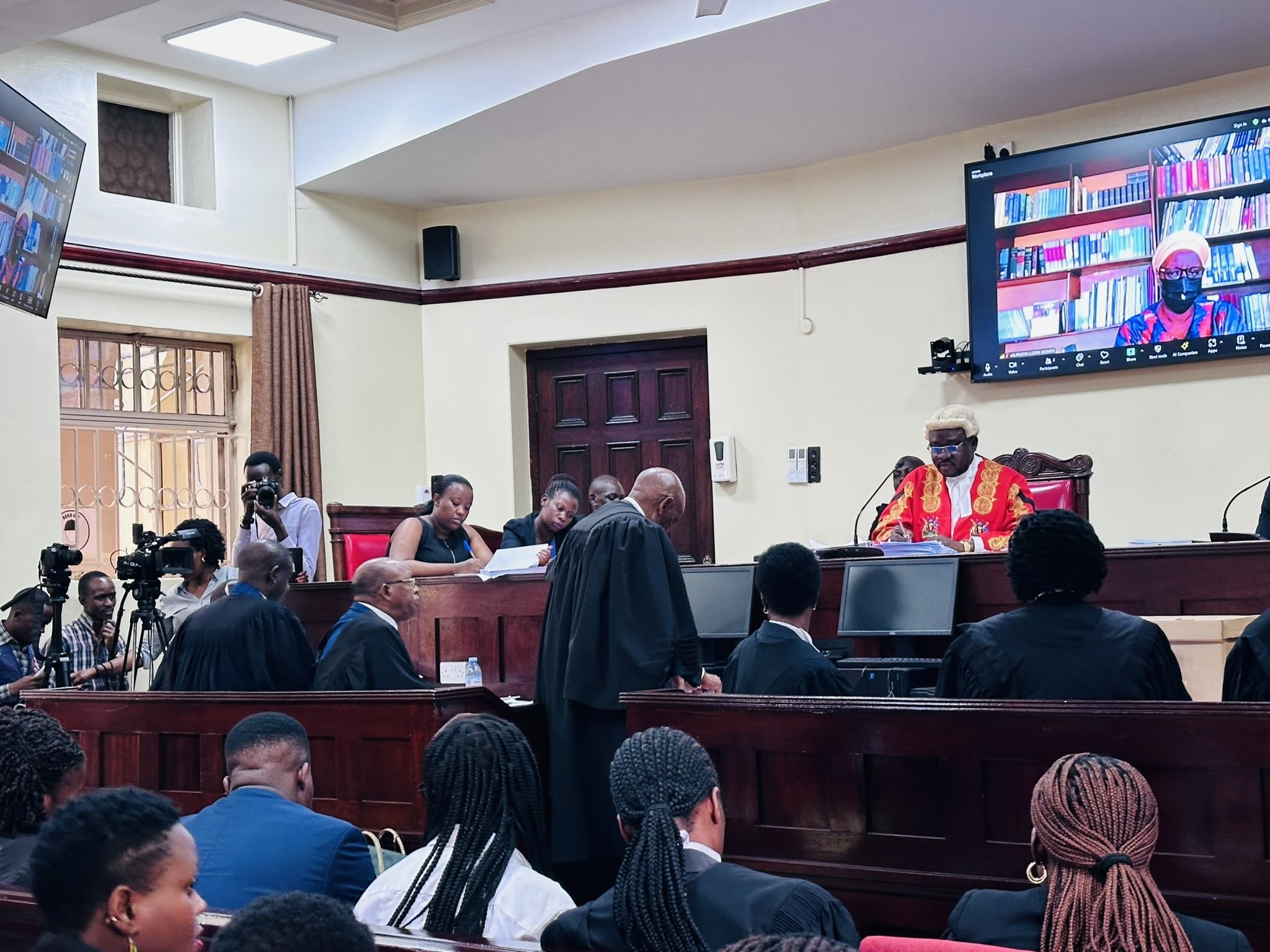
The defence also raised objections to a court order authorizing the search of the accused’s devices, arguing that it was issued by a magistrate without jurisdiction. Kabega asserted that the evidence should be inadmissible, as it was allegedly obtained through illegal means. “If you allow this evidence to go on record, it would condone an illegality and allow the prosecution to benefit from it,” said Kabega, citing the principle that no one should gain from unlawful actions.
In response, Muwaganya defended the legality of the search order and insisted that the prosecution had complied with disclosure requirements, maintaining that all relevant documents had been shared.
The judge scheduled a ruling on the defence’s objections for November 12, 2024. This decision will determine whether the contested evidence will remain part of the trial record, a ruling that could significantly impact the direction of the high-stakes trial.
Torch Media Africa
Published By | Dickens Tiharihondijo