BUENOS AIRES, Argentina
For decades, the conversation about antibiotic resistance has stayed mostly inside hospital walls—overprescribed antibiotics, under-washed hands, bacteria evolving in ICUs. A new study out of Argentina just dragged that conversation into the fields, the soil, and the wastewater—and the implications are setting off alarm bells among microbiologists.
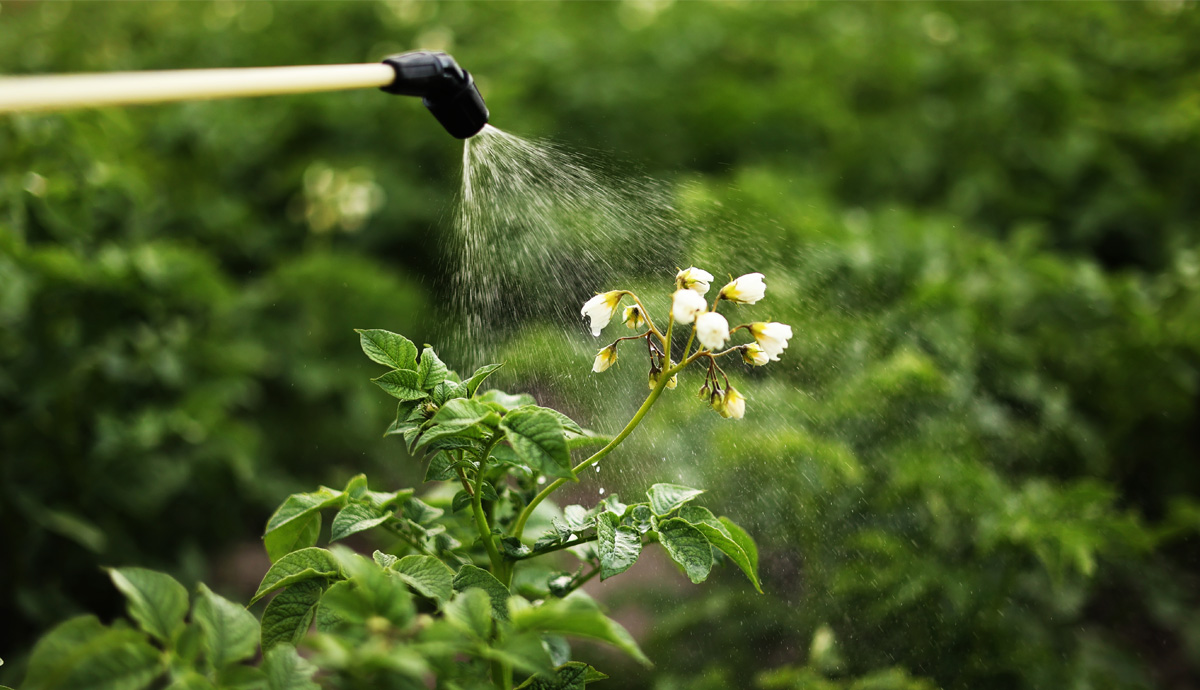
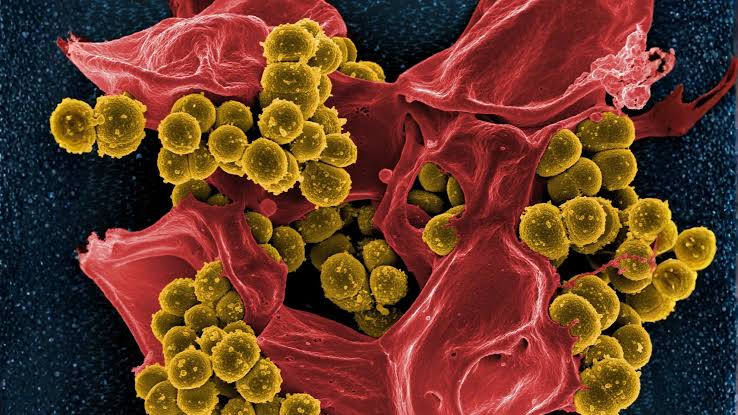
Published in Frontiers in Microbiology, the study found that multidrug-resistant bacteria pulled from hospital wards are also highly resistant to glyphosate—the active ingredient in Roundup and the most heavily used herbicide on the planet. Worse, when researchers traced the genetics, they found the same resistant bacterial lineages in hospital samples, agricultural feedlots, and even pristine nature reserves—suggesting these superbugs are not staying put.
The Study: 102 Bacterial Samples, Three Worlds Colliding
The research, led by Dr. Camila Knecht at the Institute of Medical Microbiology and Parasitology in Buenos Aires, set out to test a disturbing hypothesis: that everyday exposure to glyphosate—sprayed across hundreds of millions of acres of farmland worldwide—might be inadvertently training bacteria to resist not just the herbicide, but antibiotics as well.
The team gathered 102 bacterial strains from three wildly different environments. Sixty-eight came from sediment in a protected nature reserve—places that should, in theory, be among the least contaminated. Nineteen came directly from local hospitals. Fifteen came from agricultural sites and cattle feedlots where herbicide exposure is a daily fact of life.
Every strain was tested against 16 commonly used antibiotics—including last-resort drugs like carbapenems—as well as against pure glyphosate and commercial glyphosate-based formulations.
The results were stark. All 19 hospital-derived strains showed resistance to glyphosate. And of those same multidrug-resistant hospital strains, a staggering 74% were also resistant to carbapenems—the antibiotic class considered medicine's last line of defense.
But the most unsettling finding wasn't the hospital numbers alone. The bacteria carrying the highest glyphosate resistance in hospitals were closely related, genetically, to resistant strains found in agricultural sites—and in the supposedly pristine nature reserve. The same bacterial genera displayed glyphosate resistance across all three settings, as if the resistance traits were hitching rides between worlds that should otherwise have nothing to do with each other.
The Theory: A Chemical Highway for Superbugs
So how does a bacterium from an ICU end up genetically linked to one living in undisturbed reserve sediment hundreds of miles away? Knecht and her colleagues point to wastewater as the likely connective tissue.
Hospitals send wastewater carrying drug-resistant organisms into municipal treatment systems never designed to fully neutralize them. From there, that water—and the bacteria riding in it—can make its way into rivers, irrigation systems, and soil. Layer glyphosate exposure on top, and you get selection pressure: a chemical that kills off competing, non-resistant microbes while leaving the tough, multidrug-resistant survivors free to multiply and spread their resistance genes further.
"If these bacteria enter the environment through untreated wastewater from hospitals, they could go on to thrive in agricultural areas where glyphosate is used," Knecht explained—a feedback loop in which hospital superbugs and farm-field herbicide use end up reinforcing one another.
Why Microbiologists Are Taking This Seriously
Antibiotic resistance is already one of the most quietly devastating public health crises on the planet, blamed for hundreds of thousands of deaths a year worldwide and projected to get dramatically worse. What's made the crisis so hard to fight is its sprawling nature—resistance travels in water, soil, livestock, the food chain, and, as this study suggests, possibly hitchhiking on one of the most common agricultural chemicals on Earth.
What makes the glyphosate connection particularly alarming is its sheer ubiquity. Glyphosate is sprayed across vast stretches of cropland, lawns, parks, roadsides, and gardens worldwide. If multidrug resistance and glyphosate resistance really are being selected for together, an enormous, largely unregulated environmental reservoir may be reinforcing the exact bacterial traits doctors are racing to defeat.
Researchers note this study shows a strong association and a plausible genetic link, not ironclad proof that glyphosate creates new resistant bacteria from scratch. But for a field already worried about running out of road against resistant infections, "amplifier" is plenty bad enough.
The Bigger Picture: One Health, One Problem
This study lands squarely in the growing "One Health" movement—the idea that human, animal, and environmental health cannot be treated separately because the same pathogens, chemicals, and resistance genes move freely among all three.
The Argentina findings add hard genetic data to a hypothesis researchers elsewhere have floated for years: that the global agricultural chemical footprint and the antibiotic resistance crisis are not running on separate tracks. This newer, more rigorously sampled study substantially strengthens that case with side-by-side genetic comparisons across hospital, farm, and wild environments.
What This Means for You
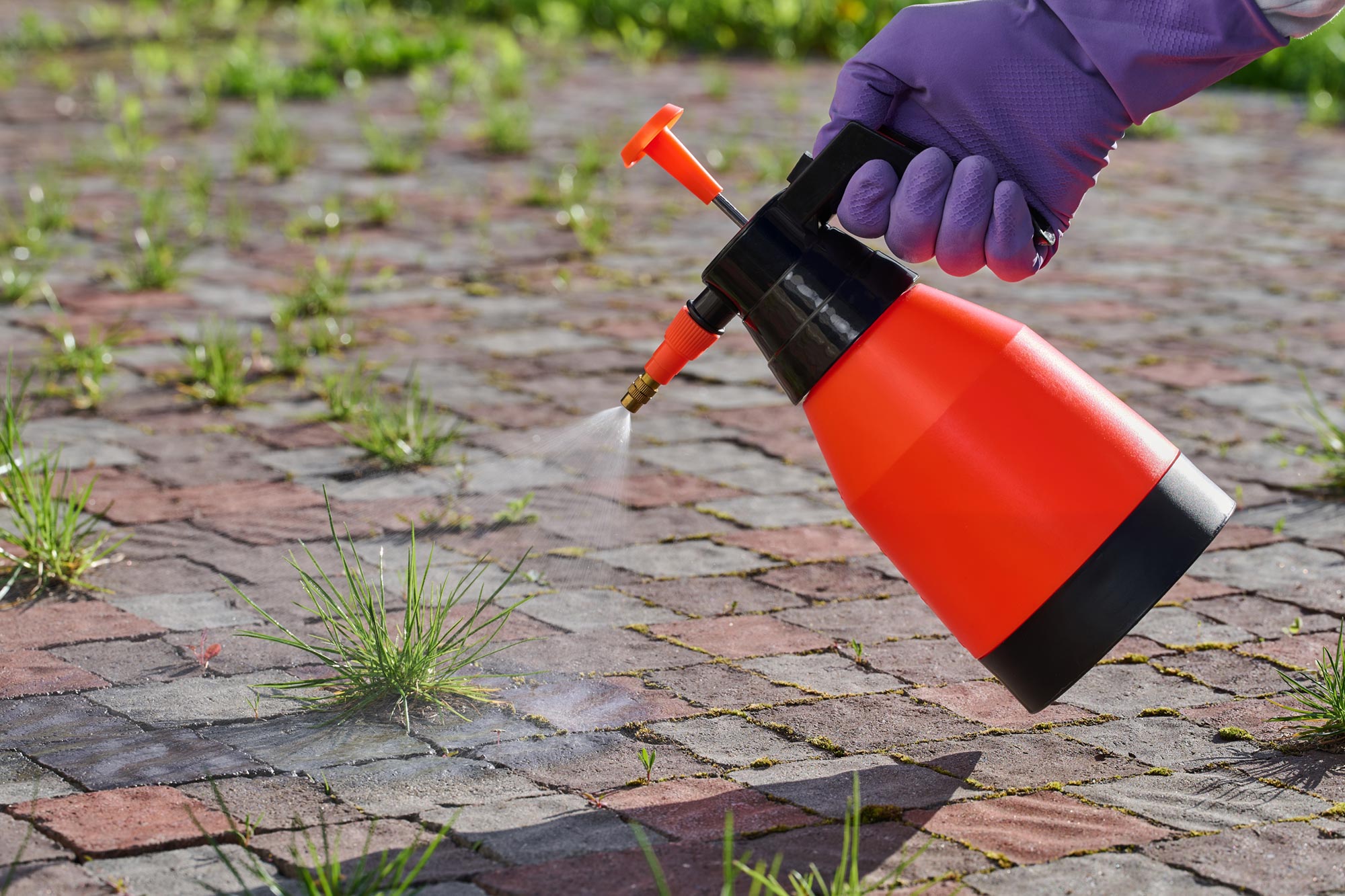
No, this doesn't mean the weedkiller in your garage is personally going to give you a drug-resistant infection. The bacteria implicated here are environmental and hospital-associated strains, not something casual home gardening is likely to trigger. But the study is a pointed reminder that antibiotic resistance is shaped by enormous, often invisible forces in agriculture, water treatment, and chemical use that individual consumers have little direct control over.
For policymakers, the findings argue for tighter scrutiny of hospital wastewater treatment and for factoring herbicide use into the broader strategy against antibiotic resistance. For everyday readers: support stronger wastewater standards, be judicious with antibiotics, and recognize that the fight against superbugs runs through farms, rivers, and sewage systems most people never think about.
The Bottom Line
A weedkiller sitting in sheds and spray tanks across the globe may be quietly helping train some of the world's most dangerous bacteria to survive almost anything thrown at them—antibiotics included. The Buenos Aires team's genetic detective work doesn't prove glyphosate single-handedly creates superbugs, but it does show, for the first time with this level of cross-environment evidence, that the bacteria able to survive Roundup and the bacteria able to survive last-resort antibiotics are disturbingly often the exact same bugs—and they're moving freely between hospitals, farms, and the wild. Expect this finding to fuel renewed calls for tighter regulation of both antibiotic use and herbicide exposure as two fronts of the very same war.
Published By | Features Editor