Written By | Joshua Nahamya
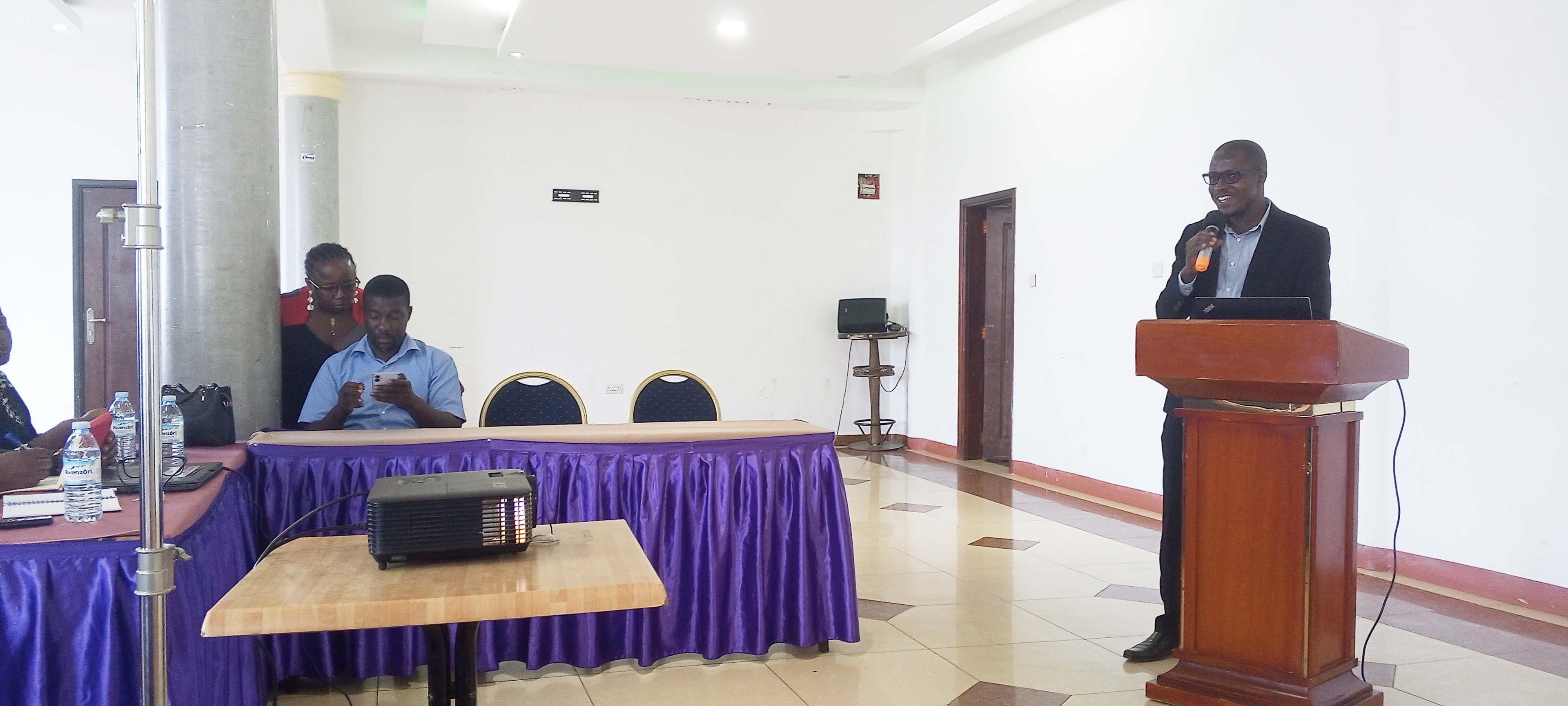
Prof Rodgers Kajabawangu addressing journalists
MBARARA CITY
Medical experts and post-abortion care practitioners in Mbarara have appealed to the government to legalise safe abortion, citing it as a critical step toward reducing the high rate of maternal mortality in Uganda.
The call was made on Wednesday during a media café organised by the Health Journalists Network in Uganda (HJNU). Held at Adit Motel under the theme “Abortion and Human Rights in Uganda: Balancing the Right to Life, Women’s Health, and the Law in Ankole Sub-region,” the event focused on how restrictive policies continue to push women toward dangerous clandestine procedures.
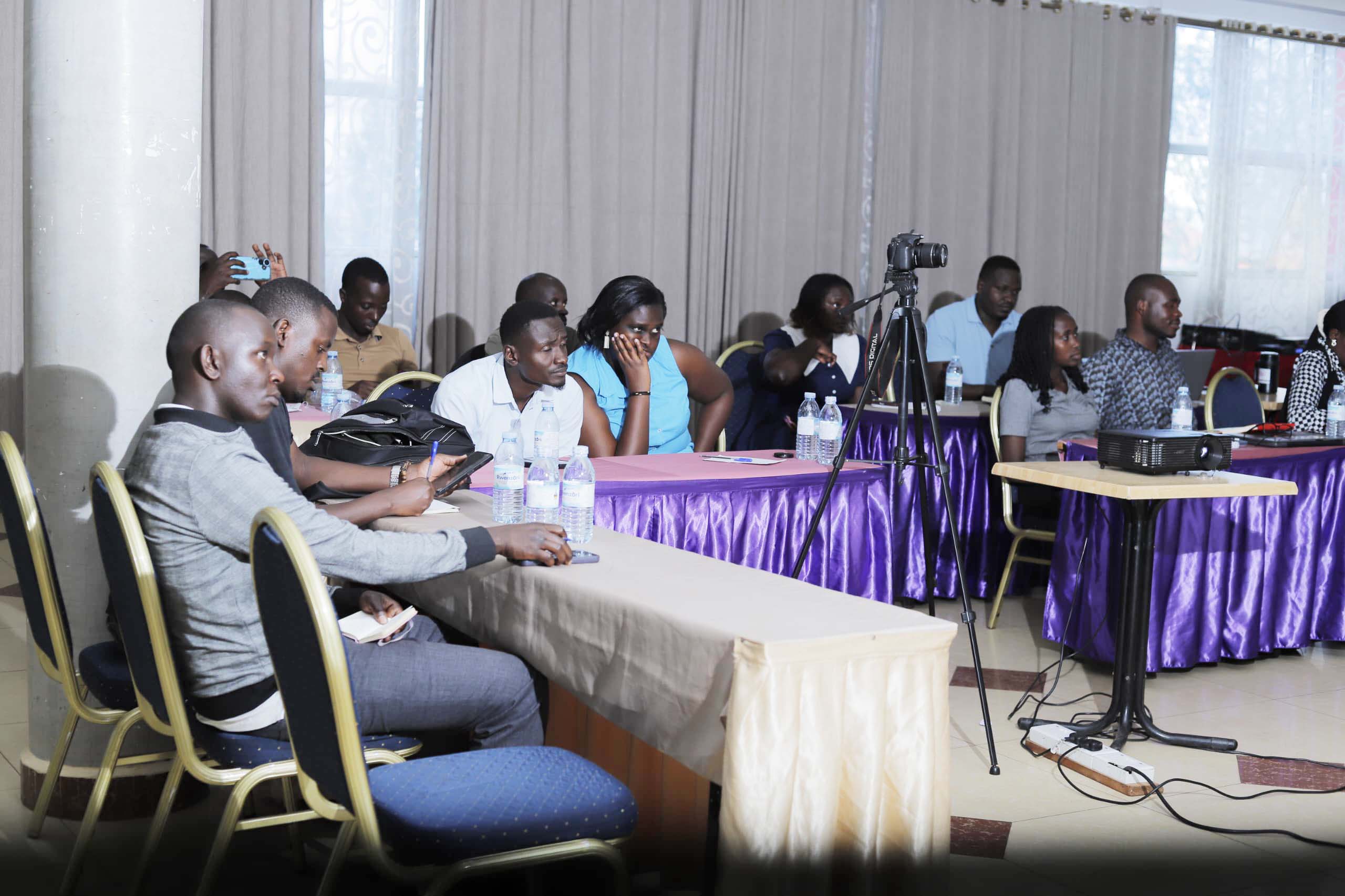
Journalists in Mbarara in a media cafe
Burden on Healthcare
Prof. Rogers Kajabawangu, an obstetrician and gynaecologist at Mbarara Regional Referral Hospital (MRRH), revealed that the Ankole Sub-region currently records the highest number of abortion-related cases in the country.
According to hospital data, three out of every 10 women admitted to the gynaecology ward are there due to complications related to miscarriages or post-abortion issues.
“Complications from abortions are listed as the fifth leading cause of maternal deaths in Uganda,” Prof. Kajabawangu said.
“Statistics show that maternal deaths are primarily caused by excessive bleeding, hypertension, obstructed labour, and infections. Complications from abortion—including severe bleeding, infections, and even the removal of the uterus—account for about 6% of maternal deaths nationally,” he added.
Although the hospital does not perform elective abortions, it treats complications arising from unsafe procedures. Prof. Kajabawangu clarified that under the 2006 National Health Policy, pregnancy terminations are only performed when the mother’s life is in danger or when the foetus has severe congenital abnormalities.
Legal Grey Areas
Much of the discussion centred on contradictions between the Penal Code Act of Uganda and existing health policies.
Under Section 142 of the Penal Code, a woman attempting to procure an abortion faces up to seven years in prison, while a health worker or pharmacist who facilitates it can be imprisoned for three years.
“The law has many grey areas,” Prof. Kajabawangu explained.
“For instance, the same drugs used for abortion are also essential for managing post-abortion complications or stopping bleeding after a normal delivery. It becomes difficult to convict a health worker for selling a drug that is vital for legitimate medical operations.”
He added that the 2006 National Guidelines for Sexual and Reproductive Health recommend termination in cases of rape, defilement, or life-threatening illnesses such as renal disease or cancer.
“It is a policy, but it is not yet law. Parliament has not passed legislation clearly outlining the circumstances under which abortion is permitted, leaving the restrictive Penal Code as the main governing law,” he said.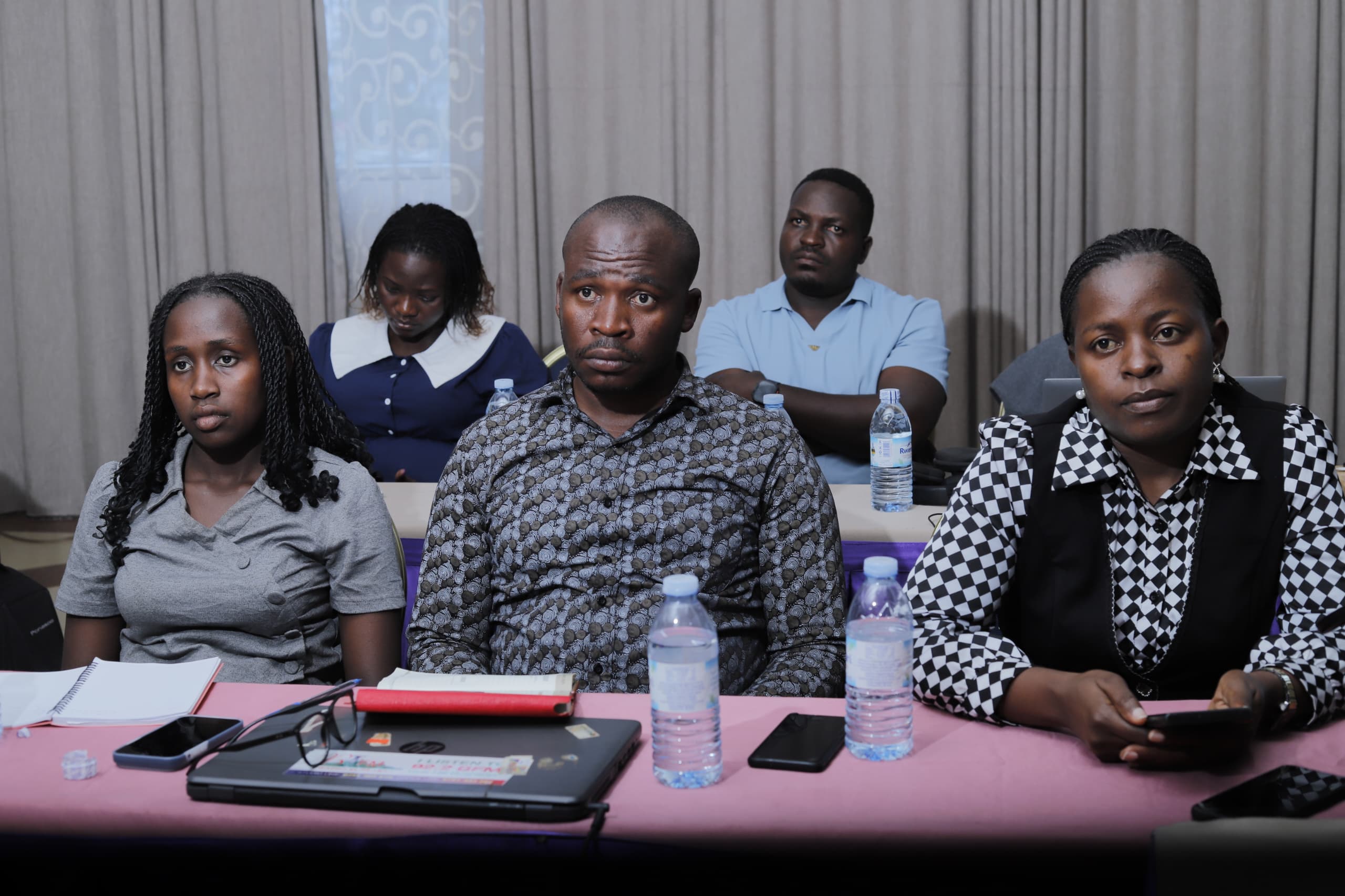
Some of the journalists in Mbarara in a media cafe
Survivor Perspectives
Grace Arinda Aboki, a feminist and community distributor for Marie Stopes Uganda, shared her personal experience to highlight why access to safe abortion should be considered a human rights issue.
Arinda, who survived a complicated pregnancy, said she once had to terminate a pregnancy after taking medication that risked severe fetal abnormalities.
“I am not married, and by going to a doctor to help me, I made the best decision of my life. I don’t think any woman or man here could stand having a baby without a head,” Arinda said.
“We believe in children by choice, not by chance. I am advocating for safe abortion even though the law criminalises it, because these things are happening and girls are risking their lives.”
Arinda, who has spent a decade linking women to post-abortion care, also challenged religious stigma surrounding the issue.
“The church does not allow prostitution, yet young girls are on the streets. There are extra-marital affairs and serious crimes, yet abortion is the one crime the church condemns most. Let it be legalised so we can save our mothers,” she said.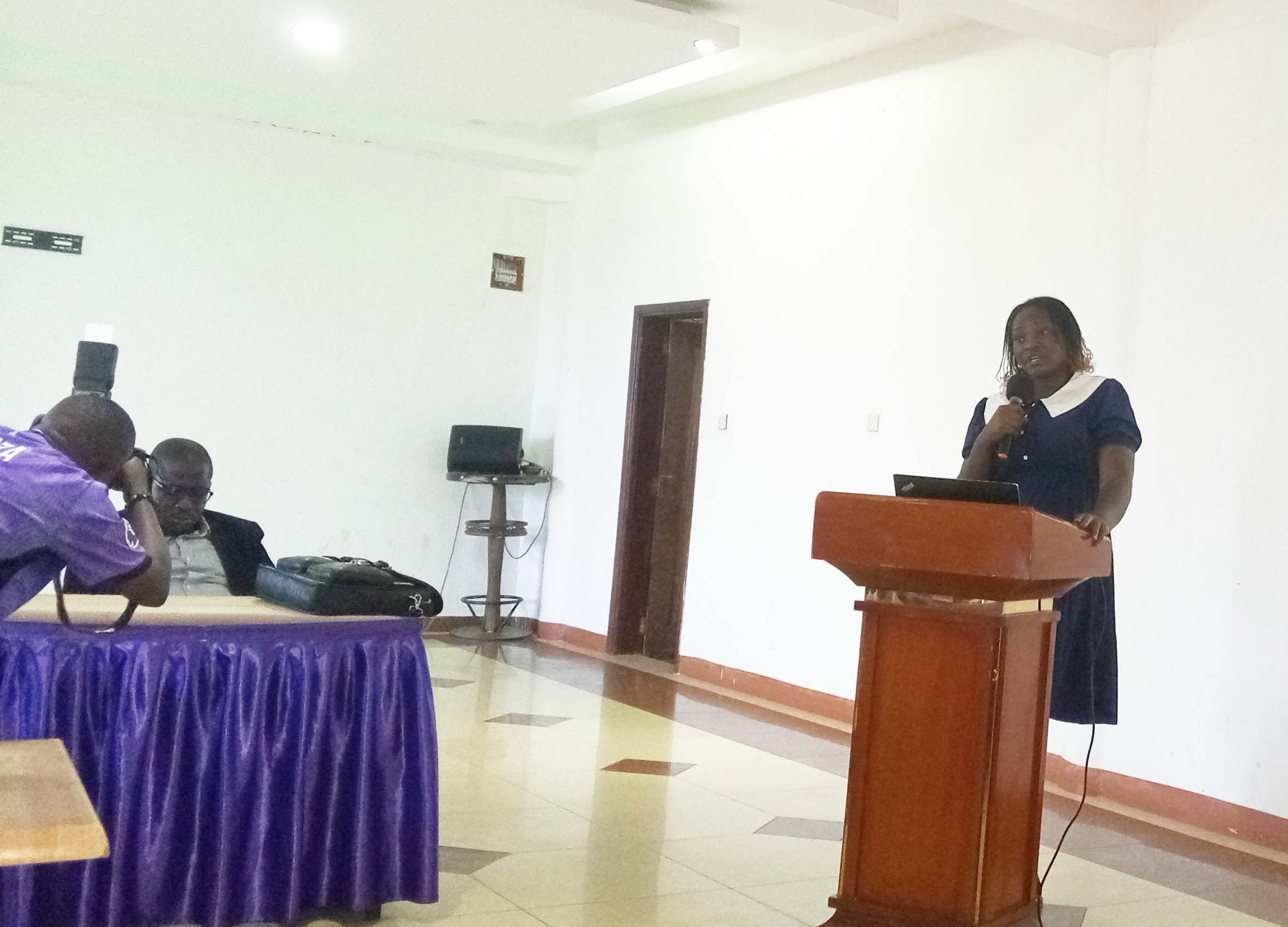
Grace Arinda Aboki, shares her experience on abortion
Scaling Up Post-Abortion Care
Pleasure Nuwenshaba, a midwife and maternal health advocate at MRRH, emphasised that while abortion remains illegal, post-abortion care (PAC) is a fundamental health service.
“Most of the cases we handle involve schoolgirls. The statistics we give represent only the lucky ones who reach the hospital; many others are dying in villages,” Nuwenshaba said.
She noted that the Ministry of Health Uganda is now training midwives at Health Centre III facilities to perform Manual Vacuum Aspiration (MVA) to remove retained products of conception and stop life-threatening bleeding.
“No woman wants to undergo an abortion,” she said. “But when it happens—whether induced or spontaneous—they face emotional trauma and stigma. Our care must be non-judgmental.”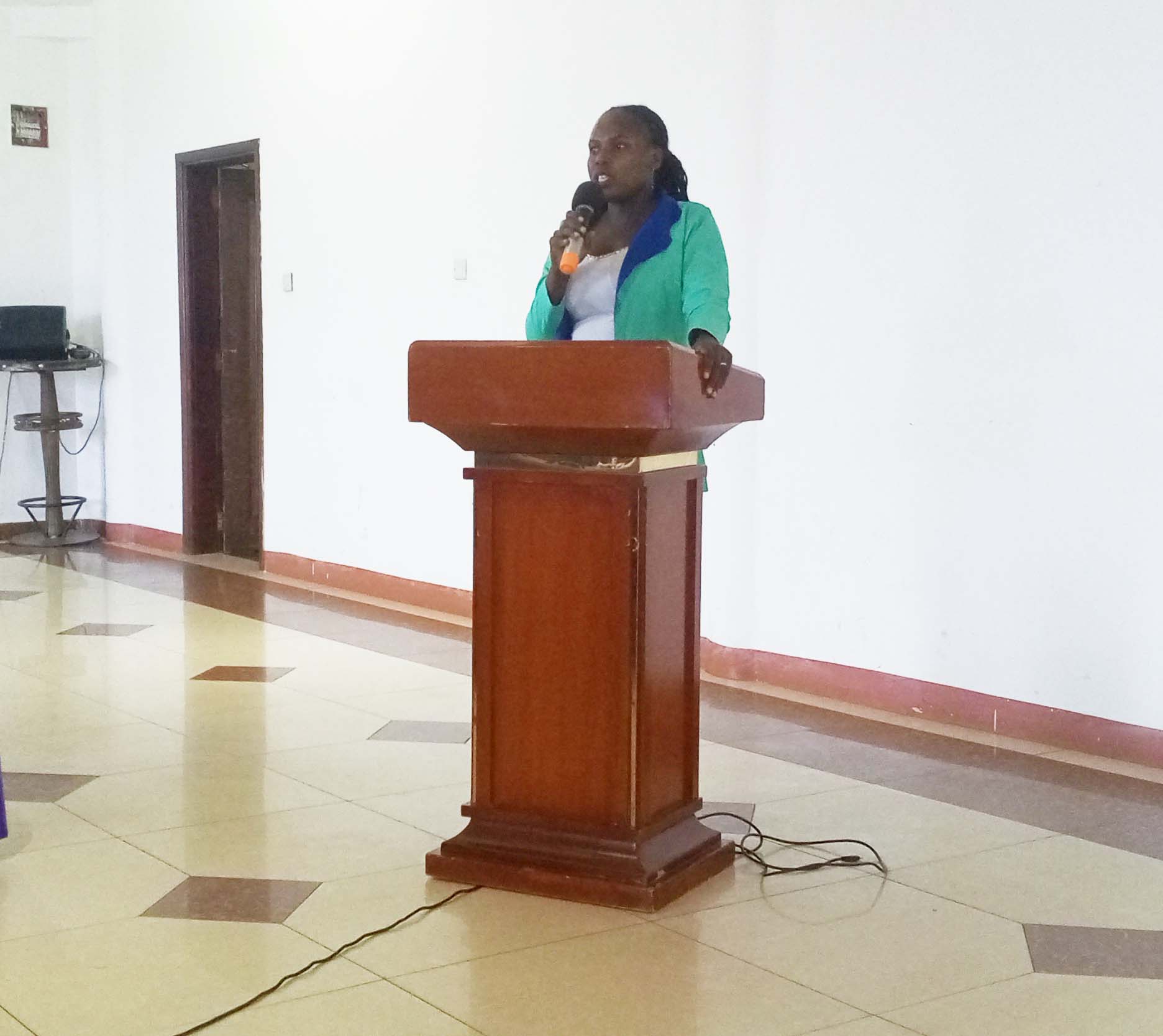
Pleasure Nuwenshaba, mid-wife at MRRH
She added that post-abortion care is now being integrated into broader reproductive health services to ensure every woman receives timely medical support.
As advocates continue pushing for legislative reforms, stakeholders say the immediate focus should remain on public sensitisation, increasing family planning uptake, and strengthening referral systems, so that no woman dies silently from complications related to unsafe abortion.
Torch Media Africa



