Written By |
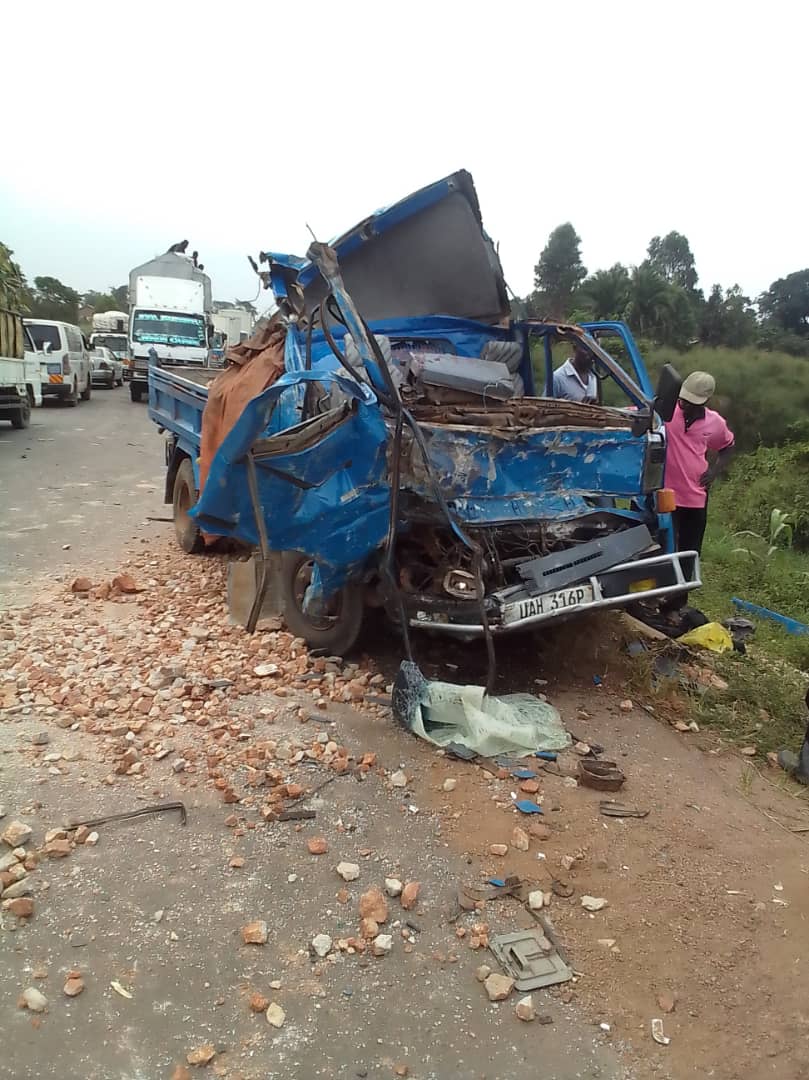
The highest fatality rates are observed in low and lower-middle-income countries
About 70% of road traffic fatalities involve men, according to a new World Health Organisation (WHO) report. The latest WHO status report on road safety for the African region, launched on July 16 in Brazzaville and Nairobi, revealed that most victims of road carnage in Africa are men in their productive years of life, with about 60% aged between 15 and 64. Motorcyclists, cyclists, and pedestrians are the worst affected, with motorcyclist deaths doubling in the last decade.
Binta Soka, a technical officer at the WHO Africa regional office in Kenya, attributed the high fatalities to a lack of policies to protect pedestrians, poor road design, and insufficient regulations. Between 2010 and 2021, Africa recorded a 17% increase in road fatalities, accounting for nearly one-fifth of all road deaths globally, despite having only 15% of the world’s population and 3% of its vehicles. In 2021 alone, almost 250,000 lives were lost. The highest fatality rates are observed in low and lower-middle-income countries, which account for 91% of all estimated road traffic deaths in Africa.
Road Fatality Drivers
No African country meets best practice standards for the five key road safety behavioral risk factors: speeding, drink driving, non-use of motorcycle helmets, seatbelts, and child restraints.
Countries That Have Reduced Fatalities
Seventeen African countries have reduced road fatalities by up to 49%. Congo Brazzaville, Mauritania, and Seychelles led with a 49% reduction. Cameroon and Burundi saw reductions of 30-40%, while Lesotho, Mauritius, and Rwanda reported reductions of 20-29%. Other countries, including DR Congo, Eritrea, Gabon, Liberia, South Africa, and South Sudan, saw decreases of 10-19%. Cape Verde reduced deaths by less than 10%.
Chiara Retis, the team leader on violence and injury prevention at WHO Africa, credited these reductions to strong leadership and the availability of data to assess progress.
Uganda’s Situation
Road carnage in Uganda is increasing, according to the 2023 annual traffic report. The total number of road crashes was 23,608. The death toll increased by 30% to 4,179 in 2023 from 3,210 in 2022. Serious crashes rose to 12,487 from 8,860, while minor cases numbered 694. December had the highest number of crashes (2,131), while January had the lowest (1,789). July had the highest fatalities (457), and November the lowest (324).
Impact of Road Crashes
Road traffic crashes cost countries around 3% of gross domestic product in low and middle-income countries. In Uganda, the government requires about sh300b to address the trauma resulting from road accidents. The loss of lives, livelihoods, and the financial cost take a significant toll on families, communities, and health systems.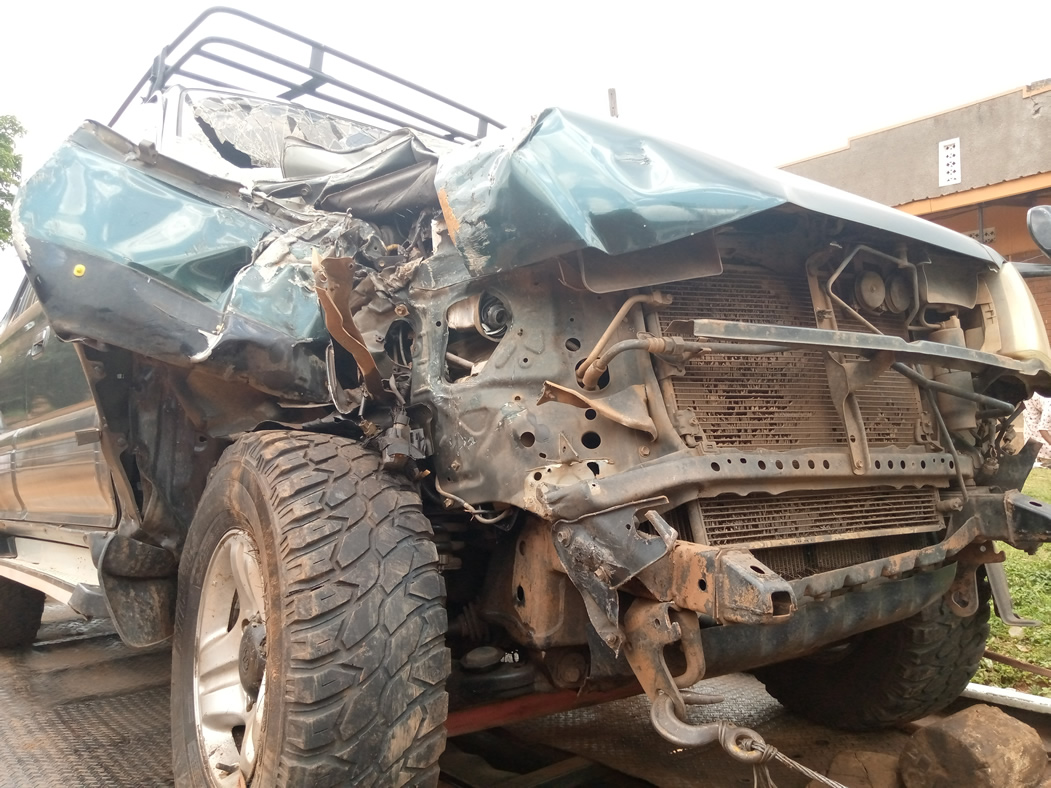
Most accidents occur on weekends, with more crashes reported on Saturdays and fatal crashes on Sundays
Road Safety Experts Speak Out
Traffic Police spokesperson Michael Kananura stated that motorcycle riders and pedestrians are the most affected, contributing to 85% of road traffic crashes. Poor road infrastructure and pedestrian behavior, such as walking with headphones, contribute to the high fatalities.
Fred Tumwine, executive director of the Uganda Road Accident Reduction Network Organisation (URRENO), emphasized the need for a Road Safety Action Plan 2021-2026, focused on safe roads, vehicles, road users, and data management. He noted that while road safety laws are sufficient, they are not implemented effectively.
Sam Bambaza, executive director of Hope for Victims of Traffic Accidents (HOVITA), attributed road fatalities to speeding and drink-driving. He said most accidents occur on weekends, with more crashes reported on Saturdays and fatal crashes on Sundays. Poor enforcement of traffic laws, overloading, and narrow roads also contribute to the problem. He advocated for the use of cameras and speed guns to monitor speed limits and called for the implementation of a black spot improvement program, especially on the Kampala-Masaka-Jinja highway.
Efforts to Curb Road Carnage
Behavioral change measures targeting road users, including pedestrians, drivers, and riders, are being enforced. The Uganda National Roads Authority is redoing faded road markings to guide traffic and ensure discipline.



