Written By |
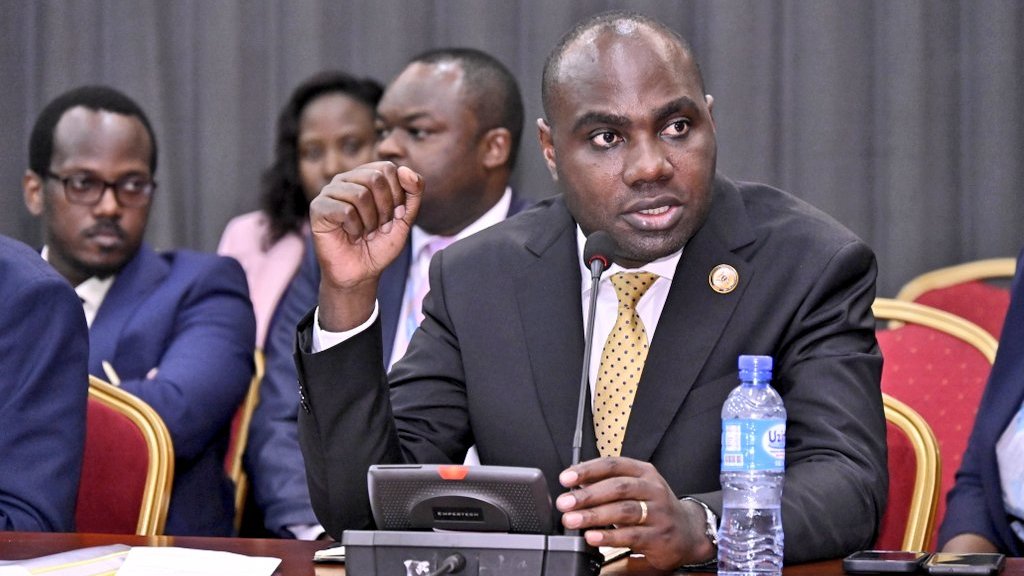
Henry Musasizi, Minister of State for Finance, is not only aimed at increasing government revenue but also to address health issues
By Our Reporter
PARLIAMENT – The Ministry of Finance has proposed tax increases on cigarettes and beer made from local raw materials in an effort to generate Shs19.4 billion in additional revenue. The move, according to Henry Musasizi, Minister of State for Finance, is not only aimed at increasing government revenue but also addressing public health concerns associated with tobacco consumption.
While appearing before Parliament’s Finance Committee, Musasizi defended the proposal, stating that the excise duty on beer made from local raw materials will rise from Shs650 to Shs900 per liter to reflect inflationary pressures and economic realities.
“The excise duty on cigarettes in Uganda has not been adjusted since the 2017/18 Financial Year, despite inflation rising by 28.8% over this period. We have also faced pressure from the health sector to raise the tax on tobacco products to reduce smoking-related health risks,” said Musasizi.
He argued that the increase aligns with both economic and public health objectives, discouraging tobacco consumption while generating revenue.
New import declaration fee to fund standard gauge railway
In addition to the tax increases, the Government has introduced an import declaration fee on goods imported for home use, projected to generate Shs79 billion. The funds will be channeled towards the construction of the Standard Gauge Railway (SGR), a crucial infrastructure project meant to enhance Uganda’s trade competitiveness.
“This measure will help fund infrastructure investment while promoting import substitution to support local industries. Many East African Community (EAC) partner states, including Kenya (2% CIF charge) and Tanzania (0.6% customs processing fee), have already imposed similar fees,” Musasizi explained.
Penalties for EFRIS non-compliance to be revised
The Finance Ministry also proposed changes to penalties for noncompliance with the Electronic Fiscal Receipting and Invoicing System (EFRIS). Instead of the Shs6 million penalty per invoice, businesses will now be required to pay twice the amount of unpaid tax.
“Concerns have been raised that the fixed penalty of Shs6 million per invoice disproportionately burdens taxpayers. To address this, we propose to amend the penalty structure so that non-compliant taxpayers will instead pay twice the tax owed,” noted Musasizi.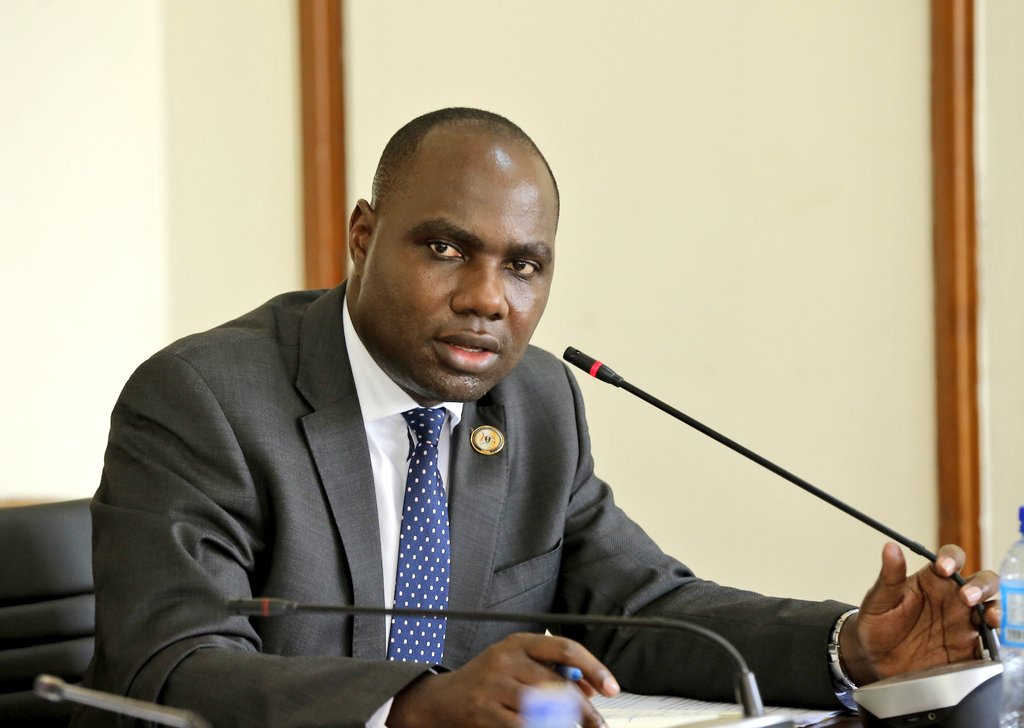
Government targets shs2.4 trillion from new tax measures
The 2025/26 tax measures, contained in the Seven Tax Bills and Uganda Revenue Authority (URA) administrative measures, are expected to generate over Shs2.4 trillion in additional revenue to fund the national budget.
“We project to generate Shs538.6 billion from tax policy proposals in the bills, and Shs1.885 trillion from URA administrative measures, bringing the total to Shs2.420 trillion,” Musasizi told the committee.
The Government is also stepping up tax revenue mobilization, including hiring 1,260 new URA staff to improve compliance and reach more taxpayers, especially high-net-worth individuals in sectors like construction, transport, and professional services.
“We are intensifying efforts to eradicate corruption in tax collection and ensure that our system is predictable, fair, and certain. This includes using third-party data from water and electricity bills to identify potential taxpayers,” Musasizi added.
Key tax bills presented to Parliament
Among the proposed bills presented to Parliament’s Finance Committee include:
These measures, if passed, will have far-reaching effects on businesses, consumers, and Uganda’s overall economic outlook.
Torch Media Africa