Written By |
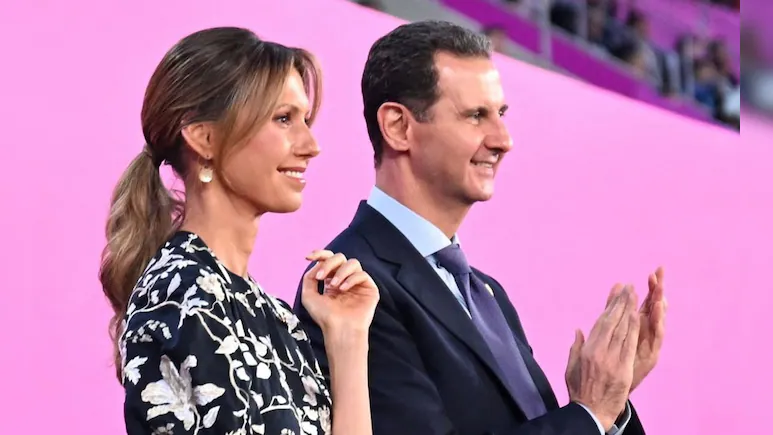
The report suggests that Asma is dissatisfied with her life in Moscow, where the Assad family has been residing in exile
Moscow — Asma al-Assad, wife of former Syrian President Bashar al-Assad, has reportedly filed for divorce and expressed a desire to return to the United Kingdom, according to a report by The Jerusalem Post citing Turkish and Arab media sources. The report suggests that Asma is dissatisfied with her life in Moscow, where the Assad family has been residing in exile. She is said to have applied to a Russian court for special permission to leave the country, with her request currently under review by Russian authorities.
A British connection
Born in London in 1975 to Syrian parents, Asma al-Assad holds dual British-Syrian citizenship. She graduated from King’s College London with degrees in computer science and French literature and later worked in investment banking. In December 2000, she married Bashar al-Assad, with whom she has three children: Hafez, Zein, and Karim. Since the Syrian uprising began, reports indicate that Asma has been seeking to relocate to London with her children.
Life in exile
Bashar al-Assad, who was granted asylum in Moscow, is reportedly living under strict restrictions imposed by Russian authorities. He is forbidden from leaving Moscow or engaging in any political activities. Additionally, Russian authorities have frozen his assets, which include 270 kilograms of gold, $2 billion in cash, and 18 properties in Moscow.
Family dynamics and power struggles
Bashar’s sister, Bushra al-Assad, a prominent figure in the family, reportedly clashed with Asma over her public prominence. Bushra, who served as Bashar’s secretary and was married to the late General Asef Shawkat, preferred to associate the "First Lady" title with their mother, Anisa Makhlouf.
The Assads have long been at the center of a complex web of political and familial alliances. Rami Makhlouf, Bashar’s first cousin, once controlled a significant portion of Syria’s economy, with extensive interests in telecommunications, retail, and energy, making him the wealthiest man in Syria.
As developments unfold, the Assads’ exile in Moscow continues to draw scrutiny, shedding light on their internal dynamics and strained relations with their host country.
Agencies



