Written By |
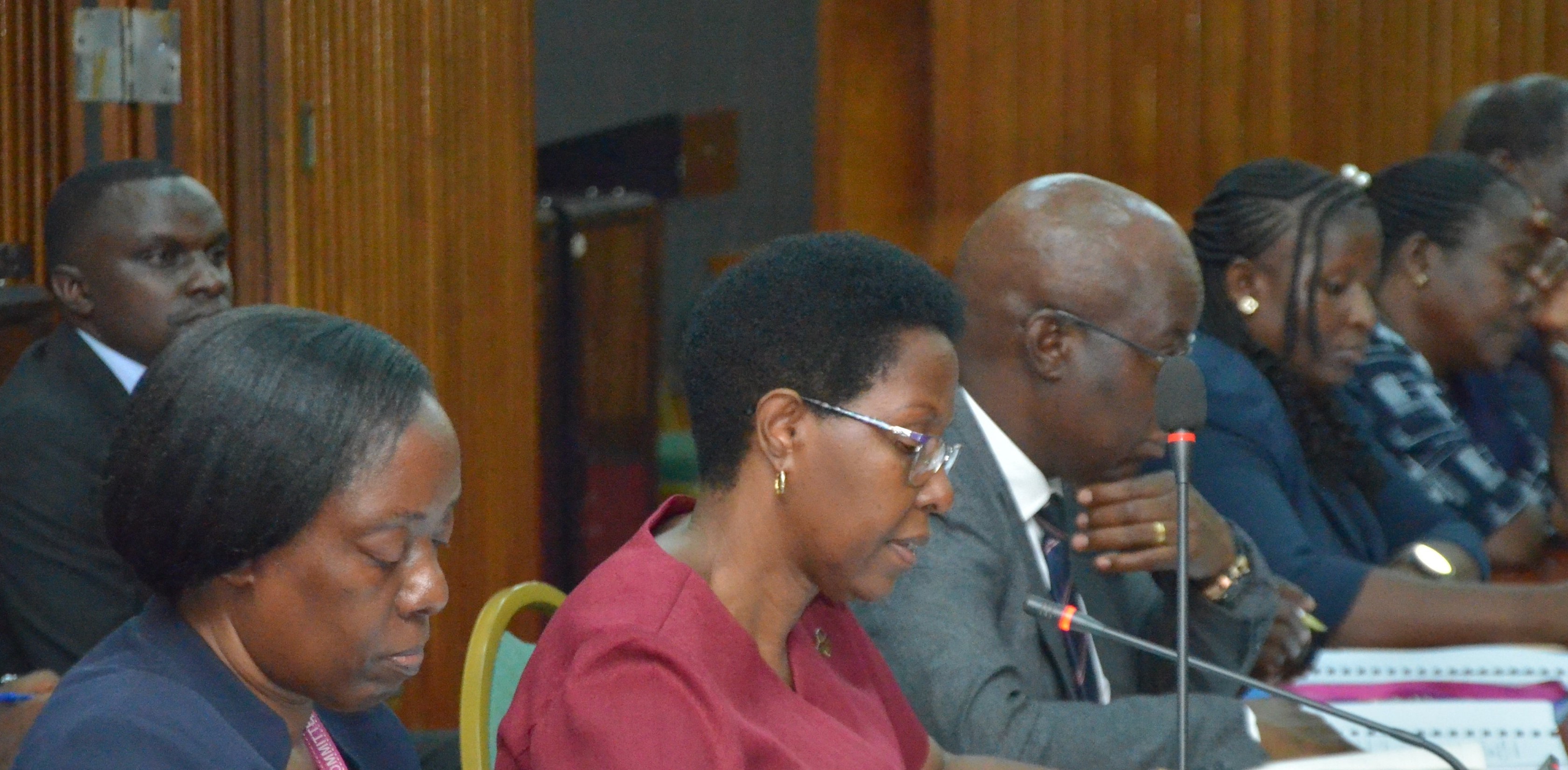
Meeting between Parliament’s Health Committee and Mulago Hospital officials
By Our Reporter
PARLIAMENT – Parliament has raised concerns over the stark disparity in budget allocations after it emerged that Mulago National Referral Hospital has been allocated only Shs17.756 billion for specialized medical supplies for the entire 2025/26 financial year, whereas the Uganda Revenue Authority (URA) has been allocated Shs18.2 billion for the purchase of medicines for its staff.
The issue came to light during a meeting between Parliament’s Health Committee and Mulago Hospital officials, led by Executive Director Dr. Rosemary Byanyima, who warned that unless at least Shs101 billion is provided for specialized medical supplies, patients will continue being forced to purchase their own medicines outside the hospital.
Funding shortfall threatens healthcare delivery
Dr. Byanyima explained that while the hospital is introducing more specialized services at a lower cost, inadequate funding forces patients to buy essential medical supplies.
“Our budget for the next financial year is Shs17.756 billion, but the optimal requirement would be Shs101 billion,” she said.
Similarly, during a separate meeting between URA officials and Parliament’s Finance Committee, lawmakers questioned the Shs18.2 billion allocation for medicines at URA, seeking clarification on whether the tax body operates clinics or if the funds cover staff medical insurance.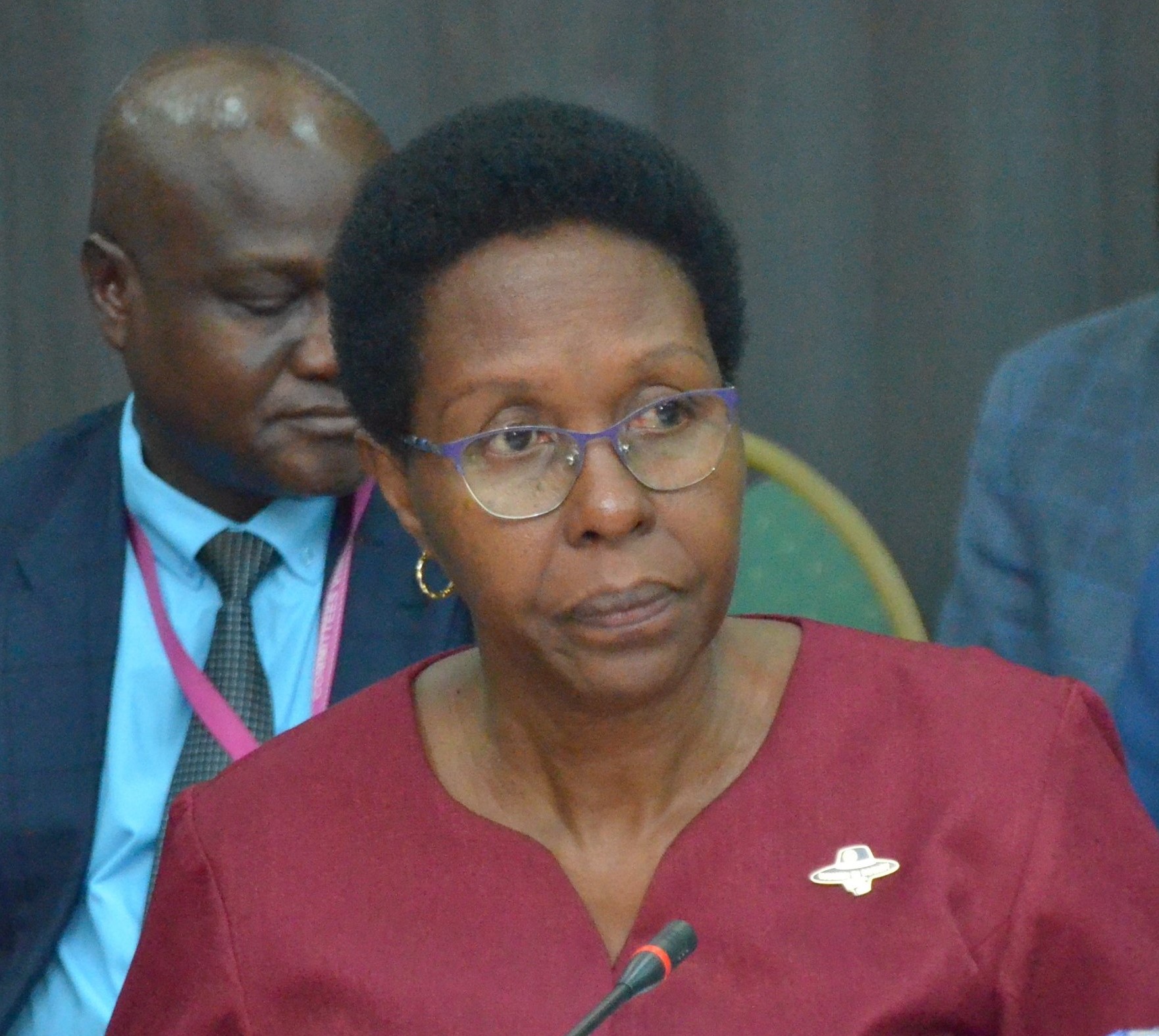
Dr Rosemary Byanyima
Staff shortages and equipment challenges
Mulago Hospital is also seeking an additional Shs43.5 billion to recruit more medical workers, as its current staff is overstretched. Dr. Byanyima emphasized that the wage limitations prevent them from hiring essential personnel.
“To fully operationalize the ICU, we need more staff, but our budget deficit for full recruitment stands at Shs43.598 billion,” she added.
The hospital is also in urgent need of Shs16.72 billion to replace aging medical equipment procured 10 years ago, which has become obsolete and costly to maintain.
“The equipment we acquired during the last refurbishment is now deteriorating. Maintenance costs are rising, and newer technology is required. We need about Shs16.72 billion to address this,” Dr. Byanyima explained.
Additionally, Shs13 billion is required for the servicing and maintenance of medical equipment, a significant increase from the current Shs4.3 billion budget. Dr. Byanyima warned that failure to allocate these funds could result in expensive breakdowns, citing the recent MRI repair that cost Shs3.5 billion.
Specialized women and neonatal hospital faces staffing crisis
Meanwhile, Mulago Specialized Women and Neonatal Hospital is requesting Shs4 billion to recruit 86 new specialists to operationalize its seven idle theatres. Executive Director Dr. Evelyn Nabunya revealed that the shortage of specialists in anesthesia and intensive care has left only four to five out of 11 theatres operational.
“The nurse-to-patient ratio in the Neonatal Intensive Care Unit (NICU) should be 1:2, but currently, one nurse attends to 10-15 babies. This affects service delivery and patient outcomes,” Dr. Nabunya noted.
The hospital is also seeking Shs2.9 billion for the maintenance of machinery and equipment to boost access to fertility services like In-Vitro Fertilization (IVF). Dr. Nabunya revealed that one IVF cycle costs Shs13.35 million, and the hospital aims to assist 100 women in 2025/26, requiring an additional Shs2.914 billion.
“We have begun offering IVF services and currently have five pregnancies, including a twin pregnancy. As we progress, we will assess whether to expand services to the public,” she added.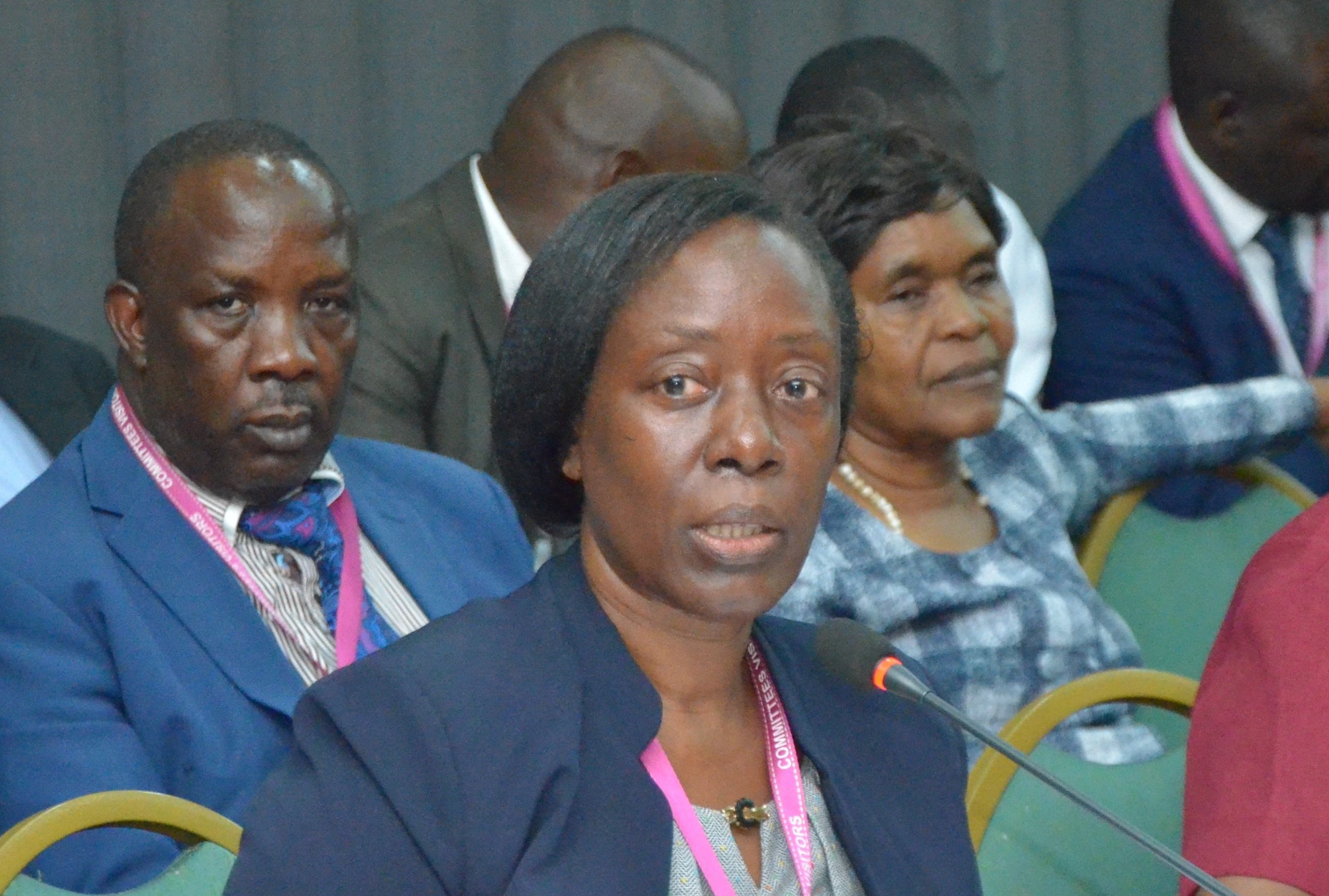
Dr Nabunya
Impact of U.S. Aid cuts on HIV/AIDS treatment
Following the withdrawal of U.S. government aid, Mulago Hospital is now grappling with an influx of HIV/AIDS patients previously treated under donor-funded programs. Dr. Byanyima warned that integrating these patients into Mulago’s already strained system could result in staffing and logistical crises.
“Each organization that previously provided HIV/AIDS treatment handled 50-100 patients daily. With funding cuts, all these patients now rely on us. We need staffing, space, laboratory services, and proper records management to ensure treatment adherence,” she explained.
She also noted that Mulago's current staffing level is only at 67%, yet it is operating as two separate hospitals—Mulago National Referral Hospital and Mulago National Specialized Hospital, which should ideally have different staffing structures.
“The 67% staffing might seem fair compared to other hospitals, but in reality, we are running two hospitals under one structure. This puts immense pressure on our resources,” she stated.
Parliament demands justification for budget allocations
MPs expressed shock at the discrepancy in funding, questioning how URA’s medicine budget surpasses that of Uganda’s largest referral hospital. Parliament is now calling for urgent revisions to the health sector budget, urging the government to prioritize public healthcare funding to prevent essential services from collapsing due to underfunding.
Torch Media Africa