Written By | Peter Luzinda
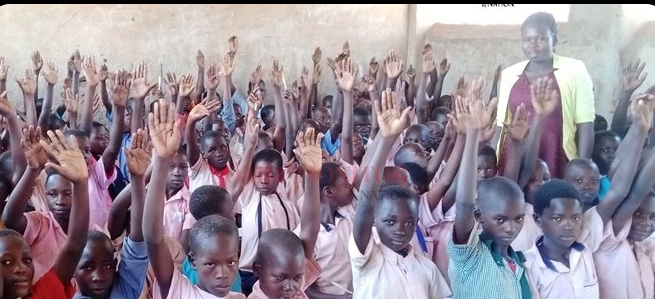
Some educators say the lack of food has created a silent emergency in classrooms, affecting not only attendance but also learners' concentration, participation, and overall academic performance.
LIRA CITY
A deepening hunger crisis in schools across Lira and the wider Lango sub-region is forcing hundreds of pupils out of classrooms, with teachers warning that the lack of meals is increasingly disrupting learning and attendance.
Education officials say many learners in government primary schools struggle to remain in class throughout the day because they attend school without breakfast or lunch. As a result, absenteeism has reportedly risen sharply, particularly during afternoon lessons.
Teachers in several Universal Primary Education (UPE) schools say hungry pupils often lose concentration, become weak during lessons, or leave school before classes end in search of food.
The situation is placing growing pressure on schools already grappling with poor academic performance and high dropout rates among vulnerable children.
School administrators attribute the crisis to worsening poverty among households in northern Uganda, where many parents are unable to provide meals despite repeated appeals by schools for parents to support school feeding arrangements.
Some educators say the lack of food has created a silent emergency in classrooms, affecting not only attendance but also learners' concentration, participation, and overall academic performance.
Community leaders in Lira warn that unless urgent intervention is provided, more children could gradually abandon school altogether, particularly in rural and low-income communities.
Several local leaders are now urging the government and humanitarian organisations to support school feeding programmes to help keep children in school and improve learning conditions.
Education stakeholders argue that schools with organised feeding programmes consistently record higher attendance, better learner retention, and improved academic performance than schools where children spend the entire day without food.
The crisis has reignited the national debate over the need for a comprehensive school feeding policy in Uganda, particularly in regions facing persistent poverty and food insecurity.
Northern Uganda continues to recover from years of conflict and economic hardship that weakened livelihoods across many communities. Education experts say these long-standing challenges are now directly affecting children's access to quality education.
Officials warn that without immediate intervention, hunger will continue to undermine efforts to improve literacy, reduce school dropout rates, and strengthen education outcomes across the region.



