Background
Yemen's civil war, which erupted in 2014 when the Iran-aligned Houthi movement — formally known as Ansar Allah — seized the capital, Sanaa, and much of the country's north, has been effectively frozen since April 2022, when a UN-brokered truce between the Houthis and the Saudi-led coalition backing Yemen's internationally recognized government took hold. Although the formal truce technically expired later that year, its core terms — a halt to major offensive operations, a partial reopening of Sanaa's airport, and a fuel-import arrangement for the Houthi-controlled port of Hodeidah — held informally for more than three years, producing what regional analysts have called a 'no war, no peace' deadlock. Yemen remains one of the world's worst humanitarian crises: the United Nations estimates that more than 21 million people, roughly two-thirds of the population, still need some form of assistance after more than a decade of conflict, blockade and near-famine conditions.
That fragile calm has been unraveling for months, as the wider regional war between the United States, Israel and Iran — which began in earnest in February 2026 — has increasingly drawn in Iran's remaining network of aligned armed groups. The Houthis have periodically inserted themselves into that broader conflict, firing missiles toward Israel and attacking commercial shipping in the Red Sea and Gulf of Aden in what they describe as solidarity with Palestinians, drawing retaliatory strikes from Israel and the United States on Houthi-controlled territory, including strikes on Sanaa's airport in July. In recent weeks, that involvement has increasingly bled into the group's long-dormant standoff with Saudi Arabia and Yemen's internationally recognized government, which has been reinforcing military positions in the country's oil-producing east — a buildup the Houthis have cited as provocation for the attacks that followed.
Key Developments
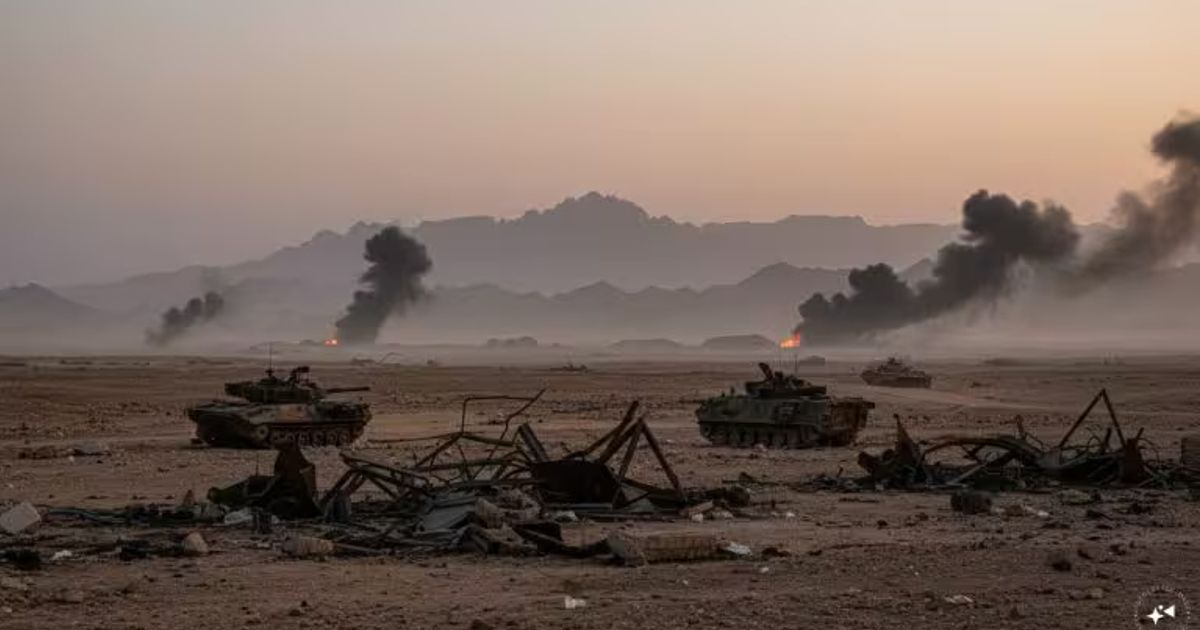
The clearest sign yet that the 2022 truce is collapsing came on Thursday, August 6, in what multiple outlets described as the Houthis' deadliest and largest assault on government-aligned forces since the truce took hold. Houthi military spokesman Brigadier General Yahya Saree said fighters fired ballistic missiles and drones from al-Jawf governorate at military camps in al-Thiniya and al-Abr in Hadramout province and al-Rouk in Marib province, targeting what he described as a buildup of Saudi-backed forces in Yemen's east. Casualty figures vary by source: Yemeni government officials told the Washington Post and NBC News that at least 30 soldiers were killed and roughly 50 wounded, while the Houthis themselves claimed to have killed 45; The National, citing government sources, put the death toll as high as 45 as well. Al Jazeera separately reported that at least two civilians were killed in a related Houthi strike on Marib the following day. Regional military-analysis outlets described it as the deadliest single episode of the Yemeni civil war in years.
The attacks did not stop there. On Friday, August 7, the Saudi-led coalition said Houthi forces struck the southern Saudi border region of Najran, with coalition spokesman Maj. Gen. Turki al-Maliki saying at least 11 civilians were injured. The Houthis also claimed a drone strike on Najran's airport, part of what Saudi officials describe as a broadening campaign against Saudi military, infrastructure and shipping targets — a marked escalation beyond the group's earlier, more limited cross-border harassment. A source close to the Saudi military told the Times of Israel that the coalition 'does not seek escalation' but 'will not allow the current balance of power on the ground to be changed,' a carefully worded statement that stopped short of threatening retaliation but signaled Riyadh's growing alarm.

The scale and coordination of the attacks — described by Al Jazeera as the fiercest military escalation in Yemen since 2022 — prompted an unusually blunt warning from the United Nations. In an August 7 statement issued from Amman, UN Special Envoy for Yemen Hans Grundberg said Yemen 'today faces a greater risk of renewed large-scale conflict than at any point since the UN-brokered truce of April 2022.' Grundberg said the latest Houthi attacks in Marib and Hadramawt, combined with renewed strikes on commercial shipping in the Red Sea and Gulf of Aden and on civilian infrastructure including airports, 'risk jeopardizing the gains' of the 2022 truce and could draw Yemen into the broader regional confrontation unfolding between Iran, the United States and Israel. He called on all parties to exercise 'maximum restraint,' halt actions that could trigger retaliation, and return to UN-brokered negotiations, saying he remained convinced a diplomatic path is still available.
The timing is widely seen as tied to the broader war between the United States, Israel and Iran, which has raged intermittently since February. The Houthis are among the most militarily active of Iran's regional proxy network still willing to fight after months of US and Israeli strikes degraded other allied groups; CNN reported on August 7 that Iranian-backed proxies, including the Houthis, are increasingly seen as instruments through which Tehran can widen the conflict and pressure Gulf states, such as Saudi Arabia, that host US forces or otherwise align with Washington, without directly committing Iranian forces to a new front.
Reactions
Saudi Arabia's cautious public statements mask what regional reporting describes as serious alarm inside the kingdom. The Times of Israel and other outlets reported that Saudi officials were bracing for further attacks even as the coalition avoided any explicit threat of retaliation, wary of being drawn into a two-front confrontation — one against a resurgent Houthi movement in Yemen and another as a potential target of Iranian-aligned actors amid the wider Iran war. Yemen's internationally recognized government, based in Aden, condemned the attacks and used them to press allies for renewed military and financial support, framing the Houthi offensive as proof the group never abandoned its expansionist ambitions despite years of relative quiet.
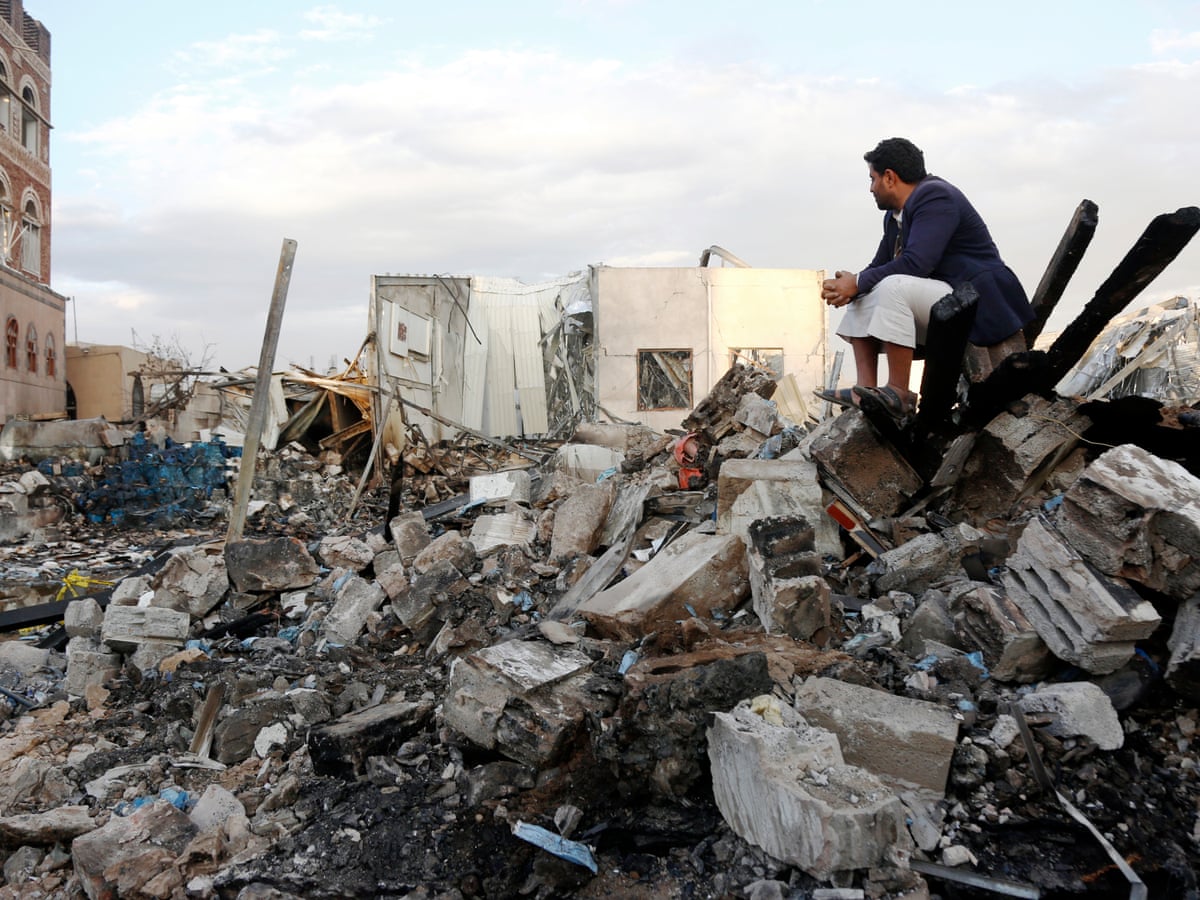
Within Yemen, the human toll has reopened old wounds in a population already exhausted by more than a decade of war, blockade and humanitarian catastrophe. Aid organizations that had begun scaling back emergency operations in recent years amid the relative calm are now warning of renewed displacement in Marib and Hadramout, two provinces that had largely avoided the worst of the fighting since 2022 and have absorbed large numbers of people displaced earlier from Houthi-held areas in the north.
Internationally, the reaction has so far been limited largely to the UN's warnings, with Washington and other Western capitals preoccupied by the parallel and more intense US-Iran war unfolding across the wider Gulf. That relative silence has itself become part of the story, with regional analysts noting that the Houthi escalation risks being treated as a secondary front even as it threatens to unravel one of the only durable ceasefires to have held anywhere in the broader Middle East conflict of the past several years.

What's Next
Grundberg's office says it is engaging 'intensively' with Yemeni parties, regional actors including Saudi Arabia and Oman, and international partners to identify concrete de-escalation steps, though no new round of talks has yet been announced. Much will depend on whether Saudi Arabia opts for the restraint it signaled this week or moves toward more visible retaliation — a step that could rapidly reverse more than four years of relative calm and reopen a war that, in its earlier phase, killed an estimated 150,000 people directly and hundreds of thousands more through the indirect effects of blockade and near-famine conditions.
The trajectory is also likely to be shaped by events far beyond Yemen's borders: the state of the broader US-Israel-Iran war, and whether Tehran calculates that further activating the Houthis serves its interests as it weighs its own negotiating posture with Washington over the Strait of Hormuz and its nuclear and missile programs. For now, the UN's warning stands largely unanswered, and Yemeni civilians in Marib, Hadramout and along the Saudi border are bracing for the possibility that the 'no war, no peace' era that has defined the past four years may be coming to an end.
Published By | News Editor