Written By | Entertainment Desk
Jack and Sharon Osbourne
LOS ANGELES
More than a year after Ozzy Osbourne's farewell concert, his family is describing the decision behind it with new candor. In a podcast appearance, Jack Osbourne said doctors recommended that his father not perform the July 5, 2025 show in Birmingham, England, warning that the strain would be too risky given his heart and artery problems. Ozzy played it anyway.
Newser reported the account on October 24, relaying reporting from the podcast Great Company With Jamie Laing, Page Six, Rolling Stone and Variety. The details below are drawn from that report; I have not independently checked the original interviews.
The warning
Jack told the podcast that doctors advised his then-76-year-old father against the performance. He relayed their words as: "We recommend you don't do this because the energy expenditure." The concern, according to the report, centered on Ozzy's heart and arterial health.
Sharon Osbourne put it more starkly in a Rolling Stone interview. Doctors, she said, "advised us not to do the show. They said it would kill him." She recalled her husband's answer: "I know I'm dying. If I miss a few months of my life, I want to go this way."
The show itself
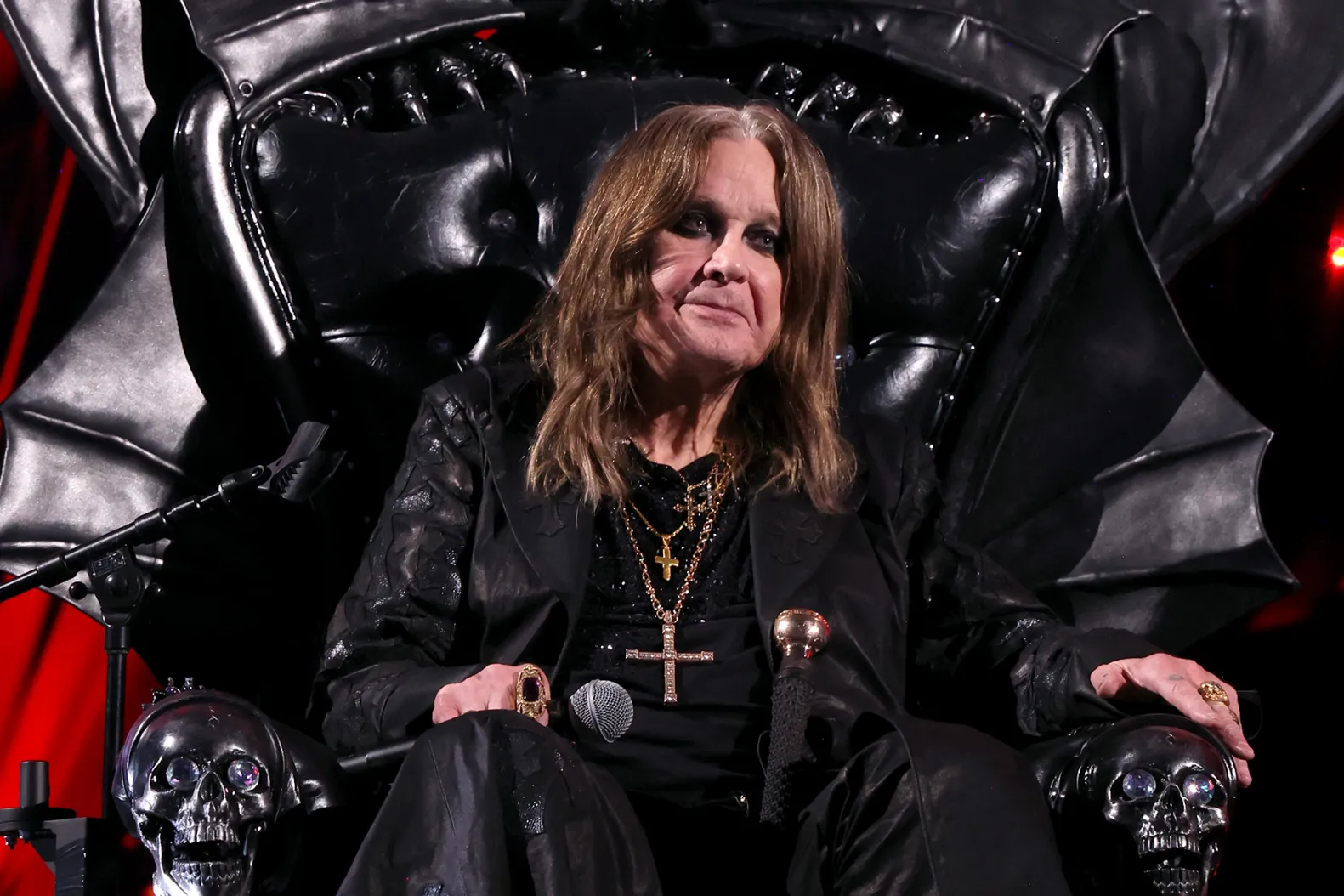
The Birmingham concert was billed as a farewell, staged in the city where Black Sabbath began. Ozzy performed seated on a skull-covered throne. Newser's report quotes him telling the crowd: "You have no idea how I feel. ... Thank you from the bottom of my heart."
He died 17 days later. His death certificate listed cardiac arrest, heart attack, coronary artery disease and Parkinson's disease, per the report.
A family at peace with the choice
What stands out in the family's comments is the absence of regret about the decision, even as grief remains. Jack said he was devastated but not angry about his father's choice, adding: "He went the way he wanted to."
Sharon told Variety that Ozzy "went out like a Viking," a phrase that has already become the headline for the story. She also said that his bandmates and their children did not know how sick he was: "Nobody knew how sick he was." That detail reframes the farewell: to the audience and fellow musicians it was a celebration, while privately the family was weighing medical advice that said the stage itself was dangerous.
Why the story resonates
Farewell tours have become a staple of the music business, and the question of when an aging artist should stop is rarely discussed so openly. The Osbournes are offering a rare insider view of the trade-off between safety and legacy, and notably they present it as the artist's own, informed choice rather than a decision made for him.
The disclosure also lands in a news cycle full of late-career reckonings. Newser's entertainment feed this week has included Dame Judi Dench saying at 91 that worsening vision has ended her acting, and the death of actor Tom Skerritt at 93. Each is a different story, but together they reflect how audiences are thinking about the end of long careers, and about how much control performers keep over their final act.
The cultural footprint
Few rock figures have been as visible to both metal fans and mainstream audiences as Ozzy, whose family-centered reality television, solo catalog and Black Sabbath legacy made him a household name across generations. That broad familiarity helps explain why a podcast remark about doctors' orders travelled quickly across outlets.
It also shows how the Osbourne family continues to tell its own story. Jack and Sharon have both chosen to speak publicly about the final months, in different formats, rather than leaving the narrative to speculation. The consistency of their account, that Ozzy knew the risk and wanted to perform, is likely to shape how the farewell show is remembered.
The medical picture, and its limits
The report's medical details come from the family and from the death certificate as described by Newser: heart and artery issues before the concert, and cardiac arrest, heart attack, coronary artery disease and Parkinson's disease listed afterward. It is worth being careful here. The doctors' warning is relayed secondhand by relatives, and no physician has been quoted publicly in the coverage I reviewed. Nor does the timeline prove that the concert caused his death; the sources simply report that it came 17 days after the show.
What the family is clear about is intent. Sharon's account of Ozzy's reply, that he knew he was dying and wanted to go this way, is presented as a considered choice rather than denial. That distinction matters, because public conversation about older performers often swings between treating them as fragile and treating them as unstoppable.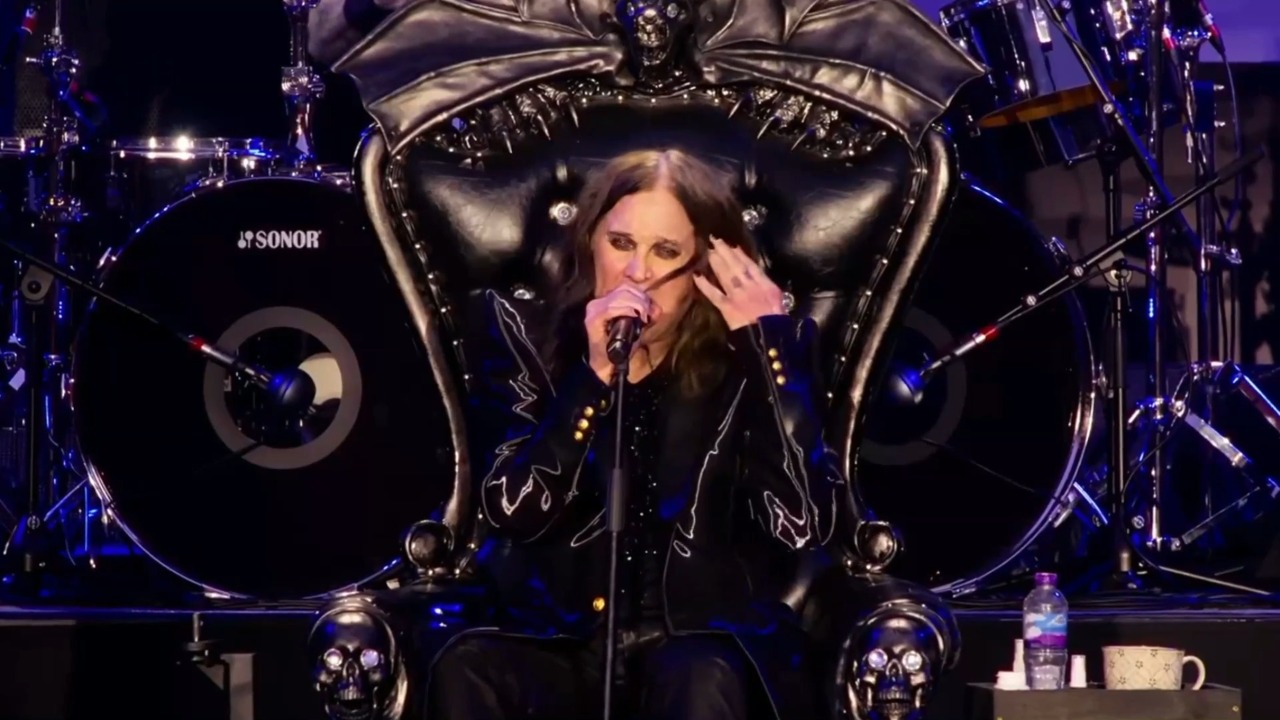
Behind the headline
The latest remarks also add to the picture of how closely the family guarded Ozzy's condition. Sharon's comment that even bandmates and their children did not realize how ill he was suggests the farewell was staged with unusual discretion. For audiences who watched the Birmingham performance as a triumphant goodbye, the revelation does not take away from the music; it simply adds a private layer of cost and courage that was invisible from the seats.
What this means for you
For fans, the revelation changes how the Birmingham footage reads. The seated throne and the grateful speech were not only the signs of a veteran performer slowing down; they were, by the family's account, a deliberate act made against medical advice.
For anyone caring for an older relative with a serious heart condition, the story is also a reminder that these decisions are rarely simple. Doctors' recommendations and a patient's sense of purpose can pull in opposite directions, and families often have to decide, together and ahead of time, what quality of life means. If you are facing such a choice, a conversation with the treating physician about specific risks is the right starting point.
The bottom line
There is no tidy moral here, only a family explaining a decision it has lived with for more than a year. Ozzy Osbourne chose to give one last show to the city that made him. His wife and son say they were warned, and that they respected him enough to let him go.



