Written By |
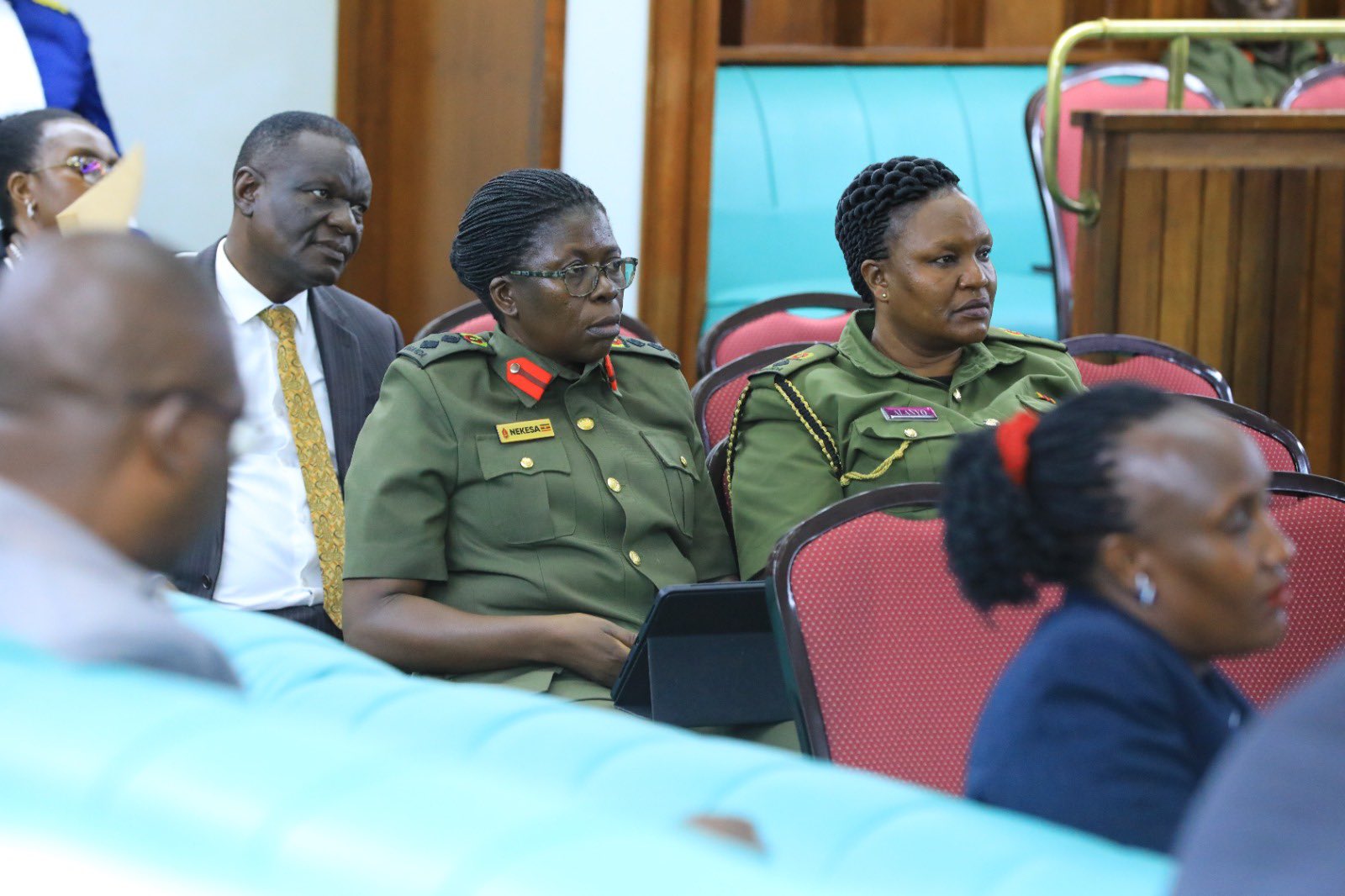
The debate also touched on military uniforms, with Hon. Kabanda arguing that UPDF MPs should attend parliamentary sessions in civilian clothing, just as lawyers do not wear their gowns in the House
Hy Our Reporter
A fierce debate has erupted in Parliament over the proposed amendment of Rule 82, which seeks to define the official dress code for MPs, particularly regarding African wear and military uniforms.
Some MPs argue that African wear should be fully embraced, as Uganda’s Parliament sits in Africa. One MP defended his preference for African attire, emphasizing the need to uphold cultural identity. However, Hon. Aisha Kabanda countered this, stating that African wear is not clearly defined and that some MPs have misused the ambiguity of the current dress code to wear inappropriate clothing.
The discussion also extended to the acceptability of Kaunda suits, with one MP calling for their ban, asserting that MPs should wear formal suits to maintain a professional image and inspire the public. Hon. Ogwang Peter, while acknowledging his ownership of African wear, supported wearing suits in Parliament, suggesting that African attire be reserved for constituency engagements, a practice he noted is already followed by LOP Hon. Joel Ssenyonyi.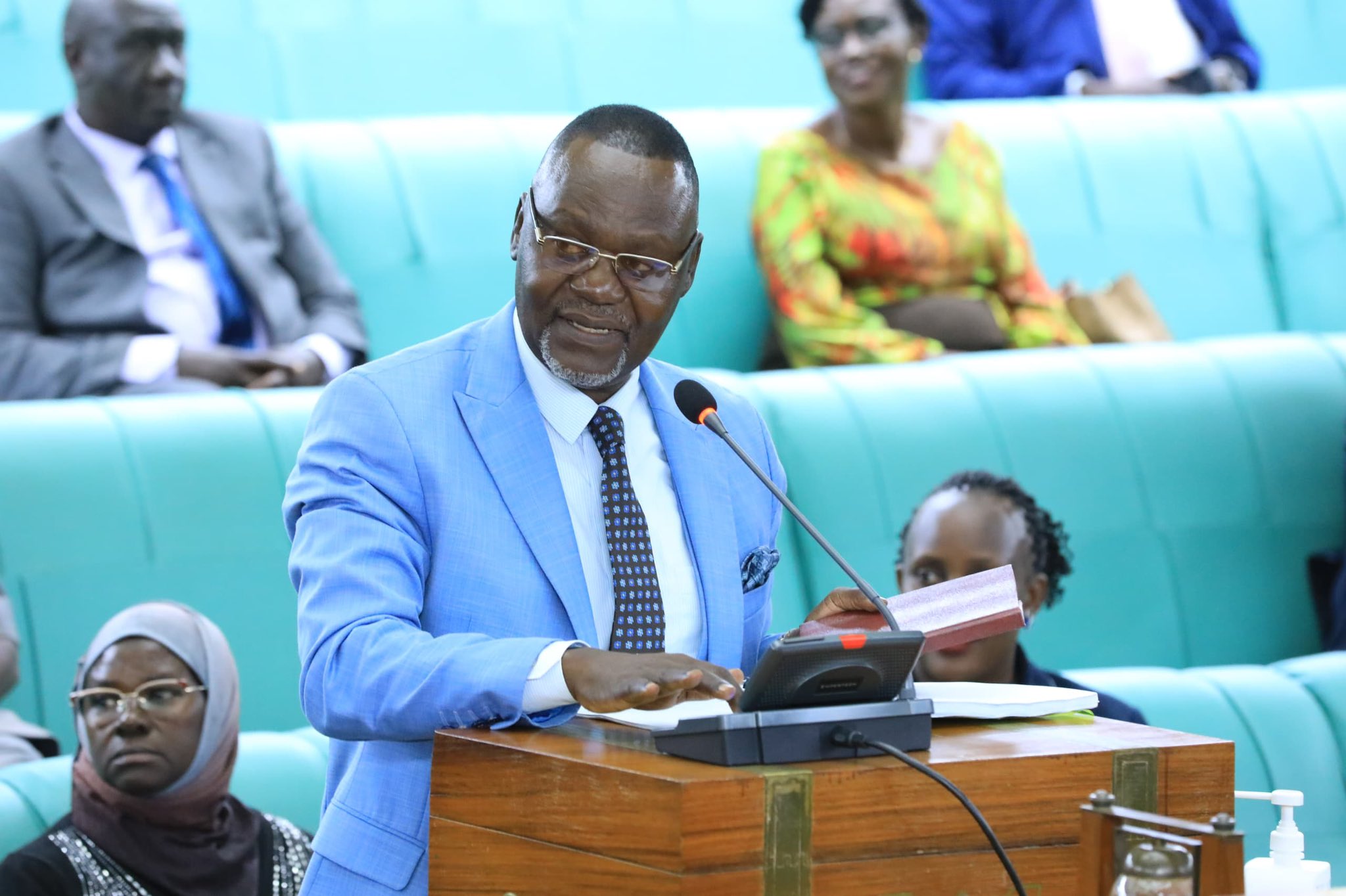
On another front, Hon. Aisha Kabanda pushed for the recognition of hijabs as part of formal attire for women, alongside traditional outfits such as the kanzu and coat for men.
The debate also touched on military uniforms, with Hon. Kabanda arguing that UPDF MPs should attend parliamentary sessions in civilian clothing, just as lawyers do not wear their gowns in the House. However, Hon. Katuntu Abdul clarified that the amendment does not seek to ban UPDF attire entirely but only combat uniforms, allowing UPDF members to wear ceremonial outfits with ranks. He stressed that the amendment does not challenge the presence of the UPDF in Parliament, as that would be unconstitutional.
As the debate continues, the question remains: Should Parliament enforce a strict dress code to uphold professionalism, or should it embrace the diversity of African wear and other traditional attire?
Torch Media Africa



