Written By | BK Mugizi
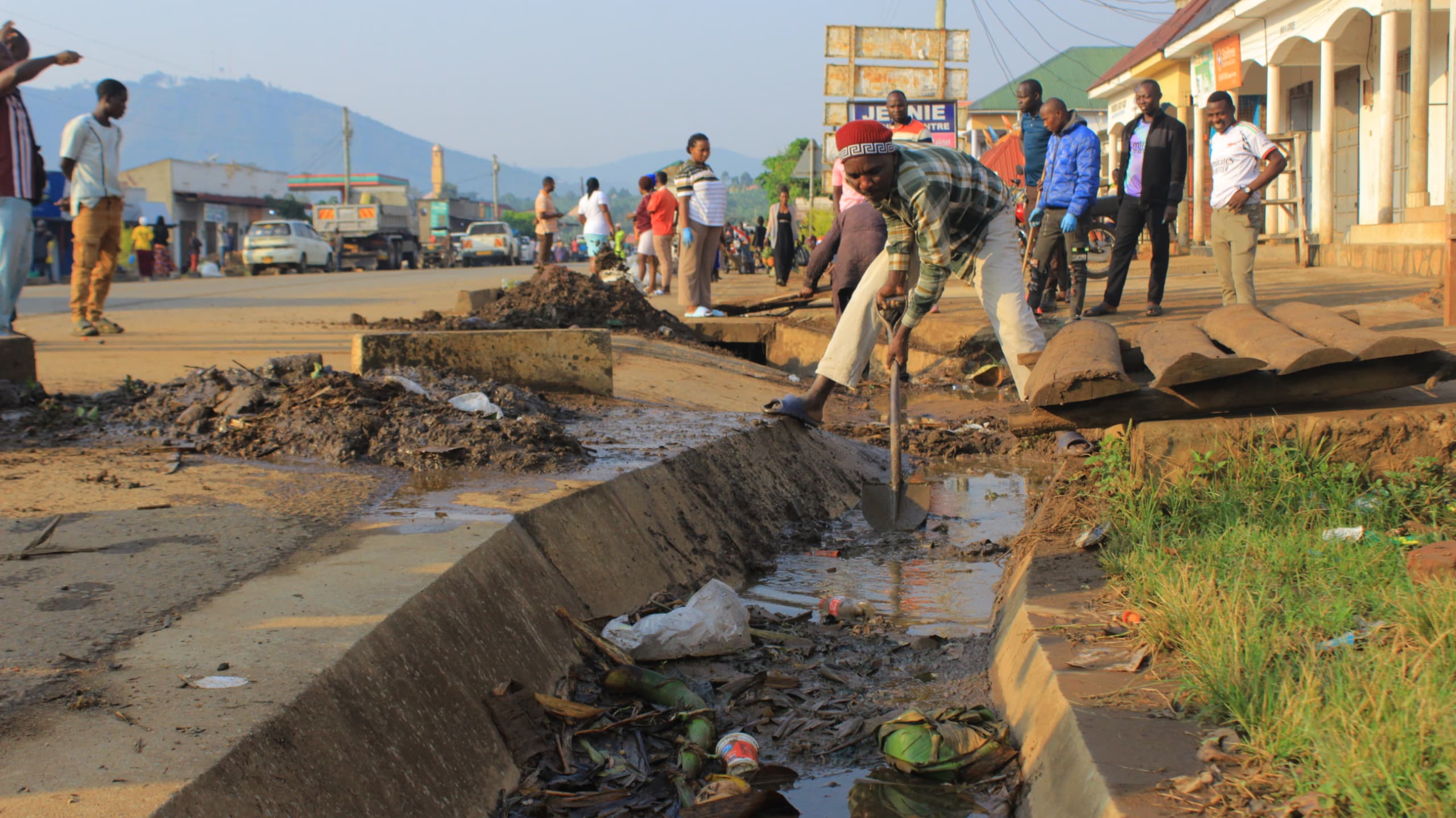
Bushenyi residents particpate in cleaning
BUSHENYI, Uganda
Low public participation during the second edition of the National Cleaning Day in Bushenyi District has prompted local leaders to call for stricter enforcement mechanisms and stronger community mobilization.
The concerns were raised on Saturday as Bushenyi joined the rest of the country in the monthly environmental sanitation exercise, which aims to improve hygiene standards and reduce municipal waste in urban and rural centers.
Andrew Mugabe, the Town Clerk of Central Division in Bushenyi-Ishaka Municipality, expressed disappointment over the poor turnout along several major streets, noting that many residents remained indoors rather than joining the community effort.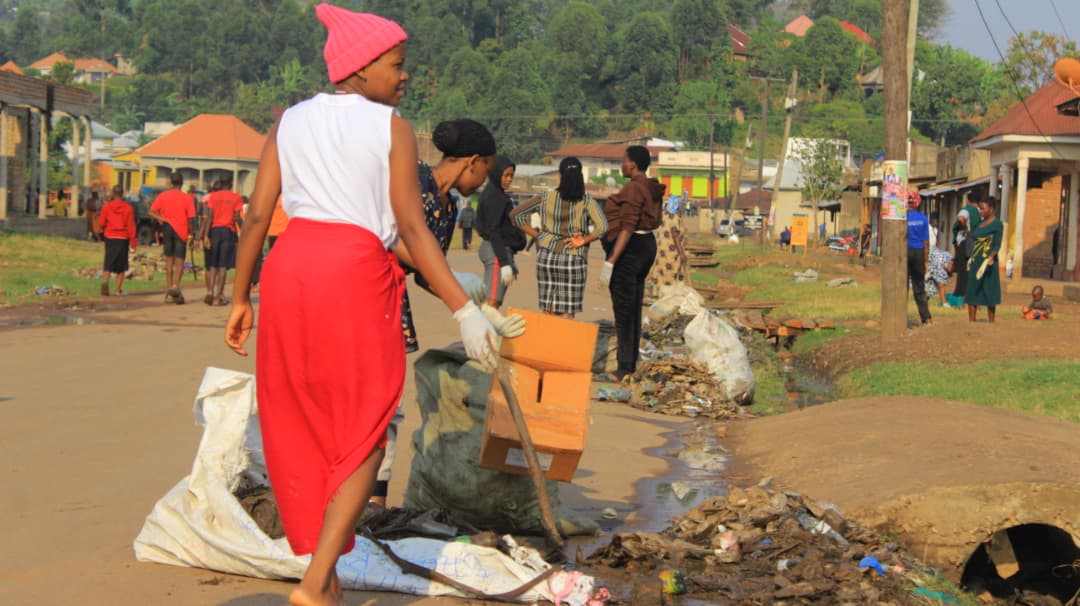
Mugabe advocated for stricter enforcement of public health bylaws and suggested practical mobilization tactics to drive compliance.
"There is an urgent need for serious enforcement so that people actively participate in the cleaning exercise," Mugabe said, proposing the procurement of whistles and public address equipment to alert and gather residents during future exercises.
Bushenyi District LC5 Chairperson, Prosper Twebaze, called upon newly elected local council leaders—particularly LC1 and LC2 chairpersons—to take a leading role in mobilizing their communities.
Twebaze emphasized that improved household and community sanitation is critical to reducing the burden of preventable, hygiene-related diseases. He also dismissed the misconception that sanitation campaigns should be restricted to urban hubs.
"Every community—whether urban or rural—requires a clean and healthy environment to thrive," Twebaze noted.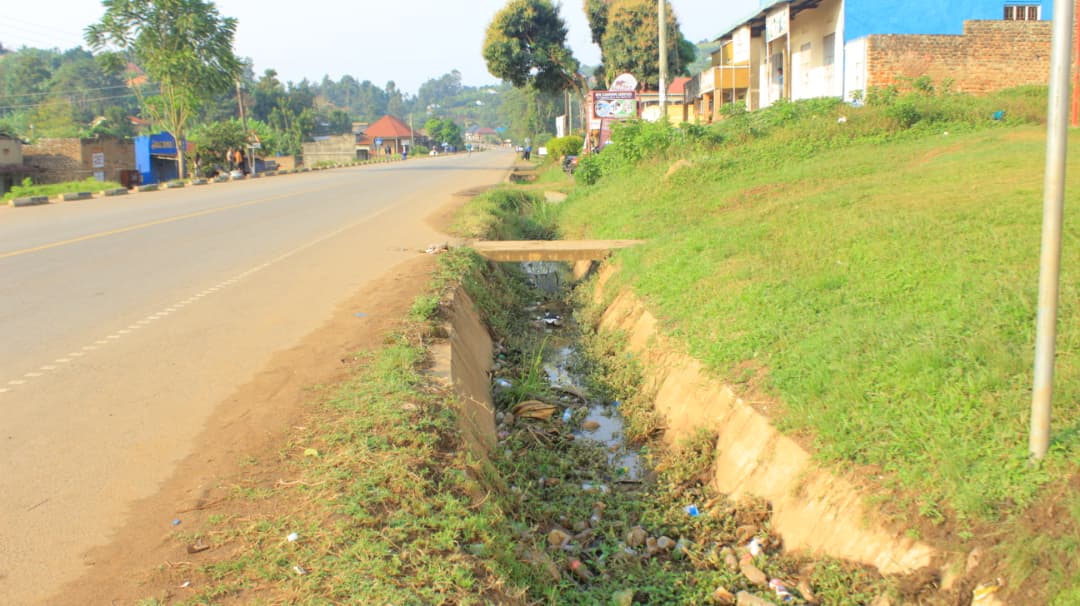
In Bushenyi Town, police officers from the Bushenyi Central Police Station joined local traders and civic leaders to clear refuse along sanitary lanes and along the busy Mbarara–Ishaka Highway.
However, business leaders noted gaps in compliance. Demus Mwetaise, Chairman of the Taxi Drivers' Association on the Ishaka–Kagamba Road, voiced concern over business operators who neglected their premises during the exercise.
"Failure by traders and community members to participate threatens to undermine a national public health initiative designed to benefit everyone," Mwetaise warned.
Mary Mulezi, LC1 Chairperson for Tankhill Cell, attributed the dip in attendance partly to shifting political dynamics following the conclusion of local government elections. She noted that community engagement was higher during the initial launch because political candidates were actively mobilizing voters.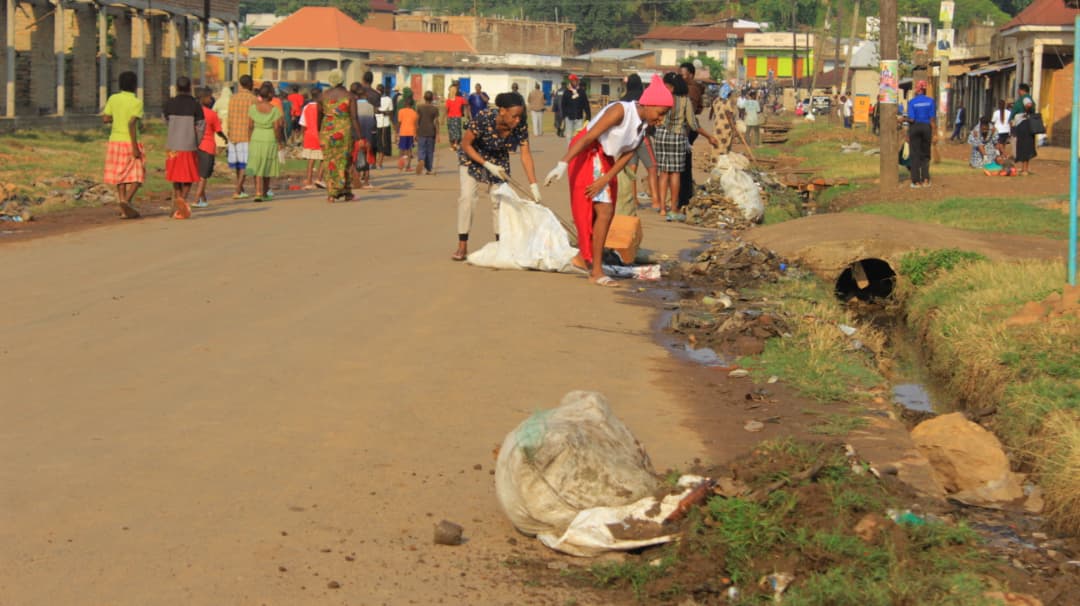
Mulezi also highlighted logistical challenges, appealing to the Ministry of Local Government to supply primary health units and local councils with basic sanitation equipment, including dustbins, heavy-duty gloves, and protective gear.
Echoing her concerns, Twebaze urged the Central Government to support district local governments with modern waste management equipment to streamline garbage sorting, collection, and disposal.
"Uncollected garbage remained a major bottleneck during the inaugural exercise," Twebaze said. "Addressing the logistical gaps in waste transportation is essential if we are to sustain public enthusiasm for National Cleaning Day."



